

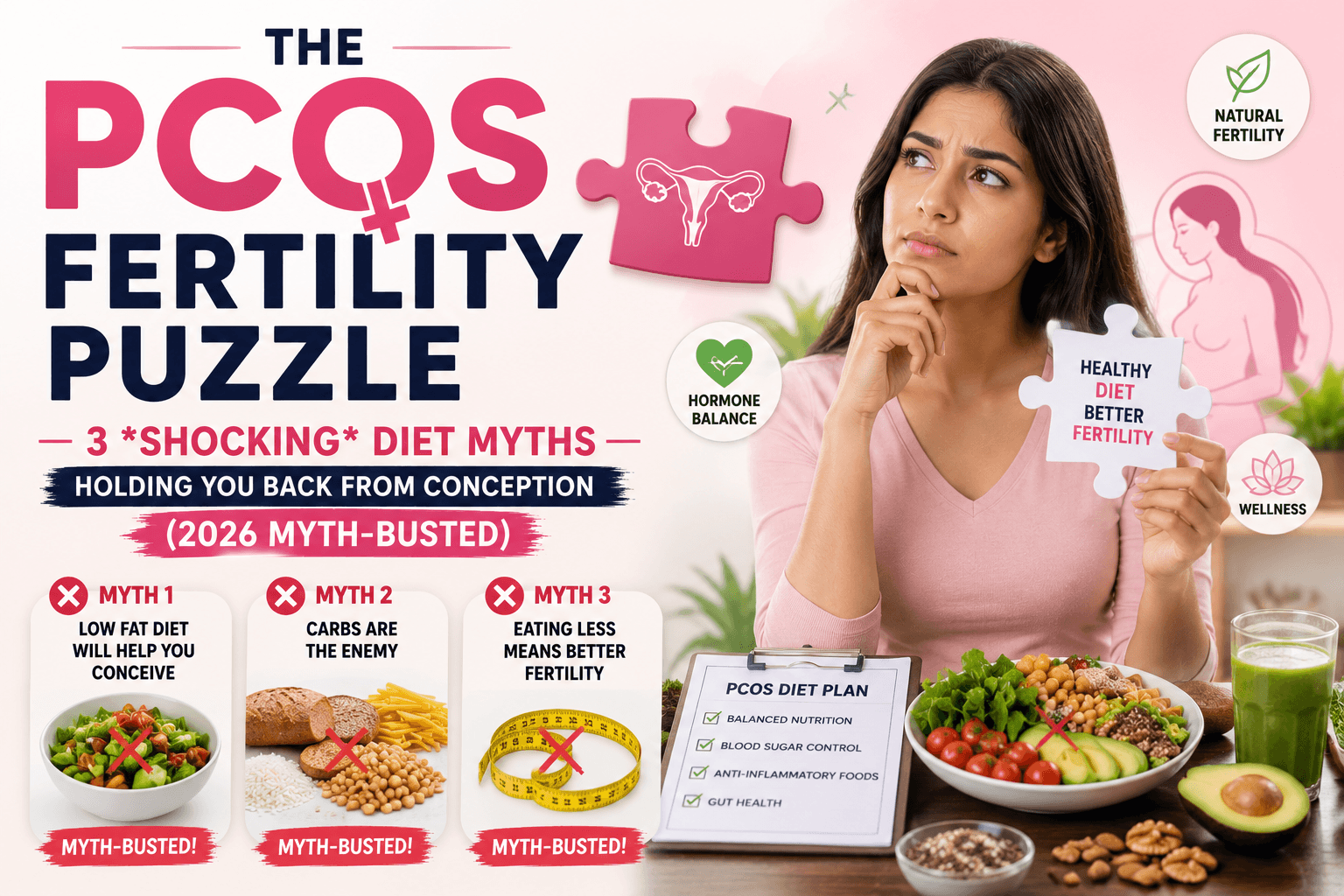
The PCOS Fertility Puzzle: 3 Shocking Diet Myths Holding You Back From Conception (2026 Myth-Buster)
For women navigating the complexities of Polycystic Ovary Syndrome (PCOS) while trying to conceive, the journey can often feel like solving an intricate puzzle. The internet overflows with diet advice, much of it conflicting, leaving many feeling overwhelmed and discouraged. At Sehat Raaz, we understand that finding accurate, evidence-based information is paramount, especially when your fertility dreams are at stake. We systematically analyzed prevailing dietary wisdom and recent scientific literature to uncover three common, yet profoundly misleading, diet myths that could be inadvertently hindering your path to conception. It's time to bust these myths and empower you with knowledge that truly supports your reproductive health.
Understanding PCOS and Its Impact on Fertility
Polycystic Ovary Syndrome is a common endocrine disorder affecting up to 10% of women of reproductive age. It's characterized by a hormonal imbalance that can lead to a range of symptoms, including irregular periods, excess androgen levels (often manifesting as unwanted hair growth or acne), and the development of small cysts on the ovaries. Crucially, PCOS is a leading cause of ovulatory disorders, making conception challenging for many.
The Hormonal Imbalance: A Key Player
At the heart of PCOS-related fertility issues lies a complex interplay of hormones. Many women with PCOS experience insulin resistance, where their bodies struggle to use insulin effectively. This leads to higher insulin levels, which in turn can trigger the ovaries to produce more androgens, or "male hormones." These elevated androgen levels can disrupt the delicate hormonal balance needed for ovulation, preventing eggs from maturing and being released regularly. The result is often irregular or absent periods, making it difficult to predict fertile windows and ultimately to conceive.
Why Diet Matters for PCOS Management
While PCOS is a lifelong condition with no "cure," its symptoms, including those impacting fertility, can be significantly managed through lifestyle interventions, with diet playing a pivotal role. Dietary choices directly influence blood sugar levels, insulin sensitivity, inflammation, and overall hormonal balance, all of which are critical for optimizing reproductive function. A well-chosen diet can help regulate hormones, improve ovulation, and even reduce the risk of miscarriage.
Myth #1: You Just Need to "Eat Clean" to Conceive with PCOS
The term "eating clean" has become a popular but often vague directive in the wellness sphere. For many with PCOS, this advice, while seemingly well-intentioned, falls short because it lacks the specificity required to address the unique metabolic and hormonal challenges of the syndrome. We often hear women express frustration, saying they eat "clean" yet still struggle to conceive. The truth is, "clean" can mean different things to different people, and for PCOS, it's not just about avoiding processed foods; it's about making highly strategic nutritional choices that impact insulin and androgen levels.
The Nuance Beyond "Clean Eating"
Simply avoiding highly processed foods, while beneficial for general health, isn't enough to optimally manage PCOS and enhance fertility. We need to go deeper, focusing on nutrient density, macronutrient balance, and the glycemic impact of foods. For instance, a "clean" diet might include fruit juice, but the high sugar content can still spike insulin, which is counterproductive for PCOS management. Similarly, not all healthy fats are equal, and their composition can significantly impact insulin resistance. Replacing saturated fats with monounsaturated fats from sources like olive oil and avocados can improve insulin sensitivity. Our approach at Sehat Raaz emphasizes understanding the specific needs of your body, rather than adhering to generalized, often unscientific, diet trends. If you're looking for guidance on personalized dietary plans, consider exploring resources on healthy eating plans tailored for women's health needs.
Myth #2: All Carbs Are Bad for PCOS and Fertility
This myth is pervasive and causes immense stress and confusion. Many women with PCOS are told to drastically cut out all carbohydrates, fearing that any carb intake will worsen their condition and prevent pregnancy. While it's true that carbohydrate management is crucial for PCOS, the idea that all carbs are detrimental is a significant oversimplification. In reality, eliminating an entire macronutrient group can lead to nutrient deficiencies and an unsustainable diet, neither of which supports fertility.
Distinguishing Between Good and Bad Carbs
We need to differentiate between complex, high-fiber carbohydrates and refined, simple carbohydrates. Complex carbohydrates, found in whole grains, legumes, fruits, and vegetables, are vital for sustained energy, gut health, and stabilizing blood sugar. They are rich in fiber, which slows glucose absorption and reduces post-meal insulin spikes, thereby improving insulin sensitivity. Conversely, refined carbohydrates like white bread, pastries, and sugary drinks cause rapid spikes in blood sugar and insulin, exacerbating insulin resistance and hormonal imbalances in women with PCOS.
The Glycemic Index and Insulin Resistance
The glycemic index (GI) is a tool that helps us understand how quickly carbohydrate-containing foods raise blood glucose levels. For women with PCOS, particularly those with insulin resistance, prioritizing low-GI carbohydrates is highly beneficial. A meta-analysis published in Examine.com highlighted that low-glycemic index diets improved emotional health, body hair, and fertility, along with markers of glycemic control and insulin resistance in women with PCOS. This approach helps to regulate insulin levels, reduce androgen production, and support more regular ovulation.
Myth #3: Extreme Calorie Restriction is the Fastest Path to PCOS Weight Loss and Pregnancy
The message to "eat less, move more" is often preached as a universal solution for weight loss. However, for women with PCOS, especially when trying to conceive, extreme calorie restriction can be counterproductive and even harmful. We've observed that while modest weight loss (5-10% of body weight) can significantly improve PCOS symptoms and increase the chances of conception, crash diets and very-low-calorie approaches can worsen hormonal imbalances and stress the body, ultimately hindering fertility.
The Dangers of Undereating for Hormonal Health
When you drastically cut calories, your body perceives it as a state of famine and stress. This can lead to increased cortisol (stress hormone) levels and signal to your reproductive system that it's not a safe environment for pregnancy. As a result, ovulation can become irregular or stop altogether, progesterone levels may drop, and overall fertility can decline. We've seen that extreme dieting can exacerbate insulin resistance, cause nutrient deficiencies critical for egg quality, and even lead to hypothalamic amenorrhea, where the body simply shuts down reproductive function.
Sustainable Approaches for Weight Management
Instead of drastic measures, a sustainable and balanced approach to weight management is key for PCOS and fertility. This means focusing on nutrient-dense foods, consistent meal timing, and appropriate portion sizes that support metabolic health without creating undue stress on the body. Even a modest weight reduction can lead to significant improvements in insulin sensitivity, ovulation, and pregnancy rates. According to a report from the National Institute of Child Health and Human Development (NICHD), losing just a small amount of weight can improve PCOS symptoms and reduce the risk of other health issues, including improving how insulin works in the body.
A Balanced Approach: What a PCOS-Friendly Fertility Diet Truly Looks Like
Moving beyond the myths, a truly effective diet for PCOS and fertility is one that addresses insulin resistance, reduces inflammation, and provides essential nutrients for reproductive health. It's not about deprivation, but about intelligent, informed choices. If you're managing other aspects of your wellness, you might find valuable information on nutrition and wellness on our platform.
Prioritizing Nutrient-Dense Whole Foods
We consistently recommend building your diet around whole, unprocessed foods. This includes a wide variety of vegetables, fruits, lean proteins, healthy fats, and complex carbohydrates. These foods provide the vitamins, minerals, and fiber necessary for optimal hormonal function and overall well-being. For example, a doctor-approved meal plan for PCOS emphasizes protein at every meal, low-glycemic carbohydrates, and anti-inflammatory choices.
The Role of Healthy Fats and Proteins
Adequate intake of healthy fats, such as those found in avocados, nuts, seeds, and olive oil, is crucial. These fats improve satiety, help reduce inflammation, and can enhance insulin sensitivity. Similarly, lean proteins from sources like fish, poultry, beans, and tofu are essential for building and repairing tissues, stabilizing blood sugar, and supporting hormone production. Some research even suggests that higher protein intake can help improve insulin resistance in PCOS.
Incorporating Anti-Inflammatory Foods
Chronic low-grade inflammation is often associated with PCOS and can worsen insulin resistance and hormonal imbalances. We encourage the inclusion of anti-inflammatory foods like berries, leafy greens, fatty fish rich in omega-3s, and turmeric. The Mediterranean diet, for example, is highly recommended for its anti-inflammatory properties and its positive impact on fertility outcomes in women with PCOS.
Separating Fact from Fiction: A Quick Comparison
To help solidify your understanding, we’ve created a concise table comparing common diet myths with the evidence-based realities for PCOS and fertility:
| Diet Myth | Evidence-Based Reality for PCOS & Fertility |
|---|---|
| "Eat Clean" is all you need. | A general "clean eating" approach often lacks the specific focus required for PCOS. Targeted dietary interventions, such as low-glycemic, anti-inflammatory, and balanced macronutrient diets, are necessary to address insulin resistance and hormonal imbalances effectively. |
| All carbohydrates are bad. | Not all carbs are created equal. Refined carbohydrates should be limited, but complex, high-fiber carbohydrates with a low glycemic index are crucial for energy, gut health, and stabilizing blood sugar, which is vital for insulin sensitivity and ovulation. |
| Extreme calorie restriction leads to faster pregnancy. | Drastic calorie cuts can stress the body, worsen hormonal imbalances (like cortisol and reproductive hormones), and lead to nutrient deficiencies, hindering ovulation and overall fertility. Modest, sustainable weight loss (5-10%) through balanced nutrition is more effective and safer. |
| Weight loss will "cure" PCOS. | PCOS cannot be cured, but its symptoms, including fertility challenges, can be significantly managed through lifestyle changes like diet and exercise. Weight loss can improve insulin sensitivity and ovulation but doesn't eliminate the underlying condition. |
Empowering Your Fertility Journey with Knowledge and Action
We understand that navigating PCOS and fertility can feel like a solitary journey, but you don't have to walk it alone. By debunking these prevalent diet myths, we aim to provide clarity and actionable insights. Focusing on strategic dietary choices that support your body's unique hormonal landscape is far more effective than following generic or extreme advice. We encourage you to view food as medicine, a powerful tool in managing your PCOS symptoms and enhancing your chances of conception.
Remember, consistency and patience are your allies. Making gradual, sustainable changes to your diet, supported by accurate information, can lead to profound improvements in your reproductive health. For more detailed information on managing hormonal health, including practical tips, please visit our section on understanding hormonal health.
Suggested Articles
 Ayurvedic Tips
Low FODMAP Diet: 7 Smart Swaps & Easy Meal Hacks for IBS Symptom Freedom
Read Article arrow_forward
 Ayurvedic Tips
Best Ayurvedic Drinks for Digestion and Bloating After Meals
Your dadi knew these. Science is slowly catching up. Here are the drinks that actually fix that uncomfortable post-me...
Read Article arrow_forward
Ayurvedic Tips
PCOS Fertility: Unlock Hope with 4 Key Nutritional Pillars
Discover 4 often-overlooked nutritional pillars that can significantly boost your fertility if you're struggling with...
Read Article arrow_forward Healthy Lifestyle
10 Daily Habits That Quietly Damage Your Health
Some of the most damaging habits don't feel dangerous at all. Here are 10 daily routines that quietly harm your healt...
Read Article arrow_forward