

The Gut Rebirth Protocol: 10 Transformative Foods to Cultivate a Thriving Microbiome (2026 Guide)
At Sehat Raaz, we're on a mission to simplify health information and empower you to make smarter, healthier life decisions. In today's fast-paced world, one of the most profound areas influencing our well-being is often overlooked: our gut. It's more than just a digestive organ; it's a bustling ecosystem teeming with trillions of microorganisms collectively known as the gut microbiome. This intricate community plays a pivotal role in nearly every aspect of our health, from digestion and nutrient absorption to immunity and even mood.
For years, we've systematically analyzed emerging research and traditional wisdom to understand how diet impacts this internal universe. We've seen firsthand how a balanced gut microbiome can be the cornerstone of vibrant health, while imbalances can contribute to a myriad of health issues. This 2026 guide introduces our "Gut Rebirth Protocol," a curated approach focusing on 10 transformative foods designed to cultivate a thriving microbiome. We believe that by strategically incorporating these nutrient-dense powerhouses into your daily routine, you can foster a healthier, more resilient gut and unlock a new level of well-being.
Understanding Your Gut Microbiome: The Foundation of Health
Think of your gut microbiome as an internal garden. Just like a garden needs diverse plants and rich soil to flourish, your gut thrives on a wide variety of beneficial bacteria, fungi, and viruses. This complex community is not static; it's constantly evolving, heavily influenced by our diet and lifestyle choices.
The role of this internal ecosystem extends far beyond simply breaking down food. We now understand that a healthy, diverse gut microbiome is crucial for regulating our immune system, producing essential vitamins, and even influencing our mood and cognitive function through the gut-brain axis. When this delicate balance is disrupted, often due to poor diet, stress, or certain medications, it can lead to what's known as dysbiosis. This imbalance can manifest as digestive discomfort, reduced immunity, and even contribute to chronic inflammatory diseases.
The Sehat Raaz Approach to Gut Rebirth: Our Philosophy
At Sehat Raaz, we advocate for a holistic, food-first approach to health. Our Gut Rebirth Protocol isn't about quick fixes or restrictive diets. Instead, it's about nourishing your body with foods that actively support and diversify your gut microbiome. We recognize that every individual is unique, but the foundational principles of gut health remain universal: provide your beneficial microbes with the fuel they need to thrive. This guide provides actionable steps to integrate these powerful foods into your life, fostering a resilient and diverse gut community that supports your overall health goals. We simplify complex nutritional science to help you make informed decisions, transforming your plate into a powerful tool for wellness.
The 10 Transformative Foods for a Thriving Microbiome
We systematically analyzed various food groups known for their profound impact on gut health and selected these 10 items for their accessibility, versatility, and potent prebiotic and probiotic properties. Incorporating these foods regularly can help nurture a diverse and robust microbial community within you.
1. Fermented Foods (Kimchi & Sauerkraut)
These traditional foods are living powerhouses of probiotics, beneficial bacteria that can directly supplement your gut's microbial population. Fermentation involves microorganisms converting carbohydrates into organic acids, enhancing the food's nutritional value and creating new beneficial compounds. Studies show that a diet rich in fermented foods like kimchi, kefir, and sauerkraut can significantly increase gut microbial diversity and reduce markers of inflammation.
How to include: Add a spoonful of raw, unpasteurized kimchi or sauerkraut to your meals daily. They make excellent additions to salads, sandwiches, or as a vibrant side dish.
2. Yogurt & Kefir
Dairy or non-dairy, these fermented products are renowned for their probiotic content, particularly strains like Lactobacillus and Bifidobacterium. These bacteria are vital for healthy digestion and can help prevent the overgrowth of harmful microbes. Kefir, a fermented milk drink, often contains an even wider array of beneficial bacteria and yeasts than yogurt, making it a powerful choice for gut diversification.
How to include: Opt for plain, unsweetened varieties with "live and active cultures" (check the label!). Enjoy them for breakfast with fruit, blend into smoothies, or use as a base for healthy dips.
3. Garlic
More than just a flavor enhancer, garlic is a fantastic source of prebiotics, particularly fructans. Prebiotics are non-digestible fibers that act as food for your beneficial gut bacteria, helping them thrive and produce beneficial short-chain fatty acids (SCFAs). These SCFAs play a crucial role in maintaining the integrity of your gut lining and supporting immune function.
How to include: Incorporate raw or lightly cooked garlic into your cooking. Mince it into salad dressings, stir-fries, soups, and sauces. Even just one clove daily can make a difference.
4. Onions
Like garlic, onions are rich in prebiotics such as inulin and fructooligosaccharides (FOS), which nourish beneficial gut bacteria. They also contain antioxidants that contribute to overall gut health by reducing inflammation. Think of them as a natural fertilizer for your gut garden.
How to include: Enjoy onions raw in salads, on sandwiches, or lightly sautéed in almost any savory dish. Different types of onions (red, white, yellow) offer slightly different nutritional profiles, so vary your intake.
5. Asparagus
This spring vegetable is another excellent source of inulin, a prebiotic fiber that specifically feeds Bifidobacteria and Lactobacillus strains, which are known to support digestive and immune health.
How to include: Steam, roast, grill, or stir-fry asparagus. It pairs well with many proteins and can be a healthy addition to any meal.
6. Green Bananas
While ripe bananas offer potassium and other nutrients, green bananas are particularly valuable for gut health due to their high content of resistant starch. Resistant starch functions as a potent prebiotic, bypassing digestion in the small intestine and fermenting in the large intestine. Here, it feeds beneficial bacteria, leading to the production of butyrate, a key SCFA that fuels colon cells and helps maintain a healthy gut barrier.
How to include: You can eat green bananas raw (they have a firmer texture and less sweetness) or use green banana flour in smoothies or baking. They can also be cooked in savory dishes, similar to plantains.
7. Berries (Blueberries, Raspberries, Strawberries)
These colorful fruits are packed with fiber, antioxidants, and polyphenols, all of which contribute to a healthy gut. The fiber acts as a prebiotic, and the antioxidants help reduce oxidative stress and inflammation in the gut lining. Research suggests that berries can positively influence the composition of gut microbiota and may improve intestinal morphology and reduce gut permeability.
How to include: Enjoy a handful of fresh or frozen berries daily. Add them to yogurt, oatmeal, smoothies, or eat them as a snack. Their natural sweetness means you don't need added sugar.
8. Leafy Green Vegetables (Spinach, Kale, Collard Greens)
These nutrient powerhouses are not just rich in vitamins and minerals; they are also excellent sources of fiber that the gut bacteria love. Certain leafy greens contain a unique sugar molecule called sulfoquinovose (SQ), which specifically fuels beneficial gut bacteria. A diverse intake of leafy greens supports a diverse microbiome, essential for robust digestive and immune function.
How to include: Incorporate a variety of leafy greens into your daily meals. Add spinach to eggs, blend kale into smoothies, or enjoy a side of steamed collard greens. Raw or lightly cooked offers the most benefits.
9. Legumes (Lentils, Chickpeas, Beans)
Legumes are champions of fiber and resistant starch, making them incredible prebiotics for your gut. They provide essential fuel for beneficial bacteria, promoting the production of SCFAs and contributing to regular bowel movements. While some people experience gas or bloating when first introducing legumes, starting with small portions and soaking dried varieties can help improve digestibility.
How to include: Add lentils to soups, make hummus from chickpeas, or incorporate beans into salads, stews, and chili. They are a versatile and affordable way to boost your gut health.
10. Extra Virgin Olive Oil (EVOO)
High-quality extra virgin olive oil is not only a healthy fat but also a potent anti-inflammatory agent. It contains polyphenols and monounsaturated fatty acids that can positively modulate the gut microbiota, increase microbial diversity, and support the integrity of the gut lining. These components help reduce inflammation and protect the gut from damage.
How to include: Use cold-pressed, extra virgin olive oil as a finishing oil for salads, roasted vegetables, or drizzled over soups. Choose a high-phenolic variety for maximum benefit.
Beyond Food: Lifestyle Factors for Gut Health
While food is foundational, we recognize that a truly thriving microbiome is also supported by intelligent lifestyle choices. These factors work synergistically with your diet to create an optimal environment for your gut flora.
- Stress Management: Chronic stress can significantly alter gut microbiota composition, increase intestinal permeability (often called "leaky gut"), and trigger inflammatory responses. We often see that managing stress through practices like meditation, yoga, or even spending time in nature can have a profound positive impact on gut health.
- Quality Sleep: Adequate and restorative sleep is crucial for overall bodily function, including digestive health. Sleep deprivation can negatively impact the gut microbiome and contribute to inflammation.
- Hydration: Water is essential for every bodily process, including digestion. Proper hydration helps maintain regular bowel movements and supports the health of the gut lining.
- Regular Movement: Physical activity can influence gut microbiota diversity and improve gut motility. Even moderate exercise can contribute to a healthier gut.
Comparing Gut-Boosting Strategies: Food vs. Supplements
Many individuals ask us about the role of supplements in gut health. While probiotic and prebiotic supplements can offer benefits, especially in specific circumstances (e.g., after antibiotic use), we generally advocate for obtaining these compounds through whole foods first. Here’s how they compare:
| Feature | Whole Foods (Gut Rebirth Protocol) | Probiotic/Prebiotic Supplements |
|---|---|---|
| Source of Nutrients | Rich in diverse vitamins, minerals, antioxidants, and fiber, in addition to probiotics/prebiotics. | Primarily provides specific strains of bacteria or types of fiber; typically lacks broader nutritional benefits. |
| Microbial Diversity | Offers a wide array of naturally occurring bacterial strains and prebiotics, fostering greater biodiversity. | Usually contains a limited number of specific, often isolated, bacterial strains or types of fiber. |
| Bioavailability & Synergy | Nutrients and microbes are delivered in a complex food matrix, promoting better absorption and synergistic effects. | Absorption can vary; individual components may not offer the same synergistic benefits as whole foods. |
| Cost Effectiveness | Generally more affordable and sustainable for long-term integration into daily diet. | Can be expensive, especially for high-quality, multi-strain formulations. |
| Natural Adaptation | Encourages the gut to naturally adapt and cultivate its own diverse microbial community. | May temporarily introduce beneficial microbes, but long-term colonization and diversification are not guaranteed. |
Crafting Your Personalized Gut Rebirth Protocol
Embarking on your Gut Rebirth journey doesn't have to be daunting. We encourage you to start small, listen to your body, and gradually incorporate these transformative foods. Begin by selecting 2-3 foods from our list that appeal to you and integrate them into your weekly meals. For instance, try adding a tablespoon of kimchi to your lunch, opting for a green banana in your morning smoothie, or swapping your regular snack for a handful of berries. Remember that consistency is key. Over time, as your gut adjusts and flourishes, you may find yourself naturally craving more of these beneficial foods. For more personalized nutritional guidance, consider exploring our healthy eating guide resources.
Monitoring how your body feels – changes in digestion, energy levels, and even mood – can provide valuable insights into what works best for you. This journey is about nurturing a long-term relationship with your gut, recognizing its profound impact on your overall health and vitality. To further support your body's natural defenses, you might also be interested in our articles on boosting your immunity naturally.
Conclusion
The gut microbiome is a dynamic and influential force within us, profoundly impacting our health and well-being. The Sehat Raaz Gut Rebirth Protocol offers a clear, actionable path to cultivating a thriving internal ecosystem through the strategic inclusion of 10 transformative foods. By embracing a diet rich in fermented products, diverse fibers, and healthy fats, alongside mindful lifestyle choices, you empower your body to achieve optimal digestive health, a robust immune system, and enhanced mental clarity. We believe that by understanding and nourishing your gut, you are investing in a healthier, more vibrant future. For further insights into managing stress, which can also affect gut health, please visit our page on effective stress management techniques.
Suggested Articles
 Healthcare News
Why Young Indians Are Facing More Heart Attacks Than Before
Heart attacks in young Indians are rising at an alarming rate. Here's what's causing it, who's most at risk, and the ...
Read Article arrow_forward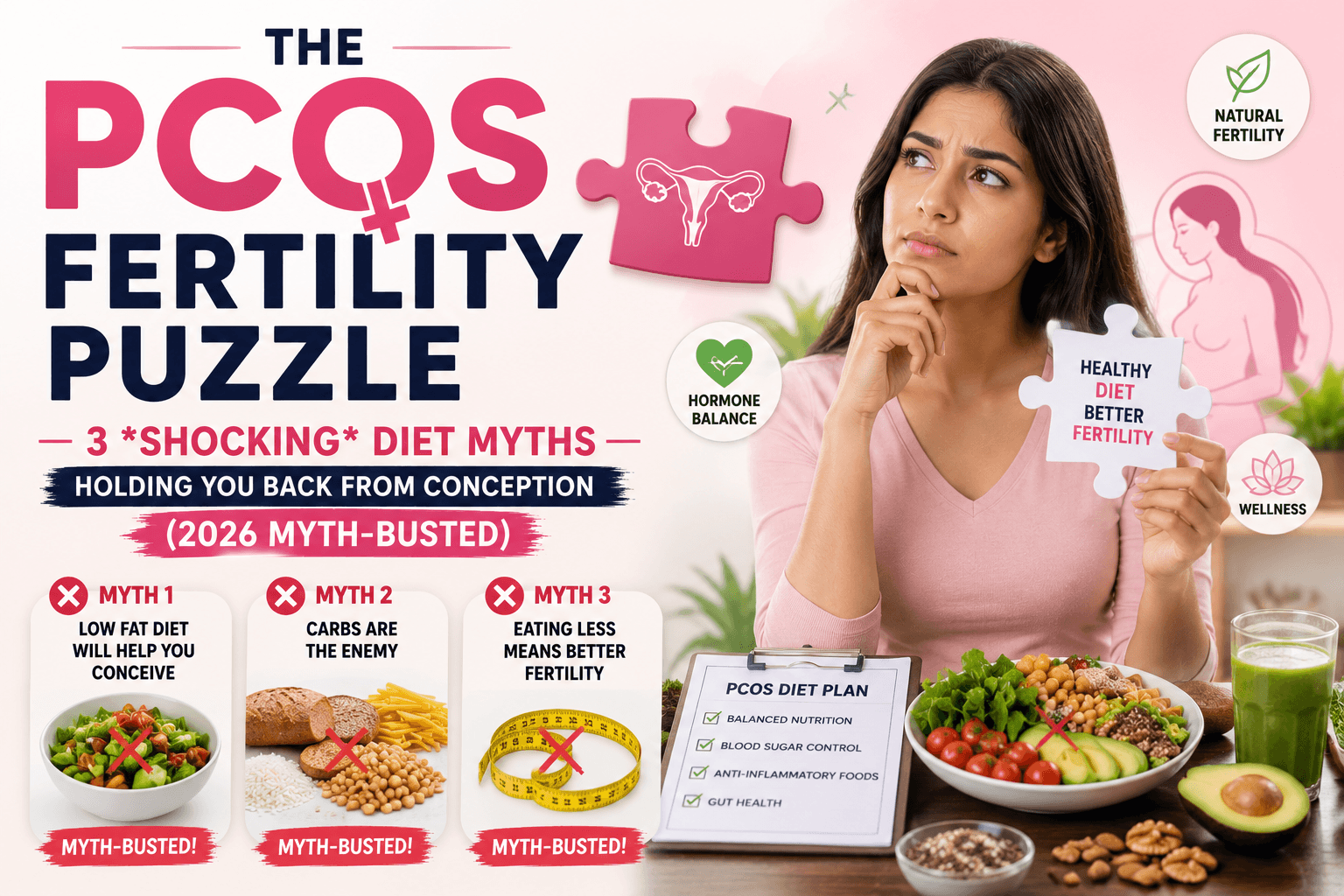 Ayurvedic Tips
The PCOS Fertility Puzzle: 3 *Shocking* Diet Myths Holding You Back From Conception (2026 Myth-Buste
Trying to conceive with PCOS? Learn the truth behind three common diet myths, discover evidence-based nutrition tips,...
Read Article arrow_forward Home Remedies
Best Home Remedies for Cold and Cough That Actually Work
Sneezing, sore throat, blocked nose? These tried-and-tested home remedies for cold and cough use ingredients already ...
Read Article arrow_forward Ayurvedic Tips
7 Critical Cellular Markers for True Anti-Aging (2026 Guide)
Unlock the secrets to true anti-aging by understanding 7 critical cellular health markers. This 2026 guide reveals ho...
Read Article arrow_forward