

7 Critical Cellular Markers You MUST Master for True Anti-Aging (2026 Guide)
If you have ever caught yourself wondering how some people seem to defy aging, radiating vitality well into their golden years, you are not alone. While genetics play a role, we systematically analyzed years of research to uncover a powerful truth: true anti-aging is not just about wrinkle creams or cosmetic procedures. It is about understanding and optimizing the fundamental building blocks of life – your cells. This guide dives deep into the seven critical cellular health markers that, when mastered, can unlock a profound level of vitality and longevity, helping you truly reverse the biological clock from the inside out.
Forget the quick fixes and superficial solutions. We are talking about genuine, scientifically-backed strategies to influence your cellular health at its core. By focusing on these markers, you are not just hoping to live longer; you are aiming to live better, with sustained energy, sharper cognitive function, and robust disease resistance. It is a proactive approach to well-being that empowers you to take control of your health destiny.
What is Cellular Health and Why Does It Matter for Anti-Aging?
Imagine your body as a magnificent city, and each cell as a vital building within it. Just as the city's overall health depends on the integrity and function of its individual buildings, your overall well-being and how gracefully you age depend entirely on the health of your cells. Cellular health refers to the optimal functioning of your body's smallest units – your cells – including their ability to produce energy, repair damage, eliminate waste, and reproduce healthily. When cells struggle, the entire system begins to falter.
Aging, at its most fundamental level, is a process of cellular decline. This decline is not random; it follows predictable patterns influenced by a myriad of factors from our diet and lifestyle to environmental exposures. When cellular processes become inefficient, damaged cells accumulate, vital functions slow down, and the visible and internal signs of aging begin to manifest. From chronic diseases to a lack of energy, the roots often trace back to compromised cellular health. Understanding this connection is the first step toward reclaiming your youthful vitality.
The 7 Critical Cellular Health Markers You Need to Master
To genuinely impact your aging process, we must look beyond the surface. We have identified seven core cellular markers that act as key indicators and drivers of biological aging. Optimizing these markers is the cornerstone of any effective anti-aging strategy.
1. Telomere Length: The Protective Caps of Your DNA
Think of telomeres as the plastic tips on the ends of your shoelaces, protecting them from fraying. In our cells, telomeres are protective caps at the ends of our chromosomes, safeguarding our DNA during cell division. Every time a cell divides, these telomeres naturally shorten. When they become too short, the cell can no longer divide properly, leading to cellular senescence (a topic we will discuss shortly) or apoptosis (programmed cell death).
Why it's Critical: Short telomeres are directly linked to accelerated aging and an increased risk of age-related diseases, including cardiovascular disease, cancer, and neurodegenerative disorders. Maintaining healthy telomere length is a powerful strategy to slow down biological aging.
How to Support It: While some shortening is inevitable, lifestyle plays a huge role. Regular exercise, a diet rich in antioxidants, stress reduction, and adequate sleep have all been shown to help preserve telomere length. Specific nutrients like Vitamin D, Omega-3 fatty acids, and B vitamins may also offer support.
2. Mitochondrial Function: Your Cell's Powerhouses
Mitochondria are often called the "powerhouses" of the cell, and for good reason. They are responsible for generating almost all of the energy your body needs to function, converting nutrients into adenosine triphosphate (ATP). When mitochondrial function declines, energy production plummets, leading to fatigue, cognitive decline, and a host of age-related problems.
Why it's Critical: Impaired mitochondrial function is a hallmark of aging and contributes significantly to conditions like metabolic syndrome, neurodegenerative diseases, and muscle weakness. Efficient mitochondria are vital for sustaining cellular processes, from DNA repair to immune response.
How to Support It: Engaging in regular physical activity, especially high-intensity interval training (HIIT), can stimulate mitochondrial biogenesis (the growth of new mitochondria). A diet rich in micronutrients, antioxidants, and healthy fats is also crucial. Compounds like CoQ10, PQQ, and L-carnitine are studied for their roles in mitochondrial health.
3. Cellular Senescence: The "Zombie" Cells
Cellular senescence refers to a state where cells stop dividing but do not die. Instead, they linger, secreting pro-inflammatory compounds that damage surrounding healthy cells and tissues. These are often dubbed "zombie cells" because they contribute to aging and disease without performing their intended function. The accumulation of senescent cells is a major contributor to age-related decline.
Why it's Critical: Senescent cells are implicated in osteoarthritis, cardiovascular disease, fibrosis, and even cancer. Clearing these dysfunctional cells is a major focus of anti-aging research.
How to Support It: Certain compounds known as "senolytics" are being explored for their ability to selectively kill senescent cells. These include natural compounds like quercetin, fisetin, and curcumin. Lifestyle factors, such as a healthy diet and regular exercise, also play a role in preventing their accumulation.
4. Autophagy: Your Cell's Recycling Program
Autophagy, meaning "self-eating," is your cell's incredible self-cleaning and recycling process. It involves the orderly degradation and recycling of damaged cellular components, misfolded proteins, and defunct organelles. This process is essential for cellular renewal, maintaining cellular health, and preventing the accumulation of waste products that contribute to aging.
Why it's Critical: A decline in autophagy is directly linked to the accumulation of cellular debris, leading to neurodegenerative diseases (like Alzheimer's and Parkinson's), metabolic disorders, and accelerated aging. Boosting autophagy is a key strategy for cellular rejuvenation.
How to Support It: Intermittent fasting and caloric restriction are powerful activators of autophagy. Exercise, especially endurance training, also plays a role. Certain dietary compounds like resveratrol, curcumin, and green tea catechins are also being studied for their autophagy-boosting properties.
5. DNA Repair Mechanisms: Keeping Your Genetic Blueprint Intact
Every day, your DNA is subjected to thousands of damaging events from environmental toxins, UV radiation, and even normal metabolic processes. Fortunately, your cells possess sophisticated DNA repair mechanisms that constantly work to fix these errors. The efficiency of these repair systems is paramount for preventing mutations, maintaining genomic stability, and avoiding diseases like cancer.
Why it's Critical: As we age, the efficiency of DNA repair declines, leading to an accumulation of DNA damage. This damage contributes to cellular dysfunction, increased risk of cancer, and overall accelerated aging.
How to Support It: Minimizing exposure to DNA-damaging agents (like excessive sun exposure and smoking) is crucial. A diet rich in antioxidants, vitamins, and minerals (especially zinc and magnesium) supports DNA integrity. Compounds like NAD+ precursors (NMN, NR) are gaining attention for their role in DNA repair pathways.
6. Glycation (Advanced Glycation End Products - AGEs): The Sugary Scourge
Glycation is a process where sugars in your bloodstream attach to proteins or lipids without the involvement of enzymes, forming harmful compounds called Advanced Glycation End Products (AGEs). These AGEs can stiffen tissues, contribute to inflammation, and damage various organs, accelerating the aging process and contributing to diseases like diabetes, cardiovascular disease, and cataracts.
Why it's Critical: High levels of AGEs are a significant driver of chronic inflammation and oxidative stress, two major contributors to age-related diseases. They compromise the function of proteins throughout the body, from collagen in your skin to enzymes in your organs.
How to Support It: Reducing dietary intake of refined sugars and highly processed foods is the most effective strategy. Cooking methods like boiling and steaming produce fewer AGEs than high-heat methods like frying or grilling. Antioxidants and certain vitamins (like B6) may also help mitigate AGE formation.
7. Stem Cell Activity: Your Body's Internal Repair Crew
Stem cells are your body's master cells, capable of self-renewal and differentiating into various specialized cell types to repair and replace damaged tissues. From repairing muscles to regenerating skin, stem cells are vital for maintaining tissue homeostasis and overall organ function. A decline in stem cell number and activity is a key factor in the aging process, limiting the body's ability to heal and regenerate.
Why it's Critical: Reduced stem cell activity means a decreased capacity for tissue repair and regeneration, leading to slower wound healing, muscle loss, and organ decline. Enhancing stem cell function is central to regenerative medicine and anti-aging.
How to Support It: Regular exercise, particularly resistance training, has been shown to boost stem cell activity. Certain nutrients and compounds, like anthocyanins (found in berries) and curcumin, are being investigated for their potential to support stem cell health. A balanced diet and maintaining a healthy weight also play a role.
Strategies to Master These Markers for True Longevity
Understanding these markers is the first step; implementing strategies to optimize them is where the real anti-aging work begins. We have found that a holistic approach, addressing diet, exercise, stress, and sleep, yields the most profound results.
Nourishing Your Cells: The Power of Diet
Your diet is perhaps the most direct way to influence your cellular health. Focus on nutrient-dense, whole foods that support all seven markers:
- Antioxidant-Rich Foods: Berries, leafy greens, colorful vegetables. These combat oxidative stress, protecting DNA and mitochondria.
- Healthy Fats: Avocados, nuts, seeds, olive oil, fatty fish. Essential for cell membrane integrity and reducing inflammation.
- Lean Proteins: Support cellular repair and muscle maintenance. If you are exploring plant-based options, we have compiled a guide on Top High-Protein Vegetarian Foods in India (Without Supplements).
- Fiber: Found in whole grains, fruits, and vegetables, fiber supports gut health, which in turn influences systemic inflammation and nutrient absorption crucial for cellular function. Indeed, the connection between your gut and overall health is so profound that optimizing your Heal Your Gut: 11 Essential Foods to Restore Microbiome Balance & Thrive is a critical step towards cellular vitality.
- Limit Processed Foods and Sugar: These are major contributors to inflammation, oxidative stress, and AGE formation, actively working against your cellular health.
Movement is Medicine: Exercise and Cellular Vigor
Physical activity is a
Suggested Articles
 Diet Plans
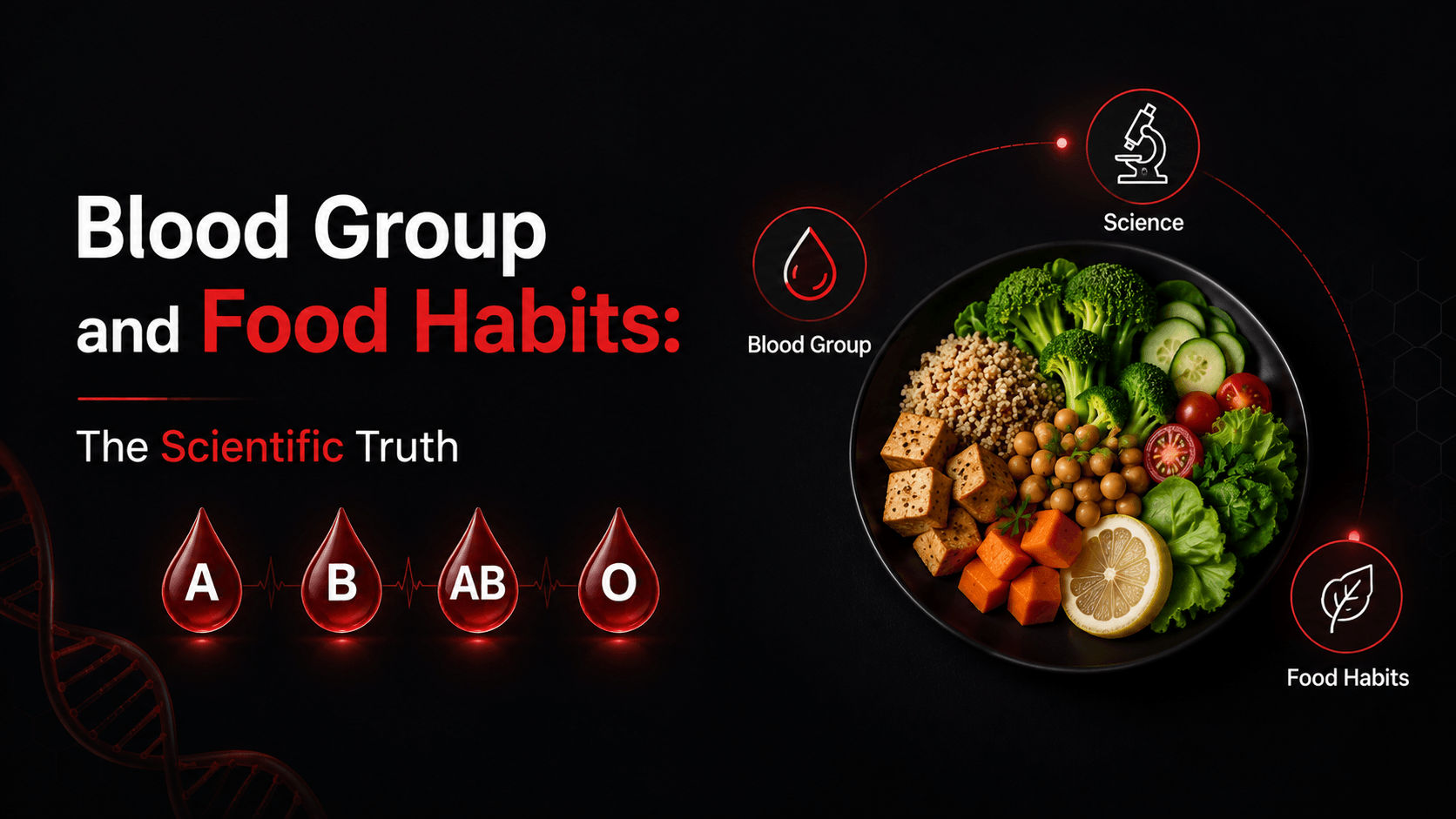
Blood Group and Food Habits: The Scientific Truth
Explore the scientific truth behind blood group and food habits. Learn what research actually says about blood type d...
Read Article arrow_forward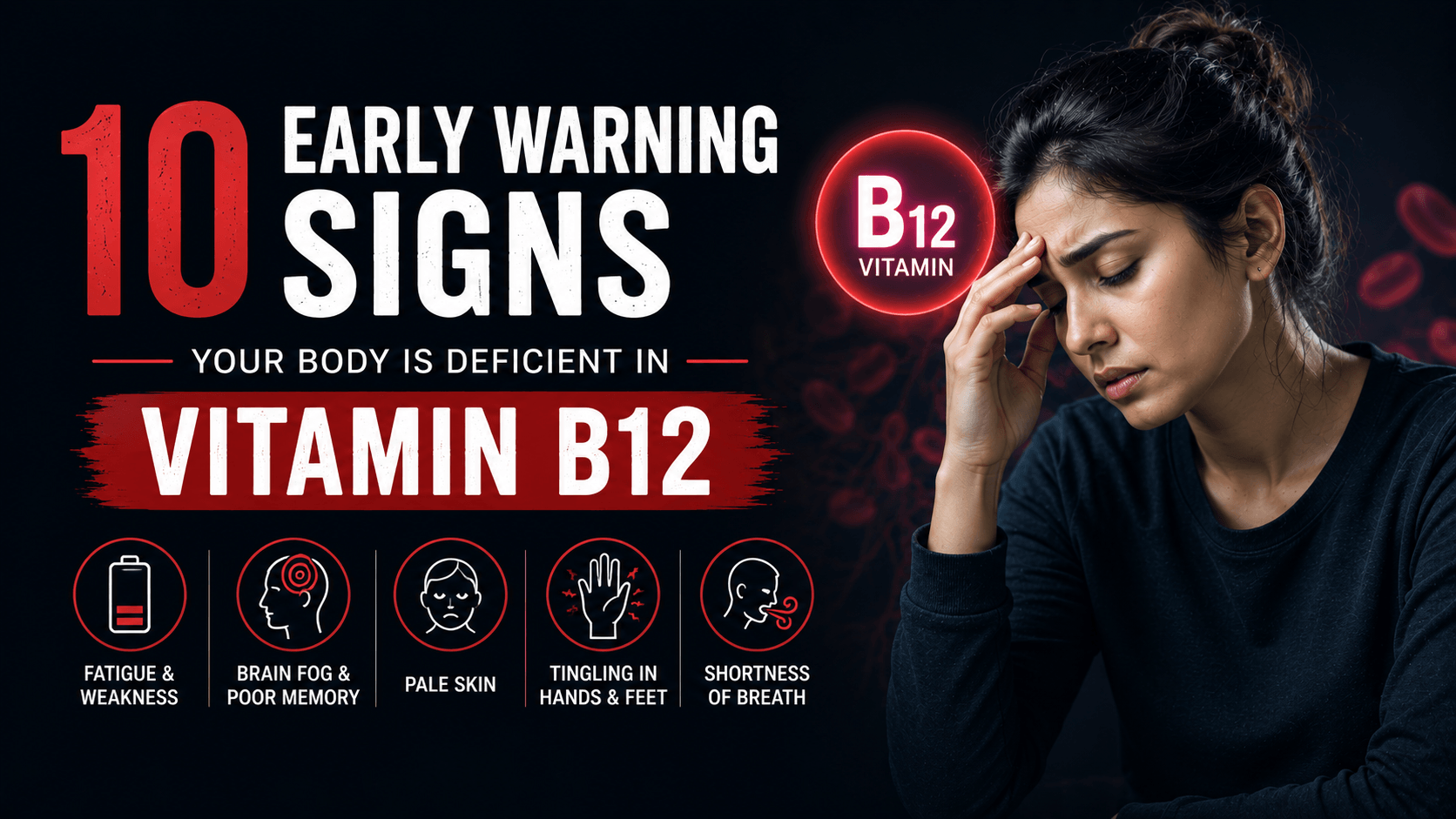 Nutrition
10 Early Warning Signs Your Body Is Deficient in Vitamin B12
Discover the early warning signs of vitamin B12 deficiency, including fatigue, brain fog, and tingling hands, plus ho...
Read Article arrow_forward Ayurvedic Tips
PCOS Fertility: Your 30-Day Diet & Lifestyle Challenge
Unlock your natural conception potential with our 30-day PCOS fertility challenge. Discover effective diet & lifestyl...
Read Article arrow_forward Healthcare News
How Blood Donation Affects Your Body: Short-Term & Long-Term
Donating blood does more than save lives it changes your own body too. Discover the short-term side effects, recovery...
Read Article arrow_forward