How Blood Donation Affects Your Body: Short-Term and Long-Term Effects Explained
Think about the last time you saw a blood donation camp at a mall, hospital, or office. You probably smiled and walked past. Most of us do. But what if giving just 450 ml of your blood could do more than save three lives what if it quietly changed your own body too?
People ask this question all the time. What really happens inside after you roll up your sleeve? Is it safe? Will you feel tired for days? And does donating regularly actually make you healthier?
This article answers all of that plainly, honestly, and backed by research.
3 Lives saved per single donation
450 ml - Average blood taken (about 1 pint)
24 hrs - For plasma to replenish
56 days - Minimum gap between whole blood donations
What Happens the Moment You Donate
The average adult body holds around 10 pints of blood. When you donate, roughly 1 pint is drawn out. That sounds like a lot but your body handles it surprisingly well.
Within minutes, your cardiovascular system adjusts. Your heart rate may tick up slightly to compensate for the reduced volume. Some people feel a little lightheaded for a few minutes this is completely normal and almost always passes after you rest, eat a snack, and drink some water.
Here is something interesting: in the short term, donating blood can actually reduce your blood pressure simply because there is temporarily less blood in circulation. One study even suggests regular blood donation can contribute to long-term reduced hypertension.
Short-Term Effects of Blood Donation
The first 24 to 72 hours after donating are the most noticeable for your body. Most side effects are mild and short-lived. Here is what you can expect:
Common (and Normal) Side Effects
-
Mild fatigue or tiredness your body is regenerating red blood cells
-
Lightheadedness or dizziness, especially if you stood up too quickly
-
Minor bruising or soreness at the needle site
-
Slight drop in energy if you had a strenuous workout the same day
-
Minor nausea in some first-time donors
These effects are temporary. Donating centers recommend avoiding heavy exercise for the rest of the day and staying well-hydrated. A glass of juice and a biscuit after donation go a long way.
Note: If you feel persistent dizziness, chest pain, or unusual weakness after donating, sit or lie down immediately and inform the staff. These are rare but worth mentioning.
Blood Volume Recovery Timeline
24h - Plasma is restored
Your body replenishes fluid volume within 24 hours. This is why they give you juice right after it helps kick-start that process.
3–4 wks - Red blood cells rebuild
Bone marrow ramps up production. Your red cell count fully recovers in about 3 to 4 weeks for most healthy adults.
56 days - Iron stores normalize
Iron takes the longest to replenish since red blood cells carry haemoglobin, which needs iron. This is why you can only donate whole blood every 56 days.
You can learn more about how blood groups, types, and compatibility work something relevant to both donors and recipients planning for emergencies.
Long-Term Effects of Donating Blood Regularly
Here is where it gets genuinely surprising. Regular blood donation does not just help others — it may actually benefit the donor in meaningful ways. Research is still ongoing, but the findings so far are worth knowing.
1. Healthier Iron Levels
Iron overload is a real but underdiagnosed condition. When iron accumulates in organs like the liver and heart, it can cause damage over time. Regular donation helps keep iron stores in check. For people with hereditary hemochromatosis (too much iron in the blood), therapeutic phlebotomy basically controlled blood removal is actually the standard treatment.
Even for people without that condition, moderately lower iron levels may reduce oxidative stress, which is linked to aging and chronic disease.
2. Reduced Risk of Heart Disease
Some research links regular donation to better cardiovascular health. Donating blood can reduce blood viscosity in simpler terms, it makes the blood less thick. Thinner blood flows more easily, putting less strain on the heart and arteries. Some studies suggest this may reduce the risk of heart attack, particularly in middle-aged men.
That said, the evidence is mixed. A 2017 study found associations with unfavorable cholesterol changes in some donors. The honest answer is: the science is interesting but not yet conclusive. What is clear is that donation does not harm your heart.
"Donating blood reduces blood viscosity making it easier for your heart to pump blood around the body, which may lower cardiovascular risk."
3. A Natural Health Screening For Free
Every time you donate, you get a mini health checkup at no cost. Blood banks measure your blood pressure, haemoglobin, pulse, and body temperature. Your blood is also screened for infectious diseases like HIV, hepatitis B, hepatitis C, syphilis, and malaria.
This is one of the most overlooked benefits. Many donors have discovered early signs of anaemia or high blood pressure through routine donation screenings conditions they would otherwise not have known about. Think of it as a quarterly health check built into a life-saving act.
4. Possibly Lower Risk of Certain Cancers
This is the newest and most exciting area of research. Scientists at the Francis Crick Institute in the UK found that regularly donating blood encourages the body to produce fresh blood cells constantly. This natural renewal process may contribute to healthier, more resilient blood cells over time.
Specifically, the research showed that regular donation may reduce pre-leukemic mutations small genetic changes in stem cells that can, over many years, increase cancer risk. The study was modest in size and researchers were careful not to overstate the finding, but it adds to a growing picture that blood donation might be doing more good than we thought.
5. Mental Health Benefits Are Real Too
Altruism has measurable effects on psychological wellbeing. Studies show that helping others through acts like blood donation can lower cortisol (the stress hormone) and improve mood. Donors often describe a strong sense of purpose and community connection.
That feeling after you donate where you just feel quietly good about yourself that is not imagination. It is your nervous system responding to a genuinely meaningful act.
Short-Term vs Long-Term Effects at a Glance
|
Effect |
Short-Term (0–7 days) |
Long-Term (Regular Donors) |
|
Blood pressure |
Temporarily reduced |
May contribute to lower hypertension risk |
|
Iron levels |
Slightly reduced |
Kept in a healthy, controlled range |
|
Energy levels |
Mild fatigue for 24–48 hrs |
Normal; body adapts to cycles |
|
Red blood cells |
Temporarily fewer |
Regular turnover encourages fresher cells |
|
Heart health |
No notable change |
Possible reduced risk (lower blood viscosity) |
|
Cancer risk |
No change |
Possible reduction in pre-leukemic mutations |
|
Mental wellbeing |
Immediate mood lift from altruism |
Sustained sense of purpose and community |
|
Health screening |
Free mini-checkup every visit |
Ongoing monitoring of key health markers |
Who Should Not Donate Blood
Blood donation is safe for most healthy adults but not everyone. You should not donate if you:
-
Weigh less than 50 kg (110 lbs)
-
Have a haemoglobin level below the required threshold (usually 12.5 g/dL for women, 13 g/dL for men)
-
Have active infections, fever, or cold symptoms on the day of donation
-
Are pregnant or have recently given birth
-
Have certain chronic conditions or take specific medications
-
Have recently received a tattoo or piercing (usually a 6-month wait is required)
The donation centre staff will go through a detailed questionnaire and check your vitals before allowing you to donate. The process is designed to protect both the donor and the recipient.
Blood Group Matters for Donation Too
Not all blood is interchangeable. Certain blood types are in higher demand than others. Understanding which blood group can donate to all and receive from all can help you understand just how valuable your specific blood type might be in an emergency. O-negative, for example, is the universal donor type always in short supply.
How to Prepare for Donation and Recover Well
Before You Go
-
Eat a proper meal at least 2–3 hours before donating avoid fatty foods which can affect blood tests
-
Drink extra water or juice the day before and the morning of donation
-
Get a full night of sleep
-
Avoid alcohol for at least 24 hours before donating
-
Wear comfortable, loose-fitting clothing with easily rolled-up sleeves
After You Donate
-
Sit or lie down for 10–15 minutes before leaving the centre
-
Drink juice, water, or a sports drink immediately after
-
Eat the snack offered biscuits, juice, or fruit
-
Avoid strenuous physical activity for the rest of the day
-
Eat iron-rich foods over the next few days lentils, spinach, meat, fortified cereals
-
If bruising occurs, apply a cool compress to the arm
Iron-rich foods are especially important if you donate regularly. It is also worth knowing how your blood group may affect your dietary needs check out this guide on blood group diet charts for tailored nutritional guidance.
The Bottom Line
Donating blood is one of the most efficient ways a healthy person can contribute to public health. One donation, a process that takes under an hour, can save up to three lives. And based on growing evidence, it may quietly benefit your own health too — from keeping iron levels in check to potentially lowering your risk of certain diseases.
The short-term effects are minor and temporary. The long-term picture looks genuinely positive for regular donors. And every single time you go, you leave with a free health check, a snack, and the quiet knowledge that someone somewhere needed exactly what you gave.
If you have never donated, this is a good time to find your nearest blood bank. If you donate regularly already, keep going. Your body and several others will thank you for it.
Ready to Donate? Here's How to Get Started
Find your nearest blood donation camp or blood bank in India. Most major hospitals and NGOs like the Indian Red Cross Society run regular camps.
Suggested Articles
 Healthcare News
Blood Groups Explained: Types, Compatibility, Diet, Health & Myths (2026 Guide)
Discover blood group types, compatibility, health risks, diet myths, pregnancy concerns, and blood donation facts in ...
Read Article arrow_forward Ayurvedic Tips
Ayurvedic Tips
Ayurvedic Tips
Reclaim Your Rest: 7 Ancient Ayurvedic Practices for Deep Sleep
Struggling to sleep? Discover 7 ancient Ayurvedic practices to help you achieve deep, serene sleep tonight. Improve y...
Read Article arrow_forward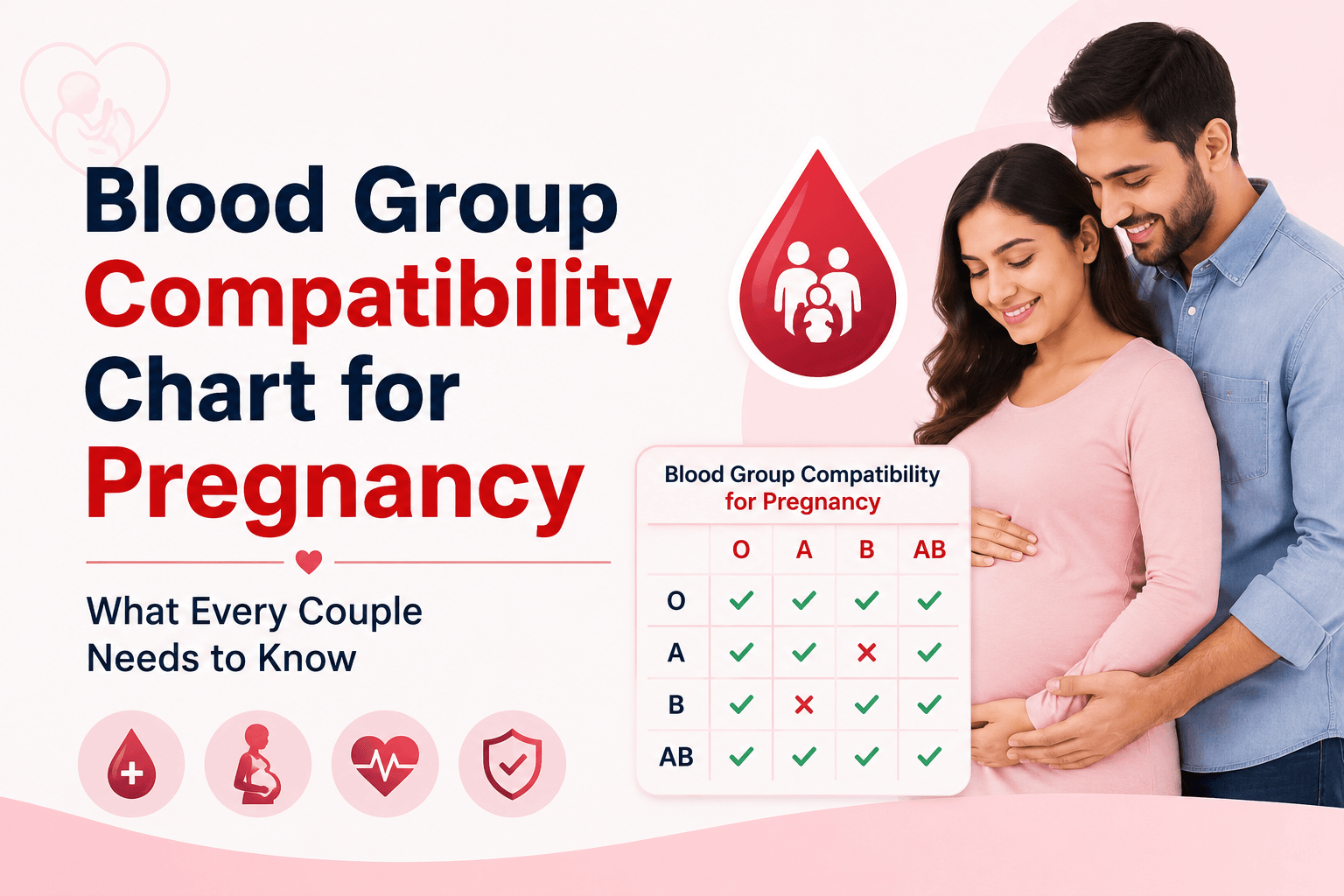 Women’s Health
Blood Group Compatibility Chart for Pregnancy - What Every Couple Needs to Know
Worried about blood group compatibility in pregnancy? Learn about Rh factor risks, ABO matching, and what every coupl...
Read Article arrow_forward