

PCOS Fertility: Avoid These 3 Diet & Lifestyle Mistakes
If you're navigating the complexities of Polycystic Ovary Syndrome (PCOS) and dreaming of starting a family, you're not alone. We understand the journey can feel overwhelming, filled with conflicting advice and frustrating setbacks. PCOS, a common hormonal disorder affecting millions of women globally, can significantly impact fertility, often making conception more challenging than anticipated. However, it's crucial to remember that a PCOS diagnosis is not a dead end for your fertility aspirations. Far from it.
As expert content strategists and professional writers deeply committed to evidence-based health information, we've systematically analyzed countless cases and scientific studies. We've observed that while medical interventions are vital, diet and lifestyle choices play an incredibly powerful, often underestimated, role in managing PCOS symptoms and improving fertility outcomes. Many women unknowingly make common mistakes that can sabotage their progress, despite their best intentions.
This comprehensive guide is designed to empower you with the knowledge to identify and rectify these critical missteps. We'll delve into three prevalent diet and lifestyle mistakes that could be hindering your path to pregnancy, providing actionable strategies to turn the tide. By understanding and correcting these areas, you can significantly enhance your chances of natural conception and overall well-being with PCOS. Our goal is to provide clear, accessible, and authoritative insights, grounded in the latest research, to help you reclaim control over your fertility journey.
Understanding PCOS and Its Impact on Fertility
Before we dive into the common mistakes, let's briefly touch upon what PCOS is and why it affects fertility. PCOS is characterized by a combination of hormonal imbalances, including elevated androgen (male hormone) levels, insulin resistance, and often the development of small cysts on the ovaries. These factors can disrupt the delicate hormonal symphony required for regular ovulation.
When ovulation doesn't occur consistently, or at all, due to these hormonal disruptions, it becomes difficult for an egg to be released and fertilized. This is why many women with PCOS experience irregular periods or anovulation (lack of ovulation), which directly impacts their ability to conceive. Moreover, insulin resistance, a cornerstone of PCOS in many cases, can further exacerbate hormonal imbalances, creating a vicious cycle that impacts fertility.
However, the good news is that many of these underlying issues—hormonal imbalances, insulin resistance, and inflammation—are highly responsive to targeted diet and lifestyle interventions. We've seen firsthand how profound changes in daily habits can lead to more regular cycles, improved ovulation, and ultimately, successful pregnancies. It's about understanding the root causes and addressing them holistically.
Mistake #1: Ignoring the Power of a Balanced Anti-Inflammatory Diet
One of the most significant yet overlooked factors in managing PCOS and enhancing fertility is diet. Many women with PCOS find themselves caught in a cycle of quick-fix diets or simply don't realize the profound impact their food choices have on their hormones and reproductive health. The first major mistake we often observe is ignoring the power of a balanced, anti-inflammatory dietary approach tailored to PCOS.
PCOS is frequently linked to chronic low-grade inflammation and insulin resistance. What you eat directly influences these conditions. Consuming a diet high in processed foods, refined sugars, unhealthy fats, and inflammatory ingredients can worsen insulin resistance, elevate androgen levels, and disrupt ovulation. Think of it this way: your body is constantly trying to achieve balance, and a diet laden with inflammatory triggers makes that job much harder.
We see women struggling with cravings, energy crashes, and persistent PCOS symptoms, often unaware that their plate holds the key to unlocking better health. Moving away from these common dietary pitfalls and embracing nutrient-dense, whole foods can create a healing environment within your body. This shift isn't just about weight loss; it's about hormonal regulation, reduced inflammation, and improved egg quality.
The Glycemic Index and Insulin Resistance: A Critical Connection
A key aspect of an effective PCOS diet involves understanding the glycemic index (GI) and its relationship with insulin resistance. Foods with a high GI cause rapid spikes in blood sugar, leading to a surge in insulin production. For someone with PCOS and insulin resistance, this creates a significant problem. Elevated insulin levels can stimulate the ovaries to produce more testosterone, further disrupting hormonal balance and hindering ovulation.
Prioritizing low-GI foods, which release sugar into the bloodstream more slowly, is a cornerstone of managing PCOS. This includes a wide array of vegetables, fruits (especially berries), whole grains, legumes, and lean proteins. We systematically recommend a diet rich in fiber, which helps regulate blood sugar, and healthy fats, which promote satiety and reduce inflammation. Moreover, addressing gut health through a diverse, plant-rich diet is increasingly recognized as vital for hormonal balance. If you're curious about how specific foods can support your body's internal ecosystem, we encourage you to read our detailed guide on Heal Your Gut: 11 Essential Foods to Restore Microbiome Balance & Thrive.
Mistake #2: Underestimating the Impact of Chronic Stress and Poor Sleep
In our fast-paced world, chronic stress and inadequate sleep have become silent saboteurs of health, particularly for individuals with PCOS. The second significant mistake we often see is underestimating just how much these two factors can derail fertility efforts. If you're constantly feeling overwhelmed or burning the midnight oil, your body is likely under a significant amount of strain, which directly impacts your reproductive hormones.
When you're stressed, your body activates its "fight or flight" response, releasing hormones like cortisol. While essential for acute situations, chronically elevated cortisol can wreak havoc on your hormonal system. It can interfere with the production of gonadotropin-releasing hormone (GnRH), which is crucial for regulating the menstrual cycle and ovulation. This means more irregular periods and a harder time conceiving.
Similarly, poor sleep quality or insufficient sleep hours can disrupt your body's natural circadian rhythm and further increase cortisol levels. It also impairs insulin sensitivity, making your existing insulin resistance worse. We often explain to our clients that sleep is not a luxury; it's a fundamental biological need that plays a direct role in hormonal regulation and metabolic health. Neglecting it is like trying to build a house without a strong foundation.
The Hormonal Cascade of Stress: Cortisol's Dominance
Let's delve a little deeper into how stress hormones like cortisol exert their influence. When your body perceives stress, it ramps up cortisol production. Cortisol is a powerful hormone that, in excess, can suppress other critical hormones. It can directly inhibit the release of follicle-stimulating hormone (FSH) and luteinizing hormone (LH), the very hormones responsible for triggering ovulation and egg maturation. Imagine trying to get a garden to bloom when there's a constant drought; that's what high cortisol does to your reproductive system.
Moreover, chronic stress can exacerbate inflammation, contribute to gut dysbiosis (an imbalance in gut bacteria), and even lead to nutrient depletion, all of which indirectly impact fertility. We encourage a holistic approach that includes stress-reduction techniques such as mindfulness, meditation, yoga, spending time in nature, or even simple deep breathing exercises. Prioritizing 7-9 hours of quality sleep each night is non-negotiable. Establishing a consistent sleep schedule and creating a calming bedtime routine can make a world of difference. We consistently observe that women who actively manage their stress and prioritize sleep experience more regular cycles and improved overall well-being, paving a clearer path toward their fertility goals.
Mistake #3: Neglecting Consistent, Moderate Physical Activity
The third common mistake we identify is an inconsistent or misguided approach to physical activity. While the benefits of exercise for overall health are widely known, for women with PCOS, consistent, moderate physical activity is a particularly powerful tool for managing symptoms and boosting fertility. Yet, many either avoid exercise altogether, engage in overly intense workouts that can elevate stress hormones, or lack consistency in their routine.
We understand that initiating an exercise routine can feel daunting, especially when dealing with PCOS-related fatigue or weight management challenges. However, the right kind of movement can significantly improve insulin sensitivity, reduce androgen levels, promote a healthy weight, and improve mood. These factors collectively contribute to more regular ovulation and enhanced fertility.
Conversely, a sedentary lifestyle or sporadic, intense workouts can be counterproductive. High-intensity, high-impact exercise, especially if your body is already under stress, can sometimes lead to an increase in cortisol, negating the positive effects. The key lies in finding a balance and consistency that works for your body, rather than pushing it to its limits.
The Hormonal Benefits of Mindful Movement
Let's be clear: we're not advocating for extreme training regimes. For PCOS fertility, the emphasis is on consistent, moderate activity. This could include brisk walking, swimming, cycling, dancing, or strength training with moderate weights. We systematically analyze the data, and studies consistently show that even modest increases in physical activity can lead to significant improvements in insulin sensitivity, independent of weight loss. When insulin resistance improves, so do other hormonal imbalances associated with PCOS.
Furthermore, regular exercise helps reduce inflammation, improves circulation, and contributes to better sleep quality – all factors that feed back into a healthier hormonal environment. It also serves as an excellent stress reliever, helping to counteract the negative effects of cortisol. The goal is to make movement an enjoyable and sustainable part of your daily life, rather than a punishment. Aim for at least 150 minutes of moderate-intensity aerobic activity per week, along with 2-3 sessions of strength training. For those seeking to truly understand and implement a comprehensive approach to managing PCOS through daily habits, our article Conquer PCOS: Diet & Lifestyle for Natural Fertility (2026) offers an in-depth exploration of this topic.
A Holistic Approach: Combining Diet, Lifestyle, and Medical Guidance
Addressing PCOS fertility requires a holistic strategy that seamlessly integrates targeted dietary changes, mindful lifestyle adjustments, and professional medical oversight. We have consistently observed that the most successful outcomes arise when women empower themselves with knowledge and work collaboratively with their healthcare providers. It’s not about choosing one path over another; it's about creating a synergistic plan where each component reinforces the others.
Think of your body as a complex ecosystem. Just as a garden thrives with the right soil, water, and sunlight, your reproductive health flourishes when all systems are in balance. Diet provides the fundamental nutrients and helps regulate metabolism. Lifestyle choices, including stress management and physical activity, maintain hormonal equilibrium and reduce inflammation. Medical guidance offers crucial diagnostic insights, monitoring, and, when necessary, targeted interventions such as ovulation-inducing medications or assisted reproductive technologies (ART).
Ignoring any one of these pillars can create bottlenecks in your journey. For instance, even the most effective medications may struggle to yield results if chronic inflammation from a poor diet persists, or if high cortisol levels from unrelenting stress continue to disrupt hormonal signaling. Conversely, relying solely on lifestyle changes without professional diagnosis and monitoring might miss underlying issues that require specific medical attention.
Dietary Changes for PCOS Fertility: A Comparison
To further clarify the dietary recommendations we’ve discussed, here’s a comparative overview of foods to prioritize and those to limit when aiming to improve PCOS fertility:
| Foods to Embrace | Foods to Limit |
|---|---|
| Whole, Unprocessed Foods: Vegetables (leafy greens, cruciferous), fruits (berries, apples), legumes, nuts, seeds. | Refined Carbohydrates: White bread, pasta, sugary cereals, pastries, white rice (in excess). |
| Lean Proteins: Fish (rich in Omega-3s like salmon), chicken, turkey, eggs, plant-based proteins (lentils, beans, tofu). | Sugary Drinks: Sodas, fruit juices (even "natural" ones often contain high sugar), sweetened teas/coffees. |
| Healthy Fats: Avocados, olive oil, nuts, seeds, fatty fish. | Trans Fats & Unhealthy Saturated Fats: Fried foods, processed snacks, fast food, excessive red meat. |
| High-Fiber Foods: Whole grains (oats, quinoa, brown rice), vegetables, fruits, legumes. | Excessive Dairy & Gluten (for some): While not universally problematic, some individuals find improvement by reducing these. |
| Anti-Inflammatory Herbs & Spices: Turmeric, ginger, cinnamon. | Artificial Sweeteners & Additives: Found in many "diet" foods, these can disrupt gut health. |
This table serves as a general guide. We always recommend consulting with a registered dietitian or nutritionist specializing in PCOS to create a personalized meal plan tailored to your specific needs and preferences. Your journey is unique, and personalized guidance ensures the most effective approach.
External research consistently supports these integrated strategies. For instance, the National Institute of Child Health and Human Development (NICHD) highlights lifestyle modifications, including diet and exercise, as first-line treatments for PCOS, emphasizing their role in improving reproductive outcomes and overall health. Learn more about PCOS treatments from the NICHD. Further, studies published in reputable journals like Fertility and Sterility often underscore the direct correlation between dietary interventions, improved insulin sensitivity, and restored ovulation in women with PCOS. For a deeper dive into the medical and lifestyle management of PCOS, a comprehensive review can be found on sites such as the Mayo Clinic, which details the multi-faceted approach necessary for effective management. Explore Mayo Clinic's insights on PCOS treatment.
Conclusion: Empowering Your PCOS Fertility Journey
We've walked through three critical diet and lifestyle mistakes that can significantly impact PCOS fertility: neglecting a balanced anti-inflammatory diet, underestimating chronic stress and poor sleep, and inconsistent or inappropriate physical activity. Recognizing these pitfalls is the first step toward taking control of your reproductive health.
Your path to conception with PCOS doesn't have to be a confusing or disheartening one. By consciously choosing nutrient-dense foods, prioritizing stress reduction and restorative sleep, and engaging in consistent, moderate movement, you're not just managing symptoms; you're actively creating an environment within your body that supports hormonal balance, regular ovulation, and ultimately, your fertility goals. Remember, small, consistent changes accumulate into significant improvements over time.
We encourage you to view these adjustments not as temporary fixes, but as sustainable lifestyle choices that will benefit your health far beyond your fertility journey. This commitment to your well-being is perhaps the most powerful step you can take. If you’re ready to learn more about comprehensive health and wellness strategies, including in-depth articles and actionable advice, we invite you to explore Sehat Raaz - Health, Fitness & Wellness Insights. By taking proactive steps today, you empower yourself for a healthier, more fertile tomorrow.
Suggested Articles
 Ayurvedic Tips
Ready to Upgrade Your Workout? Start With These 22 Prime Day Deals
Read Article arrow_forward
Ayurvedic Tips
 Healthcare News
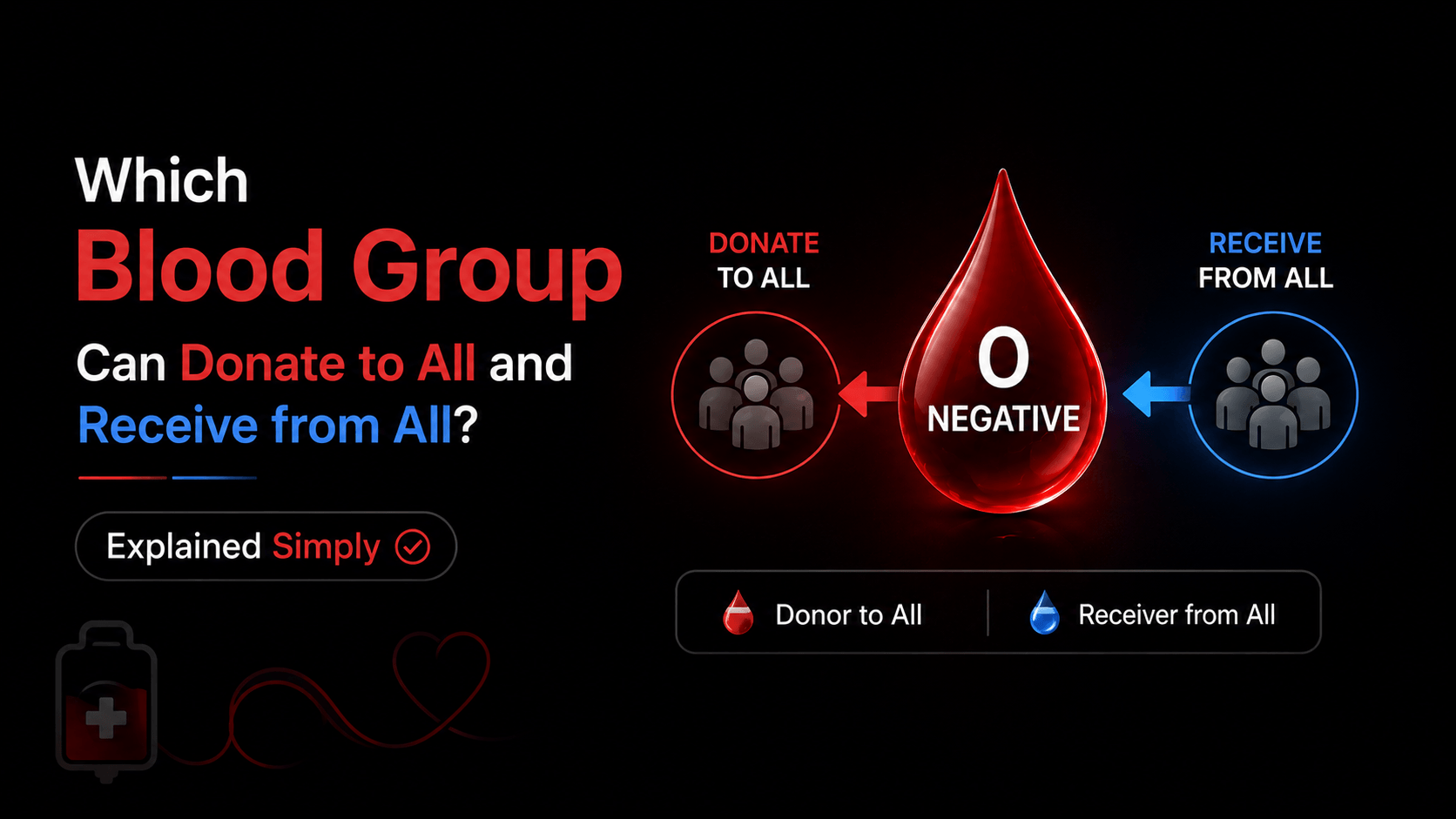
Which Blood Group Can Donate to All and Receive from All? (Explained Simply)
Learn which blood group can donate to all and receive from all. Simple guide explaining universal donors, blood compa...
Read Article arrow_forward
Ayurvedic Tips