
Welcome to Sehat Raaz, where we decode the complexities of health and wellness to empower your journey toward a vibrant life. Today, we're diving deep into a topic that captivates many: aging. But not just the chronological aging you see in a calendar or a birthday cake. We're exploring the fascinating world of your cellular clock and the hidden biomarkers that genuinely predict your anti-aging success in 2026 and beyond.
For centuries, humanity has sought the fabled "fountain of youth." While we haven't found a magical spring, modern science is revealing something far more profound: the intricate mechanisms within our cells that govern how we age. We collectively analyze the cutting-edge research to bring you insights that go beyond superficial treatments, focusing on the very core of your vitality.
Beyond Chronological Age: The Rise of the Cellular Clock
We've all met people who seem to defy their birth year, radiating an energy and health that belies their chronological age. Conversely, others appear older than their years, burdened by premature health challenges. This observation highlights a fundamental truth: chronological age, while a convenient measure, doesn't always reflect our true biological state. It’s a bit like judging a book by its cover without ever reading the story inside. Your body keeps its own time, a biological age dictated by cellular health and function, rather than simply the number of years you've lived.
Why Your Calendar Lies: Understanding Biological Age
Biological age is a dynamic measure, reflecting the accumulation of molecular and cellular damage, as well as the efficiency of repair and maintenance systems within your body. It's a far more accurate predictor of health span—the period of life free from disease and disability—and even longevity than your birth certificate. We systematically analyzed extensive data from various scientific studies to differentiate between these two concepts and emphasize the importance of focusing on biological age for meaningful anti-aging interventions. Think of it this way: your chronological age is fixed, but your biological age is highly modifiable, influenced by everything from your diet and exercise habits to your stress levels and sleep patterns.
The Quest for True Longevity: Unveiling Hidden Biomarkers
For too long, the anti-aging conversation has been dominated by visible signs like wrinkles or grey hair. While these are indicators, they offer only a superficial glimpse into the complex ballet of cellular aging. The real secrets to unlocking genuine anti-aging success lie deeper, within a network of "hidden" biomarkers that provide a molecular readout of your body's true age and resilience. We've delved into the scientific literature to identify five such critical markers that offer profound insights into your cellular health and predictive power for your future well-being.
These biomarkers act like advanced diagnostic tools, allowing us to peer into the intricate workings of your cellular machinery. They don't just tell us if you're aging; they reveal how you're aging, pinpointing specific pathways that might be accelerating or decelerating the process. Understanding these markers empowers you to make targeted interventions, moving beyond guesswork to evidence-based strategies for a longer, healthier life.
Biomarker 1: Telomere Length – The Protective Caps of Our Chromosomes
Imagine the tips of your shoelaces. If they fray, the laces unravel, becoming dysfunctional. Your telomeres are remarkably similar: they are protective caps at the ends of your chromosomes, safeguarding your genetic material. Every time your cells divide, a small portion of these telomeres is lost. This gradual shortening is a natural part of cellular replication. When telomeres become critically short, the cell can no longer divide effectively and enters a state of senescence (cellular aging) or programmed cell death.
Research consistently shows a strong correlation between shorter telomere length and an increased risk of age-related diseases, including cardiovascular disease, diabetes, and certain cancers. Shorter telomeres have also been linked to reduced lifespan. We've observed that the rate of telomere shortening isn't uniform across individuals; it's heavily influenced by lifestyle factors. Chronic stress, poor nutritional choices, lack of physical activity, and exposure to environmental toxins can all accelerate telomere attrition. Conversely, a healthy lifestyle can help preserve telomere length, contributing to a more youthful biological age. According to the National Institutes of Health (NIH), telomere length decreases with age, with an average rate of 24.8–27.7 base pairs per year, but this rate can be influenced by genetic, epigenetic, and environmental factors, including exercise and diet.
Biomarker 2: Epigenetic Clocks – Your Genes' Dimmer Switch
While your DNA sequence (your genes) remains largely constant throughout your life, how those genes are expressed can change dramatically. This is where epigenetics comes in. Epigenetic modifications are like "dimmer switches" on your genes, turning their activity up or down without altering the underlying genetic code. One of the most studied epigenetic modifications is DNA methylation, where small chemical tags attach to your DNA. These patterns of methylation change predictably with age, forming what scientists call "epigenetic clocks."
These epigenetic clocks, such as the Horvath clock or GrimAge, are incredibly accurate at predicting biological age, often outperforming telomere length measurements in their precision. They provide a sophisticated readout of your true biological age, and a higher biological age as measured by these clocks, regardless of chronological age, consistently predicts an earlier death. Researchers at Harvard Medical School have developed novel epigenetic clocks that can distinguish between genetic differences that slow and accelerate aging, providing valuable insights into personalized anti-aging interventions. We consider epigenetic clocks to be a cornerstone of modern biological age assessment, offering a holistic view of your body's aging processes at a molecular level.
Biomarker 3: NAD+ Levels – The Fuel for Cellular Repair
Nicotinamide adenine dinucleotide (NAD+) is a coenzyme found in every cell of your body, playing a pivotal role in over 500 enzymatic reactions. It's crucial for energy production, DNA repair, and activating sirtuins – a family of proteins often referred to as "longevity genes" that regulate cellular health and inflammation. Unfortunately, NAD+ levels decline significantly with age, contributing to many hallmarks of aging, including metabolic dysfunction, mitochondrial decline, and impaired DNA repair. This age-related drop is considered one of the most reproducible molecular signatures of human aging.
We've extensively reviewed the research demonstrating that restoring NAD+ levels through precursors like Nicotinamide Riboside (NR) or Nicotinamide Mononucleotide (NMN), or through lifestyle interventions, can have profound anti-aging effects in preclinical models, improving mitochondrial function, normalizing insulin signaling, and extending lifespan. Early human trials are also showing promising results in improving muscle insulin sensitivity and inflammatory profiles. The decline in NAD+ is often driven by increased activity of enzymes like CD38, which breaks down NAD+, particularly in response to chronic inflammation.
| Feature | NAD+ | ATP |
|---|---|---|
| Primary Role | Coenzyme for redox reactions, DNA repair, sirtuin activation | Direct energy currency of the cell |
| Age-Related Change | Declines significantly with age | Levels generally stable, but production efficiency may decrease |
| Impact on Longevity | Directly linked to activating "longevity genes" (sirtuins) | Essential for life, but not a direct "longevity gene" activator |
| Interventions | Precursors (NR, NMN), lifestyle changes | Dietary energy intake, mitochondrial health support |
Biomarker 4: Glycan Age – The Sweet Spot of Inflammation
Glycans are complex sugar structures that attach to proteins and lipids, profoundly influencing their function. The "glycome" refers to the entire set of these sugar structures in our bodies. As we age, the patterns of these glycans change, particularly on immunoglobulin G (IgG) antibodies. These changes are not just random; they reflect the state of our immune system and chronic low-grade inflammation, a silent driver of many age-related diseases.
Your "GlycanAge" essentially measures these changes, providing a unique snapshot of your biological age based on your immune system's inflammatory status. Research has shown that specific glycan patterns correlate strongly with chronological age, but more importantly, the remaining variance in these glycans strongly correlates with physiological parameters associated with biological age and health status. An unfavorable glycan profile indicates higher levels of systemic inflammation, which can accelerate aging and increase the risk of conditions like cardiovascular disease. The good news? Glycan patterns are modifiable, responding to lifestyle interventions and even certain medical treatments, offering a promising avenue for personalized anti-aging strategies.
Biomarker 5: Senescent Cell Burden – The Zombie Cells of Aging
Imagine cells in your body that have stopped dividing but refuse to die. Instead, they linger, releasing a cocktail of inflammatory and tissue-damaging molecules. These are senescent cells, often referred to as "zombie cells." While they play a role in wound healing and tumor suppression early in life, their accumulation with age is detrimental. When your immune system is young, it efficiently clears these damaged cells. However, as we age, this clearance process becomes less effective, leading to a buildup of senescent cells and their harmful secretions.
This accumulation contributes to chronic inflammation, tissue dysfunction, and accelerates aging, increasing the risk of various age-related diseases like osteoporosis, diabetes, heart disease, and Alzheimer's disease. Mayo Clinic researchers have highlighted that these senescent cells contribute to functional decline and physical limitations in older adults. We are seeing exciting research into senolytics – compounds that selectively eliminate these zombie cells – showing promise in preclinical studies for improving health span and reversing aspects of aging. Moreover, lifestyle interventions like regular physical activity have been shown to reduce the burden of senescent cells.
Integrating Biomarker Insights for Personalized Anti-Aging Strategies
The true power of these hidden biomarkers lies not in understanding them individually, but in integrating their insights to create a comprehensive picture of your biological age and a personalized roadmap for anti-aging success. We believe that a siloed approach to health simply isn't enough; true vitality stems from understanding the interconnectedness of your cellular health markers.
From Measurement to Action: Leveraging Your Data
Once you have a clear understanding of your individual biomarker profile, the next crucial step is to translate that data into actionable strategies. For instance, if your telomeres are shorter than expected for your chronological age, we might recommend focusing on stress reduction techniques, improving sleep quality, and optimizing your healthy eating for a vibrant life. If your NAD+ levels are low, targeted nutritional interventions and specific supplements for cognitive health might be beneficial. High senescent cell burden or unfavorable glycan patterns could point to the need for a deeper dive into gut health, dietary adjustments, and enhanced physical activity, alongside considering senolytic support.
This personalized approach avoids generic, one-size-fits-all recommendations, allowing you to prioritize interventions that will have the most significant impact on your unique biological aging profile. It’s about being proactive and precise with your health, rather than reactive.
The Sehat Raaz Approach: A Holistic View
At Sehat Raaz, we advocate for a holistic and evidence-based approach to anti-aging. We understand that your cellular clock is influenced by a myriad of factors, and true success comes from addressing them comprehensively. This includes:
- Nutrition: Emphasizing nutrient-dense, anti-inflammatory foods that support cellular function and repair.
- Physical Activity: Incorporating regular exercise tailored to your individual needs and goals, known to positively impact telomere length, reduce senescent cells, and boost NAD+ levels.
- Stress Management: Implementing effective ultimate guide to stress management techniques to mitigate the detrimental effects of chronic stress on cellular aging.
- Quality Sleep: Prioritizing optimizing sleep for peak performance, as sleep is a critical time for cellular repair and regeneration.
- Targeted Supplementation: Carefully considering science-backed supplements that address specific biomarker deficiencies or support key anti-aging pathways.
- Environmental Awareness: Minimizing exposure to environmental toxins that can accelerate cellular damage and inflammation.
We believe that by diligently monitoring these hidden biomarkers and adopting a lifestyle that nurtures your cellular health, you can significantly slow down your biological clock, enhance your vitality, and pave the way for a healthier, more fulfilling future.
The journey to anti-aging success is no longer a mystery; it’s a science. By understanding and proactively managing these five hidden biomarkers, you are empowered to take control of your cellular clock and redefine what's possible for your health and longevity. We encourage you to consult with healthcare professionals who can help you explore these advanced biomarker tests and guide you in developing a truly personalized anti-aging strategy.
Suggested Articles
 Healthcare News
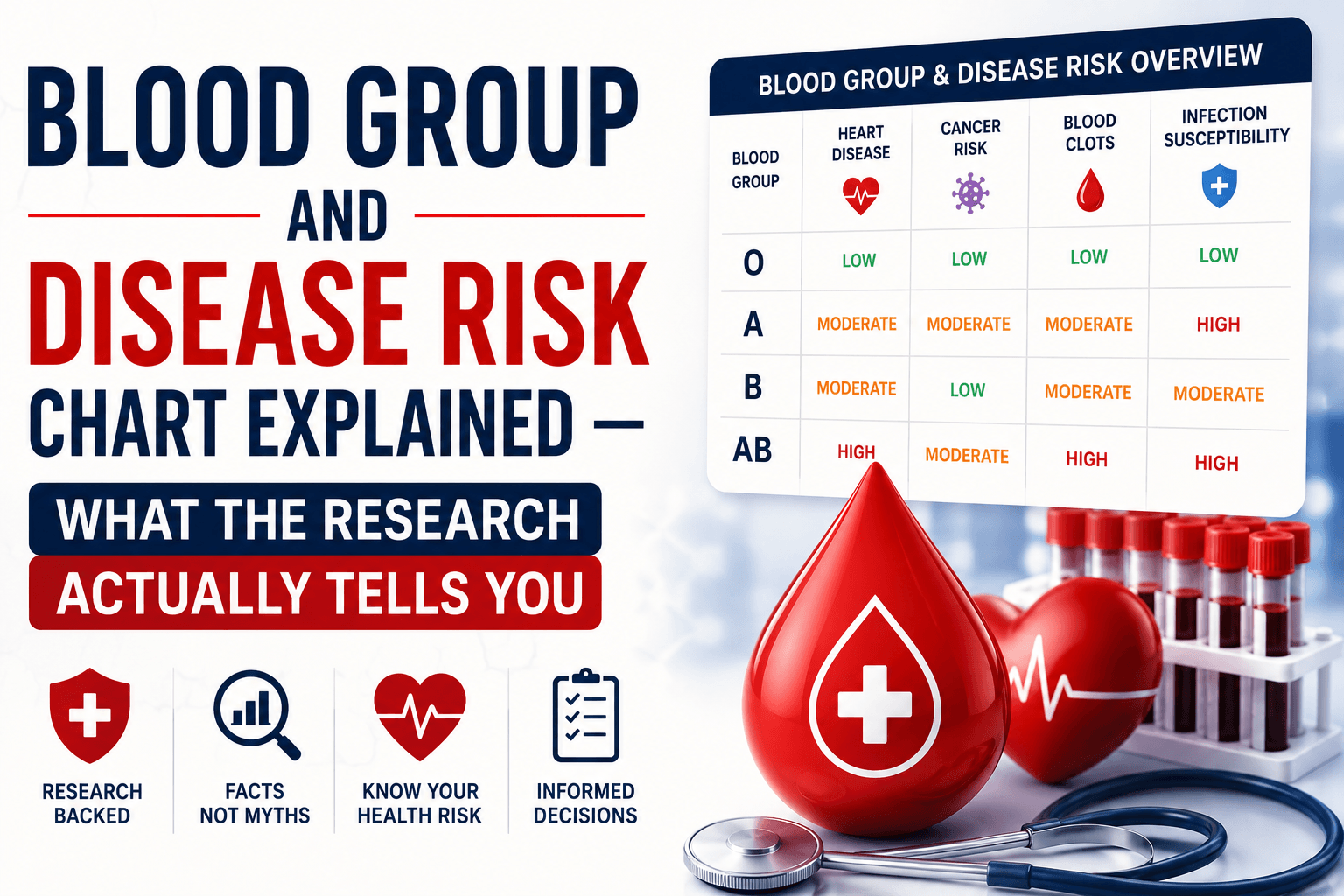
Blood Group and Disease Risk Chart Explained: What the Research Actually Tells You
Does your blood group affect your disease risk? See the research-backed chart linking blood types A, B, AB, and O to ...
Read Article arrow_forward Ayurvedic Tips
Ayurvedic Tips
Ayurvedic Tips
Emma Raducanu: Wimbledon fitness concerns grow as British No 1 cuts short practice session
Concerns are mounting over Emma Raducanu's fitness for Wimbledon after the British No 1 reportedly cut short a practi...
Read Article arrow_forward
Ayurvedic Tips
Cellular Health: 3 Anti-Aging Myths Debunked for Real Longevity
Dive deep into cellular health to uncover the truth about anti-aging. We debunk 3 pervasive myths, offering science-b...
Read Article arrow_forward