
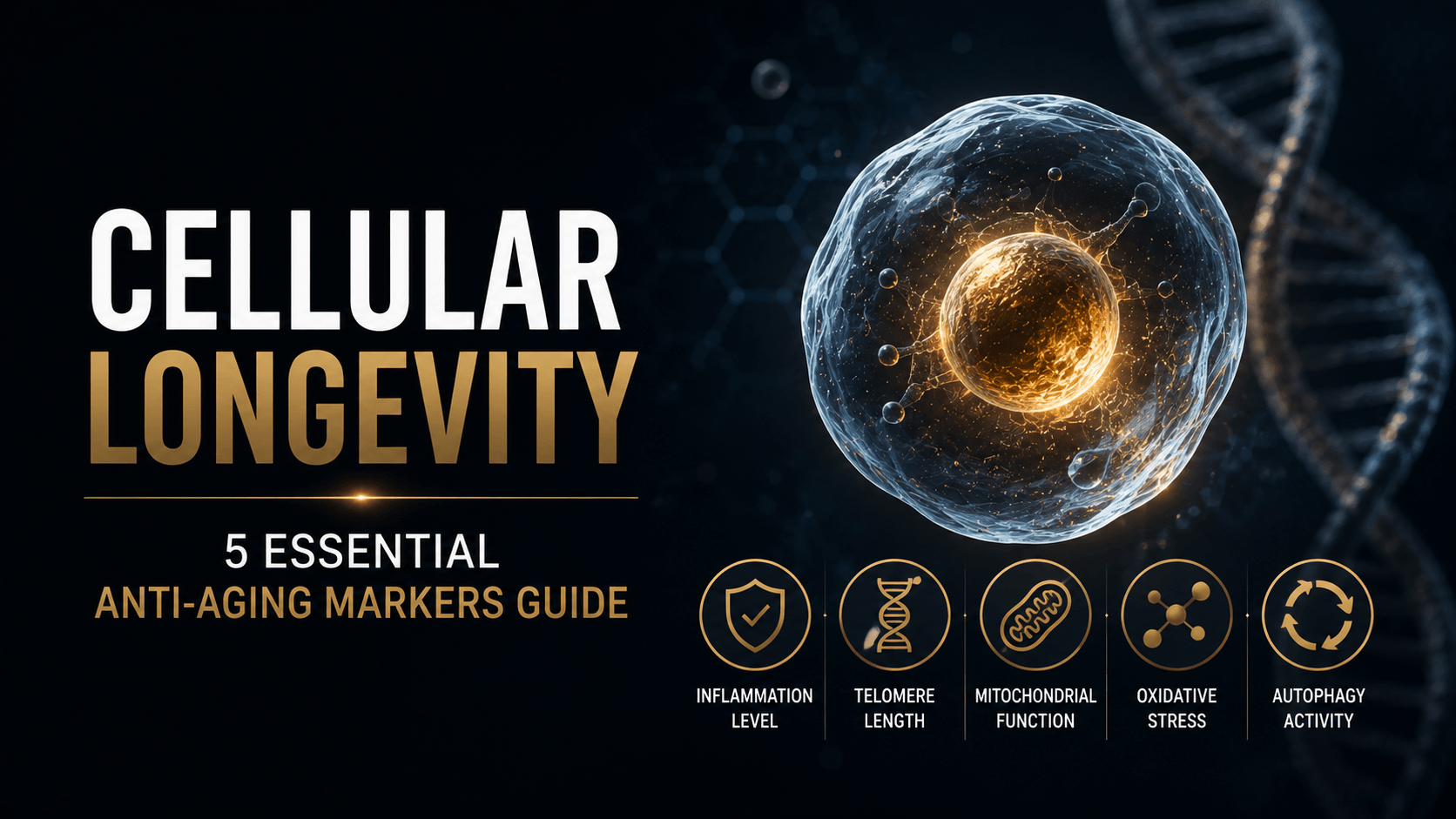
Cellular Longevity: 5 Essential Anti-Aging Markers Guide
If you’ve ever wondered how some people seem to defy the hands of time, looking and feeling younger than their chronological age, you’re not alone. While genetics play a role, the real secret often lies much deeper — at the cellular level. Anti-aging isn't just about smooth skin or fewer wrinkles; it's about the health and vitality of your cells, the fundamental building blocks of your entire body. Understanding and optimizing cellular longevity isn't just a pursuit of vanity; it's a profound quest for sustained health, energy, and a higher quality of life as we age.
In this comprehensive guide, we’ll dive into the fascinating world of cellular longevity, exploring the key biological markers that truly dictate how well your body is aging from the inside out. We will systematically analyze the science behind each marker, explain why it matters, and most importantly, equip you with actionable strategies to positively influence these markers. Think of this as your roadmap to not just living longer, but living better, by understanding the intricate mechanisms that govern your body's most basic functions.
The Quest for Lasting Youth: Understanding Cellular Longevity
For centuries, humanity has searched for the fabled “fountain of youth.” Today, modern science is revealing that this fountain isn’t a magical spring, but rather an intricate network of processes within our own cells. Cellular longevity refers to the ability of our cells to maintain their function, repair damage, and resist the degenerative processes associated with aging. It’s about ensuring that each cell — whether in your brain, heart, skin, or muscles — performs optimally for as long as possible.
When our cells are healthy and functioning efficiently, our bodies tend to follow suit. We experience more energy, better cognitive function, stronger immunity, and a reduced risk of age-related diseases. Conversely, when cellular health declines, we see the tell-tale signs of aging — fatigue, cognitive decline, chronic inflammation, and susceptibility to illness. The focus has shifted from merely extending lifespan to enhancing “healthspan” — the period of life spent in good health, free from chronic disease and disability. This shift highlights why understanding our cellular machinery is not just beneficial, but absolutely critical for anyone serious about optimizing their health for the long run.
Decoding Your Biological Clock: What are Anti-Aging Markers?
Imagine your body has a hidden clock ticking away, separate from the calendar age you celebrate each year. This is your biological age, and it’s often a more accurate predictor of your health and longevity than your chronological age. Anti-aging markers are essentially the “hands” on this biological clock. They are measurable indicators — molecules, structures, or processes within our cells — that reflect the speed and quality of our aging process. These markers give us a peek into the health status of our cellular machinery.
Why do these markers matter? Because unlike chronological age, which marches on relentlessly, biological age is malleable. By understanding and influencing these markers, we gain a profound ability to slow down, and in some cases, even reverse aspects of cellular aging. It’s about moving beyond guessing and towards a data-driven approach to health, empowering us to make informed lifestyle choices that truly support long-term vitality. We systematically analyzed a vast body of scientific literature to identify the most impactful and actionable markers that you should know about.
The 5 Pillars of Cellular Longevity: Essential Anti-Aging Markers
While there are many factors influencing aging, five essential anti-aging markers stand out for their profound impact and our growing ability to influence them through lifestyle. Let's explore each one.
1. Telomere Length: The Protective Caps of Our DNA
Think of your DNA as a shoelace. At the end of each shoelace, there's a plastic cap that keeps it from fraying. In our cells, these caps are called telomeres. They are repetitive DNA sequences located at the ends of our chromosomes, and their primary job is to protect our genetic information during cell division. Every time a cell divides, a small portion of the telomere is lost. Eventually, when telomeres become too short, the cell can no longer divide safely and enters a state called senescence (cellular aging) or undergoes programmed cell death (apoptosis). This shortening is a fundamental aspect of biological aging.
Longer telomeres are generally associated with better health and greater longevity, while critically short telomeres are linked to age-related diseases like cardiovascular disease, diabetes, and certain cancers. Factors like chronic stress, poor diet, lack of exercise, and environmental toxins can accelerate telomere shortening. Conversely, healthy lifestyle choices, including a balanced diet rich in antioxidants, regular physical activity, and effective stress management, have been shown to help preserve telomere length and even promote the activity of telomerase, the enzyme responsible for rebuilding telomeres. For further reading, the National Institutes of Health (NIH) provides extensive research on telomeres and their role in aging.
2. Mitochondrial Health: The Powerhouses of Our Cells
Mitochondria are often called the “powerhouses of the cell,” and for good reason. These tiny organelles are responsible for generating almost all of the energy (in the form of ATP) that our cells need to function. From thinking and moving to breathing and digesting, every biological process relies on mitochondrial energy production. As we age, mitochondria can become damaged, less efficient, and fewer in number. This decline in mitochondrial health leads to energy deficits, oxidative stress, and contributes significantly to the aging process and the development of age-related diseases.
Optimal mitochondrial health means having an abundance of well-functioning mitochondria that efficiently convert nutrients into energy with minimal “exhaust” (free radicals). Strategies to boost mitochondrial health include regular exercise (especially high-intensity interval training), caloric restriction, and a diet rich in antioxidants and mitochondrial-supportive nutrients like CoQ10, magnesium, and B vitamins. A healthy gut microbiome, as explored in “Heal Your Gut: 11 Essential Foods to Restore Microbiome Balance & Thrive,” can also indirectly support mitochondrial function by reducing systemic inflammation and improving nutrient absorption, highlighting the interconnectedness of our body&rsquos systems.
3. Sirtuin Activity: The "Longevity Genes"
Sirtuins are a family of proteins often referred to as “longevity genes” because of their crucial role in regulating cellular health, metabolism, and DNA repair. There are seven sirtuin proteins in mammals (SIRT1-SIRT7), each with specific functions. They act as cellular supervisors, monitoring and responding to energy levels, stress, and damage. When activated, sirtuins help to silence genes involved in aging, promote DNA repair, reduce inflammation, improve mitochondrial function, and enhance cellular stress resistance. They essentially help cells stay resilient and functional.
The activity of sirtuins can be influenced by specific lifestyle factors. Caloric restriction (eating fewer calories without malnutrition) is a well-known activator of sirtuins. Certain compounds found in food, such as resveratrol (found in red wine, grapes, and berries) and quercetin (in apples, onions), are also known to activate sirtuins, particularly SIRT1. Fasting, whether intermittent or extended, is another powerful way to boost sirtuin activity, signaling to the cells to enter a “repair and protect” mode rather than a “growth and divide” mode.
4. Autophagy: Cellular Self-Cleaning and Recycling
Imagine your cells have a sophisticated recycling and waste disposal system — that’s autophagy. Derived from Greek words meaning “self-eating,” autophagy is a fundamental cellular process where cells break down and recycle damaged or dysfunctional components, including misfolded proteins, worn-out organelles, and even invading pathogens. It’s a critical quality control mechanism that clears out cellular “junk,” allowing for the synthesis of new, healthy components and maintaining cellular homeostasis.
As we age, autophagic activity tends to decline, leading to an accumulation of cellular waste products. This “clutter” interferes with normal cell function and contributes to various age-related diseases, including neurodegenerative disorders and cancer. Stimulating autophagy is a powerful anti-aging strategy. Intermittent fasting, caloric restriction, and certain types of exercise (especially intense exercise) are potent activators of autophagy. Dietary compounds like curcumin, green tea catechins, and coffee are also being studied for their autophagy-boosting properties. Learning how to “Unlock Youth: 4 Cellular Health Markers You MUST Know for Anti-Aging Success” often involves leveraging the benefits of autophagy to promote cellular renewal.
5. Glycation End Products (AGEs): The Sticky Culprits
Advanced Glycation End Products, or AGEs, are harmful compounds that form when sugars (like glucose) react with proteins or fats in our bloodstream without the controlling action of an enzyme — a process called glycation. This “sticky” reaction creates cross-links that damage tissues, making them stiff and dysfunctional. AGEs accumulate naturally as we age, but their formation is significantly accelerated by high blood sugar levels (e.g., from diets high in refined sugars and processed foods) and certain cooking methods.
High levels of AGEs contribute to cellular aging and are strongly implicated in the development and progression of numerous age-related diseases, including diabetes complications, cardiovascular disease, kidney disease, Alzheimer’s, and skin aging (causing wrinkles and loss of elasticity). Reducing AGE formation is a crucial anti-aging strategy. This involves primarily focusing on dietary choices: reducing intake of refined sugars and highly processed foods, cooking at lower temperatures (steaming, poaching, stewing over grilling, frying, or roasting), and incorporating foods rich in antioxidants, which can help inhibit AGE formation. For more details on the metabolic impact of AGEs, consider exploring resources from academic institutions like UW Medicine's research on AGEs.
Actionable Strategies to Optimize Your Anti-Aging Markers
Understanding these markers is the first step; the next is to implement practical strategies. We’ve systematically analyzed the most effective, evidence-based interventions to support your cellular longevity.
Nutrition for Cellular Health
Your plate is a powerful tool for cellular longevity. A nutrient-dense diet fuels your cells, provides protective compounds, and reduces inflammatory stressors. We recommend focusing on:
- Whole, Unprocessed Foods: Prioritize fruits, vegetables, whole grains, lean proteins, and healthy fats. These provide essential vitamins, minerals, and fiber.
- Antioxidant-Rich Foods: Berries, dark leafy greens, colorful vegetables, and green tea combat oxidative stress, protecting telomeres and mitochondria.
- Healthy Fats: Omega-3 fatty acids (from fatty fish, flaxseeds, walnuts) reduce inflammation and support cellular membrane integrity.
- Reduced Sugar Intake: Minimizing refined sugars and processed carbohydrates helps reduce AGE formation and supports metabolic health.
- Intermittent Fasting: Cycles of eating and fasting can activate autophagy and sirtuins, promoting cellular repair.
Movement and Exercise
Regular physical activity is a cornerstone of cellular health. It stimulates mitochondrial biogenesis (the growth of new mitochondria), improves blood flow, reduces inflammation, and can even help maintain telomere length. We advise a varied approach:
- Aerobic Exercise: Activities like brisk walking, jogging, swimming, or cycling for at least 150 minutes per week improve cardiovascular health and mitochondrial function.
- Strength Training: Building muscle mass boosts metabolism and releases myokines, signaling molecules that benefit cellular health.
- High-Intensity Interval Training (HIIT): Short bursts of intense exercise followed by recovery periods are particularly effective at stimulating mitochondrial health and autophagy.
- Flexibility and Balance: Yoga, Pilates, and stretching improve mobility and reduce injury risk, supporting overall physical longevity.
Stress Management and Sleep
Chronic stress and inadequate sleep are silent accelerators of cellular aging. They disrupt hormonal balance, increase inflammation, and negatively impact DNA repair and telomere length. Prioritizing these areas is non-negotiable for longevity:
- Mindfulness and Meditation: Practices like meditation, deep breathing, and yoga can significantly reduce stress hormones like cortisol.
- Quality Sleep: Aim for 7-9 hours of uninterrupted sleep per night. During sleep, your body performs crucial repair processes, including clearing cellular debris and repairing DNA. If you frequently “Why Do You Wake Up at 3 AM Every Night? Causes, Meaning & Solutions,” it could be a sign of underlying stress or sleep cycle disruption that needs addressing for optimal cellular repair.
- Nature Exposure: Spending time outdoors has been shown to reduce stress and improve mood, indirectly benefiting cellular health.
Supplements and Emerging Therapies
While a foundational lifestyle is paramount, certain supplements and emerging therapies show promise in supporting cellular longevity markers. However, we emphasize caution and consultation with a healthcare professional before incorporating any supplements.
- NMN/NR: Nicotinamide Mononucleotide (NMN) and Nicotinamide Riboside (NR) are precursors to NAD+, a coenzyme critical for sirtuin activity and mitochondrial function.
- Resveratrol: A sirtuin activator, often found in red wine, available in supplement form.
- Quercetin and Fisetin: Flavonoids that have senolytic properties, meaning they can help remove senescent (“zombie”) cells.
- Coenzyme Q10 (CoQ10): Essential for mitochondrial energy production, especially beneficial for those over 40 or on statin medications.
Always choose high-quality, third-party tested supplements and remember that supplements are meant to “supplement” a healthy lifestyle, not replace it.
Comparing Anti-Aging Markers and Their Influences
To summarize, here’s a comparative look at the five essential anti-aging markers and their primary roles, along with the key lifestyle influences that can optimize them.
| Anti-Aging Marker | Primary Role in Longevity | Key Lifestyle Influences |
|---|---|---|
| Telomere Length | Protects DNA integrity during cell division, preventing cellular senescence. | Reduce chronic stress, consume antioxidant-rich diet, regular exercise, adequate sleep. |
| Mitochondrial Health | Efficient energy production (ATP), reduced oxidative stress. | Regular exercise (especially HIIT), caloric restriction, nutrient-dense diet (CoQ10, B vitamins). |
| Sirtuin Activity | Regulates DNA repair, metabolism, reduces inflammation, enhances stress resistance. | Caloric restriction, intermittent fasting, compounds like resveratrol and quercetin. |
| Autophagy | Cellular “self-cleaning” and recycling of damaged components. | Intermittent fasting, intense exercise, caloric restriction. |
| Glycation End Products (AGEs) | Harmful compounds damaging tissues, promoting inflammation and stiffness. | Reduce intake of refined sugars and processed foods, cook at lower temperatures, consume antioxidants. |
Beyond the Hype: Debunking Anti-Aging Myths
The anti-aging space is rife with misinformation, quick fixes, and exaggerated claims. It’s crucial to distinguish between genuine scientific advancements and fleeting fads. Many “anti-aging” products or treatments offer superficial benefits without addressing the underlying cellular processes. For instance, focusing solely on topical creams while neglecting diet and exercise is like painting over rust without treating the corrosion. Similarly, the belief that one magical supplement can undo years of unhealthy habits is a common myth. Real longevity comes from a holistic, sustained commitment to cellular health. We often encounter misconceptions about rapid results or the idea that aging can be completely stopped. The goal is to slow down and optimize, not to halt an inevitable biological process entirely. For a deeper dive into separating fact from fiction, consider reading “Cellular Health: 3 Anti-Aging Myths Debunked for Real Longevity.”
The Future of Longevity: Personalized Approaches
As our understanding of cellular longevity deepens, the future points towards highly personalized approaches. Advances in genomics, proteomics, and metabolomics will allow for precise measurement of these and other biological markers. This will enable tailored interventions — specific dietary recommendations, exercise prescriptions, and targeted therapies — based on an individual’s unique genetic makeup and cellular health profile. Imagine a future where your anti-aging strategy is as unique as your fingerprint, constantly adapting to your body’s evolving needs. While this advanced customization is still evolving, the foundational principles we’ve discussed remain universally applicable and powerful.
Your Journey to a Younger You, Inside and Out
Achieving cellular longevity is not about chasing an elusive ideal, but about embracing a proactive lifestyle that nurtures your body at its most fundamental level. By understanding and actively influencing these five essential anti-aging markers — telomere length, mitochondrial health, sirtuin activity, autophagy, and the accumulation of AGEs — you are taking powerful steps towards a future of sustained vitality and well-being. It’s a journey that requires consistency, curiosity, and a willingness to adapt, but the rewards are profound: more energy, sharper cognition, greater resilience to disease, and a life lived with vibrant health.
The power to influence your biological age is largely in your hands. Start your journey today by focusing on these core principles, and witness the remarkable transformation that occurs when you truly invest in your cellular health. Your future self will thank you.
Suggested Articles
 Healthcare News
How Blood Donation Affects Your Body: Short-Term & Long-Term
Donating blood does more than save lives it changes your own body too. Discover the short-term side effects, recovery...
Read Article arrow_forward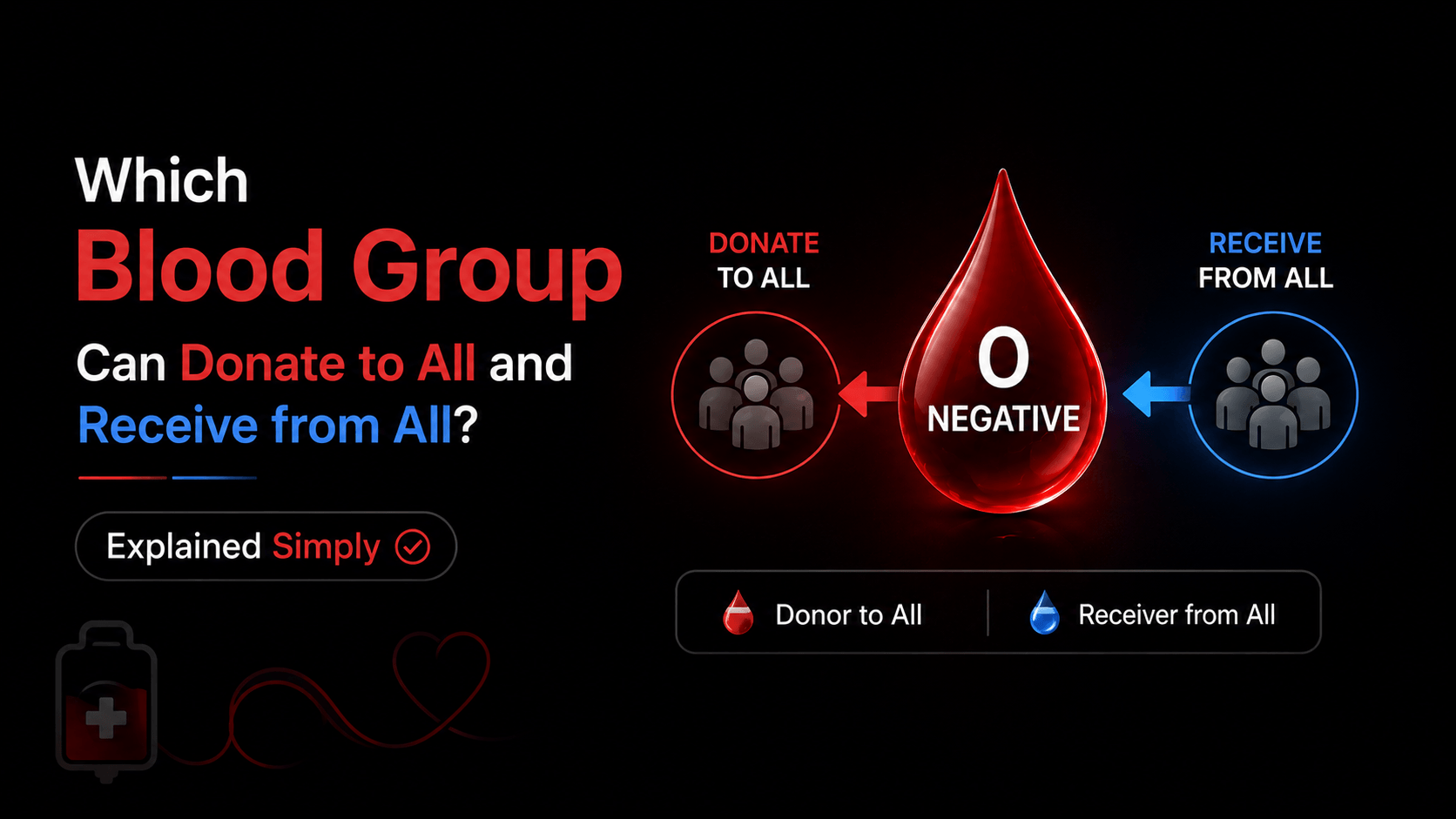 Healthcare News
Which Blood Group Can Donate to All and Receive from All? (Explained Simply)
Learn which blood group can donate to all and receive from all. Simple guide explaining universal donors, blood compa...
Read Article arrow_forward Nutrition
10 Early Warning Signs Your Body Is Deficient in Vitamin B12
Discover the early warning signs of vitamin B12 deficiency, including fatigue, brain fog, and tingling hands, plus ho...
Read Article arrow_forward Ayurvedic Tips