

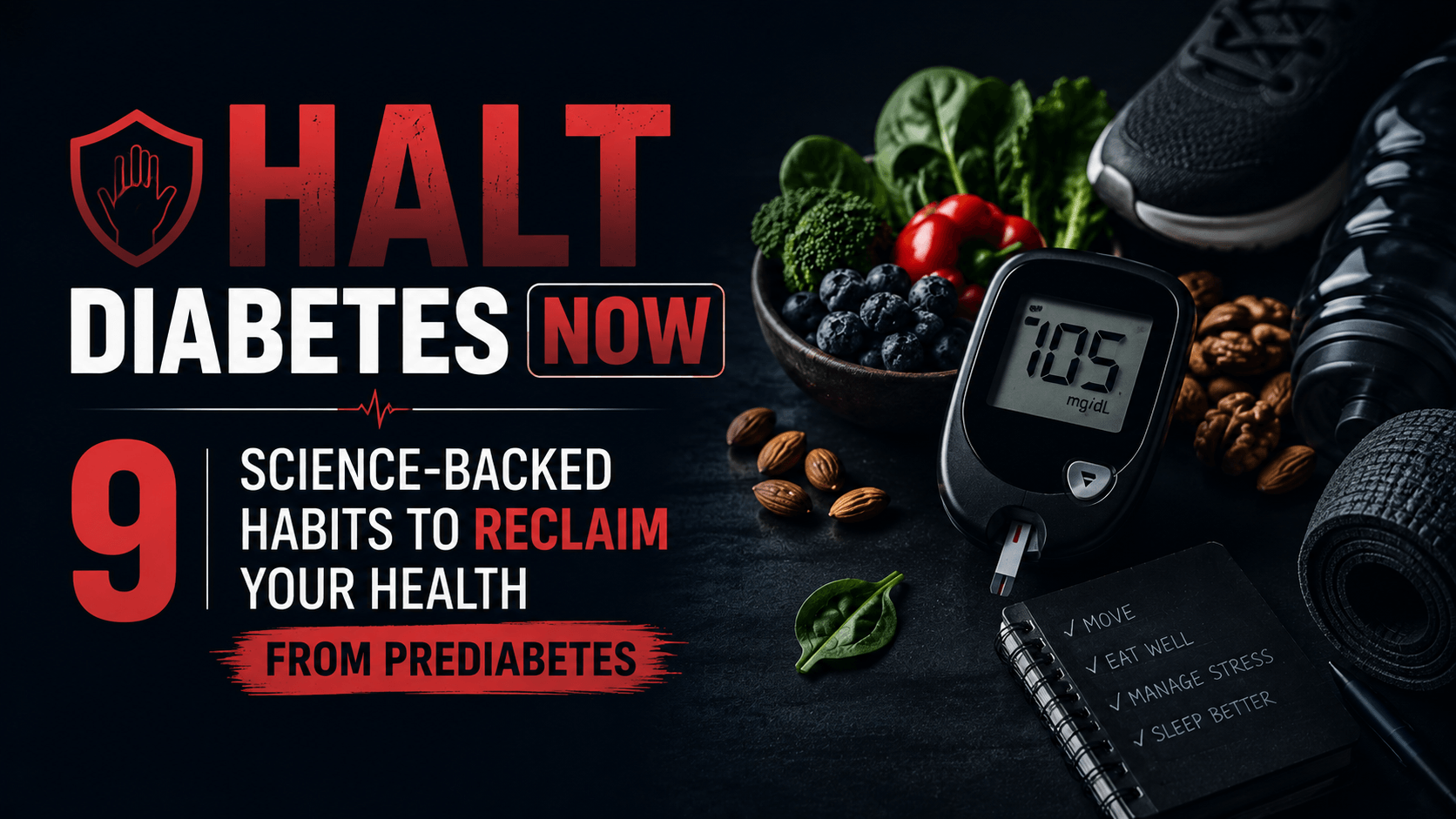
In a world accelerating at an unprecedented pace, our health often takes a backseat. But what if we told you there's a silent epidemic threatening millions, yet entirely preventable? We are talking about prediabetes, a critical warning sign that your body is struggling to manage blood sugar, placing you on the fast track to developing type 2 diabetes, heart disease, and stroke. At Sehat Raaz, we systematically analyzed the latest scientific research to bring you a comprehensive 2026 blueprint: 9 science-backed habits to help you HALT prediabetes and reclaim your health. This isn't just about avoiding a diagnosis; it's about transforming your well-being and embracing a vibrant future.
Understanding Prediabetes: A Critical Juncture for Your Health
Before we dive into actionable strategies, let's clarify what prediabetes means for your body and why it demands your immediate attention. Many people hear "prediabetes" and think it's a mild, inconsequential state, but nothing could be further from the truth.
What Exactly is Prediabetes?
Prediabetes is a health condition where blood sugar levels are higher than normal but not yet high enough to be diagnosed as type 2 diabetes. This occurs when your body either doesn't make enough insulin or doesn't use insulin effectively, a phenomenon known as insulin resistance. Insulin is a hormone produced by the pancreas that acts like a key, allowing blood sugar (glucose) to enter your cells for energy. When your cells become resistant to insulin, glucose builds up in your bloodstream.
Diagnosis typically involves a few key blood tests:
- Glycated Hemoglobin (A1C) Test: This test indicates your average blood sugar level for the past 2 to 3 months. An A1C between 5.7% and 6.4% is diagnosed as prediabetes.
- Fasting Blood Sugar Test: A blood sample is taken after you haven't eaten for at least eight hours. A fasting blood sugar level between 100 to 125 mg/dL (5.6 to 6.9 mmol/L) indicates prediabetes.
- Oral Glucose Tolerance Test: Less commonly used, this involves fasting overnight, drinking a sugary liquid, and then having blood sugar levels tested periodically. A level between 140 to 199 mg/dL (7.8 to 11.0 mmol/L) after two hours suggests prediabetes.
Why Prediabetes Matters: The Slippery Slope to Type 2 Diabetes
Ignoring a prediabetes diagnosis is akin to ignoring a smoke alarm. Without intervention, many individuals with prediabetes can develop type 2 diabetes within five years. The Centers for Disease Control and Prevention (CDC) estimates that more than 1 in 3 US adults has prediabetes, and alarmingly, 8 out of 10 of them don't even know they have it. This condition also significantly increases your risk of heart disease and stroke, even before a full type 2 diabetes diagnosis.
The good news? Prediabetes is often reversible through targeted lifestyle changes. This blueprint from Sehat Raaz is designed to empower you with the knowledge and habits to prevent its progression and protect your long-term health.
The Sehat Raaz 2026 Blueprint: 9 Science-Backed Habits to HALT Prediabetes
Our team at Sehat Raaz understands that complex health information can be overwhelming. That's why we've distilled the most impactful, evidence-based strategies into nine clear, actionable habits. By integrating these into your daily life, you can significantly reduce your risk of developing type 2 diabetes and enhance your overall well-being.
1. Embrace a Whole-Foods, Low-Glycemic Diet
Your diet is perhaps the most powerful tool in managing blood sugar. We advocate for a diet rich in whole, unprocessed foods. Focus on fruits, vegetables, lean proteins, and whole grains. Limit refined carbohydrates like white bread, sugary drinks, and processed snacks, as these cause rapid spikes in blood sugar, putting extra strain on your insulin system.
- Prioritize Fiber: Foods high in fiber, such as vegetables, fruits, legumes, and whole grains, slow down sugar absorption, helping to stabilize blood glucose levels.
- Choose Healthy Fats: Incorporate healthy fats from sources like avocados, nuts, seeds, and olive oil, which can improve insulin sensitivity.
- Limit Added Sugars: Be vigilant about hidden sugars in packaged foods. Too much added sugar contributes to weight gain, obesity, and type 2 diabetes.
2. Prioritize Regular Physical Activity
Movement is medicine for prediabetes. Regular physical activity helps your body use insulin more effectively and utilizes blood sugar for energy. Aim for at least 150 minutes of moderate-intensity aerobic activity per week, which could be as simple as a brisk walk.
- Mix It Up: Combine aerobic exercises (like brisk walking, swimming, or cycling) with strength training exercises (using weights or bodyweight) at least twice a week. Strength training builds muscle, which helps your body process glucose more efficiently.
- Break Up Sedentary Time: If you have a desk job, stand up and move around for a few minutes every hour. Even short bursts of activity add up throughout the day and can make a difference.
3. Achieve and Maintain a Healthy Weight
Losing even a modest amount of weight can have a profound impact on reversing prediabetes. Research shows that losing just 5% to 7% of your body weight can significantly reduce your risk of developing type 2 diabetes. For someone weighing 200 pounds (approximately 91 kilograms), this means losing just 10 to 14 pounds (4.5 to 6.4 kilograms).
We believe that sustainable weight loss comes from a holistic approach, combining consistent healthy eating with regular physical activity. Rather than focusing on restrictive "diets," consider permanent changes to your eating and exercise habits.
4. Master Stress Management Techniques
Chronic stress can wreak havoc on your blood sugar levels. When you're stressed, your body releases hormones like cortisol, which can increase blood glucose. Learning to manage stress is crucial for overall health and prediabetes reversal.
- Mindfulness and Meditation: Practices like meditation and mindfulness can help quiet the mind and reduce the physiological effects of stress.
- Deep Breathing Exercises: Simple deep breathing techniques can calm your nervous system and lower stress hormones.
- Engage in Hobbies: Make time for activities you enjoy, whether it's gardening, reading, listening to music, or spending time in nature.
For more strategies on stress relief techniques, explore the resources available on Sehat Raaz.
5. Optimize Your Sleep Quality
Poor sleep is a silent contributor to insulin resistance. Studies reveal that restricting sleep can lead to a significant increase in insulin resistance, impacting your body's ability to process glucose effectively.
- Aim for 7-9 Hours: Most adults need 7 to 9 hours of quality sleep per night. Establish a consistent sleep schedule, even on weekends.
- Create a Relaxing Bedtime Routine: Wind down with a book, a warm bath, or gentle stretching. Avoid screens (phones, tablets, TV) at least an hour before bed.
- Optimize Your Sleep Environment: Ensure your bedroom is dark, quiet, and cool.
6. Stay Hydrated with Water, Not Sugary Drinks
Water is essential for countless bodily functions, including regulating blood sugar. Sugary beverages, on the other hand, are a direct source of added sugar, contributing to weight gain and blood sugar spikes. Make water your primary beverage choice.
- Carry a Water Bottle: Keep a reusable water bottle with you throughout the day to encourage consistent hydration.
- Flavor Your Water Naturally: If plain water feels boring, add slices of lemon, cucumber, berries, or mint for a refreshing twist.
7. Incorporate Mindful Eating Practices
Mindful eating isn't a diet; it's an approach to food that involves paying full attention to your eating experience – your hunger and fullness cues, the tastes, textures, and smells of your food. This practice can help you make healthier choices, prevent overeating, and improve blood sugar control.
- Eat Slowly and Savor Each Bite: Put down your fork between bites. This allows your body time to register fullness and enhances your enjoyment of the meal.
- Listen to Your Body: Distinguish between physical hunger and emotional cravings. Eat when you are truly hungry and stop when you are satisfied, not overly full.
8. Monitor Your Blood Sugar Regularly (and Understand the Numbers)
While most prediabetes treatment plans don't involve daily blood sugar monitoring, regular checks of your A1C and fasting glucose levels, as recommended by your healthcare provider, are crucial to track progress and ensure your efforts are effective.
- Know Your Targets: Understand what constitutes normal, prediabetic, and diabetic ranges for A1C and fasting glucose.
- Discuss with Your Doctor: Regularly review your results with your healthcare provider to adjust your lifestyle plan as needed.
9. Seek Professional Guidance and Support
You don't have to navigate this journey alone. A healthcare team can provide personalized advice and support. This may include your primary care doctor, a registered dietitian, a certified diabetes educator, or even a wellness coach.
- Personalized Plans: A dietitian can help you create a meal plan tailored to your preferences and cultural background, while a diabetes educator can teach you essential self-management skills.
- Support Groups: Connecting with others facing similar challenges can provide encouragement, practical tips, and a sense of community.
Prediabetes vs. Type 2 Diabetes: A Clear Distinction
Understanding the difference between prediabetes and full-blown type 2 diabetes underscores the urgency of addressing prediabetes.
| Characteristic | Prediabetes | Type 2 Diabetes |
|---|---|---|
| Blood Sugar Levels | Higher than normal, but not yet diagnostic for diabetes. | Consistently high blood sugar levels. |
| Fasting Glucose | 100-125 mg/dL (5.6-6.9 mmol/L) | 126 mg/dL (7.0 mmol/L) or higher |
| A1C Level | 5.7% to 6.4% | 6.5% or higher |
| Insulin Resistance | Often present, body cells become less responsive to insulin. | Significant insulin resistance, often with declining insulin production. |
| Symptoms | Usually none; often called a "silent condition." | Increased thirst, frequent urination, increased hunger, fatigue, blurred vision, slow-healing sores. |
| Progression Risk | High risk of progressing to type 2 diabetes within 5-10 years without intervention. | Already diagnosed with the disease; requires ongoing management. |
| Reversibility | Often reversible with lifestyle changes. | Can be managed and put into remission, but typically considered a chronic condition. |
The Power of Proactivity: Why Now is the Time to Act
The journey from prediabetes to type 2 diabetes is not inevitable. It's a fork in the road, and the choices you make today will determine your path. We have seen countless individuals reclaim their health, energy, and vitality by taking these steps seriously. The 2026 blueprint we've outlined provides a clear, actionable roadmap, grounded in scientific evidence. Your body is resilient, and with the right habits, it has an incredible capacity to heal and restore balance.
This proactive approach not only averts the serious health complications associated with type 2 diabetes but also improves your overall quality of life. You'll likely experience increased energy, better mood, improved sleep, and a greater sense of control over your health. These habits don't just target blood sugar; they foster a foundation for holistic well-being.
Conclusion: Your Health, Your Choice
Prediabetes is a wake-up call, not a life sentence. With the 9 science-backed habits presented in this Sehat Raaz 2026 blueprint, you have a powerful toolkit to HALT the progression to type 2 diabetes and embark on a path toward lasting health. From mindful eating and regular physical activity to prioritizing sleep and managing stress, each habit plays a crucial role in restoring your body's natural balance.
We encourage you to start small, choose one or two habits that resonate most with you, and gradually integrate them into your daily routine. Consistency, not perfection, is the key. Remember to consult with your healthcare provider to tailor these recommendations to your individual needs. Your journey to reclaim your health from prediabetes begins now. For more expert-backed insights and to explore a wealth of resources on wellness, fitness, and nutrition, visit Sehat Raaz. Take control, stay informed, and thrive!
Suggested Articles
 Mental Health
Why Do You Wake Up at 3 AM Every Night? Causes, Meaning & Solutions
Find out why you wake up at 3 AM every night, from stress and cortisol spikes to poor sleep habits, plus simple tips ...
Read Article arrow_forward Healthcare News
Blood Group Importance in Emergency Situations - Why It Can Literally Save Your Life
Your blood group can mean the difference between life and death in an emergency. Here's why knowing your blood type i...
Read Article arrow_forward Healthy Lifestyle
Cellular Longevity: 5 Essential Anti-Aging Markers Guide
Want to live longer and healthier? Discover the 5 crucial cellular markers that drive anti-aging. Learn how to unders...
Read Article arrow_forward Home Remedies
Best Home Remedies for Cold and Cough That Actually Work
Sneezing, sore throat, blocked nose? These tried-and-tested home remedies for cold and cough use ingredients already ...
Read Article arrow_forward