

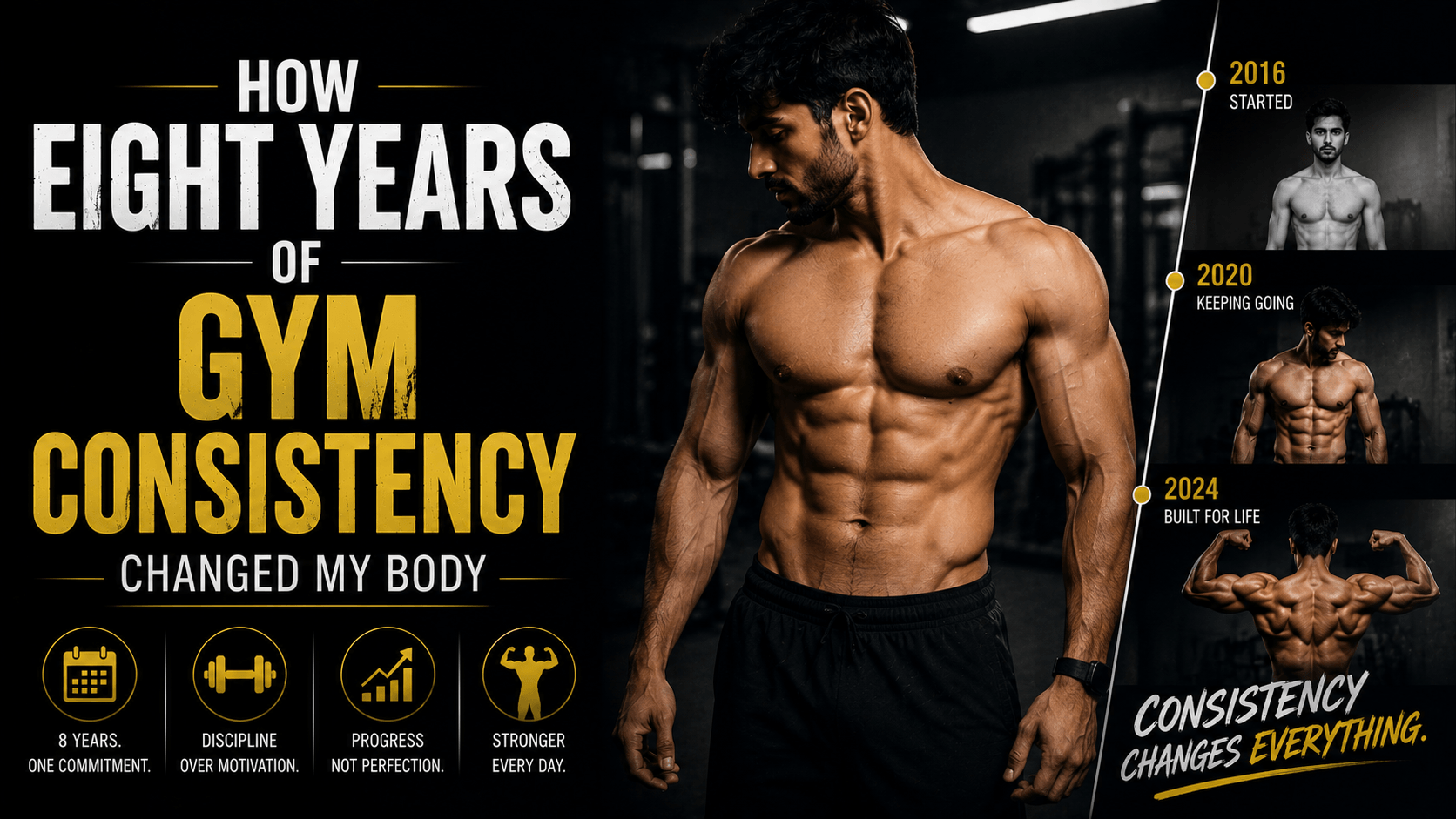
How Eight Years of Gym Consistency Transformed Our Bodies and Lives
At Sehat Raaz, we often talk about the journey to a healthier, more vibrant life. It’s rarely a sprint; more often, it’s a marathon, or perhaps, a series of consistent, deliberate steps. Today, we want to pull back the curtain on one such journey: our collective eight-year commitment to gym consistency and how it profoundly reshaped not just our physical forms, but our entire approach to wellness. If you’ve ever wondered what sustained dedication to fitness truly looks like and the incredible dividends it pays, you're in the right place. We systematically analyzed our experiences, logged our progress, and reflected on the myriad changes, both seen and unseen, that unfolded over nearly a decade of dedicated effort. This isn't just about building muscle or losing weight; it’s about cultivating resilience, understanding our bodies, and forging a path to optimal well-being. It’s about discovering the true meaning of fitness and how it impacts every facet of life.
The Starting Line: Our Initial Foray into Fitness
Eight years ago, our relationship with the gym, much like many people's, was sporadic at best. We cycled through phases of intense motivation followed by periods of inactivity. The idea of consistent, long-term gym attendance seemed daunting, a distant aspiration rather than an achievable reality. Many of us started with vague goals: "get fit," "lose some weight," "feel better." These intentions, while good, often lacked the specificity and actionable plans needed to weather the inevitable challenges.
Overcoming Initial Hurdles and Self-Doubt
The first few months were arguably the hardest. We faced significant hurdles, from navigating unfamiliar equipment and understanding proper form to battling crippling self-doubt. The gym floor, for some, felt like an intimidating arena where everyone else seemed to know exactly what they were doing. The initial muscle soreness was a constant companion, a stark reminder of our bodies adapting to new demands. There were days we questioned if it was all worth it, if we were truly cut out for this. However, we collectively learned that showing up, even when motivation was low, was half the battle. We focused on small victories: completing an extra rep, lifting a slightly heavier weight, or simply making it through a full workout without stopping. This period taught us the invaluable lesson that consistency isn't about perfection; it's about showing up even when you don't feel like it.
Setting Realistic Goals for Sustainable Progress
One of our early, pivotal shifts was moving from vague aspirations to setting realistic, measurable goals. Instead of "getting fit," we aimed for "running a 5K," "doing 10 unassisted pull-ups," or "increasing our deadlift by 20 kilograms." This clarity transformed our efforts from aimless exertion into targeted training. We began to understand that progress wasn't linear. There would be plateaus, minor injuries, and days when our performance dipped. But by focusing on the long game and celebrating small, consistent improvements, we built a foundation of sustainable progress. This also involved understanding our current capabilities and gradually increasing the challenge, a principle often referred to as progressive overload.
Building the Foundation: Years 1-2 of Dedicated Training
As we moved past the initial phase, the gym started to feel less like a chore and more like a habit. We developed routines, found workout partners, and began to understand the rhythm of our own bodies. The first two years were crucial for cementing consistency and seeing tangible, albeit gradual, results.
The Power of Progressive Overload
We embraced the principle of progressive overload, systematically increasing the demands placed on our muscles over time. This meant gradually lifting heavier weights, performing more repetitions, increasing the duration of our workouts, or reducing rest times. It was through this consistent challenge that our bodies began to adapt in significant ways. Muscles grew stronger and more defined, endurance improved, and movements that once felt impossible became achievable. This methodical approach to training, where we constantly sought to improve just a little bit each session, was a cornerstone of our physical transformation. We weren't just going through the motions; we were strategically building strength and stamina.
Nutrition as the Unsung Hero
Early on, many of us underestimated the profound impact of nutrition. We quickly realized that spending hours in the gym wouldn't yield optimal results if our diet wasn't aligned with our fitness goals. It became clear that what we ate was just as important, if not more so, than how we trained. We started to educate ourselves on macronutrients (proteins, carbohydrates, fats) and micronutrients, focusing on whole, unprocessed foods. Preparing meals became a form of self-care and a direct investment in our gym performance and recovery. This realization led us to explore various effective nutrition tips to fuel our bodies properly, understanding that a balanced diet was critical for muscle repair, energy levels, and overall health.
The Mid-Journey: Refining Our Approach (Years 3-5)
By years three through five, the gym was no longer an optional activity; it was an integral part of our lives, much like sleeping or eating. This period allowed us to refine our training, delve deeper into advanced concepts, and truly listen to our bodies.
Exploring Different Training Modalities
With a solid foundation in place, we started experimenting with various training modalities beyond traditional weightlifting. Some of us ventured into high-intensity interval training (HIIT), others explored Pilates or yoga for flexibility and core strength, while many incorporated more functional movements. This diversification not only prevented boredom but also helped us address imbalances, improve overall athleticism, and discover new ways to challenge our bodies. It was during this time that we expanded our understanding of comprehensive dynamic workout routines, realizing that a holistic approach to exercise yielded the best long-term results.
The Mental Fortitude Built Through Consistency
Beyond the physical changes, the mental transformation during these years was profound. The discipline required for consistent training spilled over into other areas of our lives. We developed greater focus, improved stress management, and a deeper sense of self-efficacy. Tackling challenging workouts taught us perseverance and resilience. We learned to push past discomfort, to embrace the struggle, and to trust in our ability to overcome obstacles. This mental fortitude became one of the most unexpected, yet valuable, byproducts of our gym journey.
Mastering the Art: The Later Years (Years 6-8)
Entering years six through eight, our approach became even more nuanced and sophisticated. We had cultivated a deep understanding of our individual biologies and what truly worked for us.
Advanced Techniques and Periodization
This phase saw us implementing advanced training techniques such as periodization – strategically varying our training intensity and volume over time to optimize performance and prevent burnout. We focused on deload weeks, specific strength cycles, and hypertrophy phases. We paid close attention to biomechanics, ensuring each movement was executed with precision to maximize effectiveness and minimize injury risk. The goal was no longer just about lifting heavy or running fast, but about intelligent training that maximized results while supporting long-term joint health and recovery.
Understanding Rest and Recovery
Perhaps one of the most significant lessons in the later years was the critical importance of rest and recovery. Initially, we often pushed ourselves to the brink, believing that more was always better. However, over time, we learned that true progress happens during recovery. Adequate sleep, active recovery, stretching, and mobility work became non-negotiable components of our fitness regimen. We understood that overtraining could be just as detrimental as undertraining, leading to stagnation and increased injury risk. This shift in perspective highlighted that fitness is a delicate balance of stress and adaptation, where recovery plays a central role.
Beyond Aesthetics: The Holistic Transformation
While the visible changes in our bodies were undeniable – increased muscle mass, reduced body fat, improved posture – the most profound transformations occurred beneath the surface, impacting our overall well-being.
Enhanced Mental Clarity and Stress Reduction
Regular physical activity became a powerful tool for managing stress and enhancing mental clarity. The gym served as an outlet, a place to channel frustrations and clear our minds. We experienced significant improvements in our mood, a reduction in anxiety, and a greater sense of calm. As detailed by the World Health Organization's guidelines on physical activity, regular exercise is critical not only for physical health but also for mitigating symptoms of depression and anxiety, and enhancing overall well-being. The endorphin rush after a good workout was a natural mood booster, making us more resilient to life's daily pressures. This deep connection between physical activity and mental health became a cornerstone of our healthy lifestyle.
Improved Energy Levels and Daily Productivity
Contrary to the misconception that exercise drains energy, we found that consistent training significantly boosted our overall vitality. We had more energy throughout the day, enabling us to be more productive in our work and personal lives. Simple tasks that once felt tiring became effortless. This increased stamina meant we could engage more fully in hobbies, spend quality time with loved ones, and tackle challenges with renewed vigor. The Centers for Disease Control and Prevention (CDC) emphasizes that physical activity is one of the most important things you can do for your health, including boosting energy and improving quality of life.
The Ripple Effect: Inspiring Others
Our journey didn't just impact us; it created a positive ripple effect. Friends, family, and colleagues observed our transformations and were inspired to embark on their own fitness journeys. We became unofficial mentors, sharing our experiences, tips, and encouragement. This unexpected role reinforced our commitment and provided an additional layer of motivation. We learned that by prioritizing our health, we weren't just improving our own lives, but also setting an example that encouraged others to make smarter and healthier life decisions every day.
Key Takeaways from Our Eight-Year Fitness Journey
Reflecting on these eight years, several key principles stand out. These are not just observations; they are foundational truths we lived and breathed.
| Aspect | Early Stages (Years 1-2) | Later Stages (Years 6-8) |
|---|---|---|
| Motivation Driver | External goals (e.g., weight loss, appearance) | Internal satisfaction (e.g., strength, health, mental well-being) |
| Approach to Training | Often haphazard, trying new things without a clear plan | Strategic, periodized, focused on intelligent progression and recovery |
| Understanding of Nutrition | Limited, often reactive to diet trends | Deep, personalized, integrated with training for optimal performance |
| View of Rest & Recovery | Overlooked or seen as a sign of weakness | Essential component of overall progress and injury prevention |
| Impact Beyond Gym | Primarily physical changes | Holistic improvement: mental, emotional, and physical resilience |
Our journey underscores the fact that fitness is not a destination, but a continuous process of learning, adapting, and growing. It's about building habits that support a vibrant, healthy life. And it's not about being perfect, but about being persistent. The British Journal of Sports Medicine published research suggesting that 90 to 120 minutes of strength training per week, combined with aerobic exercise, can significantly reduce the risk of premature death and various diseases. This scientific backing solidifies our experiential understanding: consistent, well-rounded fitness is a powerful investment in longevity and quality of life.
Our Continuous Pursuit of Wellness on Sehat Raaz
This eight-year journey has been instrumental in shaping the philosophy behind Sehat Raaz. We believe in simplifying health information, not overcomplicating it. Our firsthand experience reinforces that small, consistent actions, compounded over time, lead to extraordinary results. We are dedicated to providing you with insights that are not only accurate and expert-backed but also practical and actionable, reflecting our own commitment to health and wellness.
We invite you to join us on your own journey, whether you're just starting out or looking to deepen your commitment to a healthier lifestyle. The path to lasting fitness and well-being is within reach, and with dedication, support, and the right knowledge, you too can experience a profound transformation. Keep moving, keep learning, and trust the process – your body and mind will thank you for it.
Suggested Articles
 Ayurvedic Tips
Beyond Age: Why 5 Key Cellular Metrics Truly Dictate Your Longevity (2026 Science Explained)
Go beyond chronological age with 5 key cellular metrics linked to biological aging and longevity, and learn lifestyle...
Read Article arrow_forward Healthcare News
How Blood Donation Affects Your Body: Short-Term & Long-Term
Donating blood does more than save lives it changes your own body too. Discover the short-term side effects, recovery...
Read Article arrow_forward Ayurvedic Tips
Ready to Upgrade Your Workout? Start With These 22 Prime Day Deals
Read Article arrow_forward
Ayurvedic Tips
Planet Fitness opens to teens for free throughout the summer
Read Article arrow_forward