
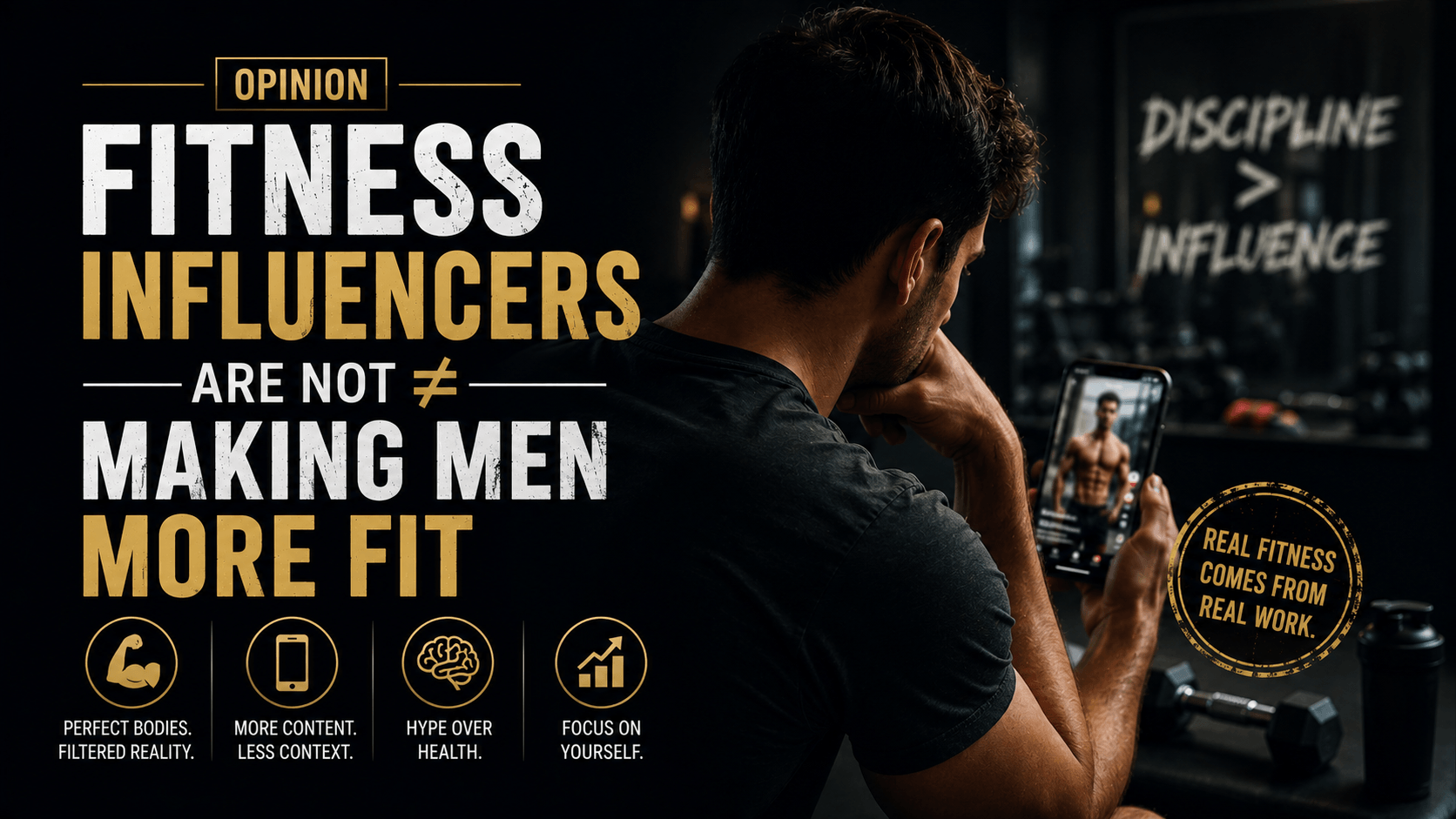
Opinion | Fitness Influencers Are Not Making Men More Fit
At Sehat Raaz, we systematically analyze the evolving landscape of health and wellness, striving to provide insights that empower you to make informed decisions. We've observed a pervasive trend in recent years: the rise of fitness influencers, particularly those targeting men. These digital personalities, with their sculpted physiques and seemingly perfect lives, promise rapid transformations and an aspirational lifestyle. However, a critical examination of the evidence suggests a disquieting truth: rather than fostering genuine, sustainable fitness, this influencer culture may, in many cases, be detrimental to men's physical and mental well-being. We believe that while motivation can sometimes stem from these platforms, the overall impact leans heavily towards promoting unrealistic standards and potentially unhealthy practices, ultimately hindering rather than helping men achieve true fitness.
The Allure of the Influencer Aesthetic
We see it everywhere: perfectly lit selfies, meticulously edited workout videos, and reels showcasing extreme dedication. Fitness influencers cultivate an image of peak physical condition, often emphasizing hyper-masculine ideals characterized by shredded abs, bulging biceps, and immense strength. This curated content is designed to captivate and inspire, creating a sense of urgency and desire among their male followers to emulate these standards. The appeal is undeniable, tapping into deeply ingrained societal expectations of masculinity and physical prowess.
Curated Realities vs. Sustainable Fitness
The glossy veneer of influencer content often obscures the realities of long-term health and sustainable fitness. What appears as a simple "day in the life" or a quick workout routine is frequently the culmination of extensive editing, strategic posing, and often, professional assistance. We've noted that the focus tends to be on aesthetic outcomes rather than the intrinsic joys and health benefits of physical activity. This appearance-driven motivation, while initially powerful, can be fragile and unsustainable. Research indicates that appearance-based motives for exercise are associated with negative outcomes, whereas focusing on overall well-being leads to more sustainable health behaviors, as highlighted by Harvard Health.
The Pressure to Perform and Conform
For many men, following fitness influencers creates an unspoken pressure to perform and conform to an idealized physique. The constant exposure to these seemingly perfect bodies can foster social comparison, leading to feelings of inadequacy. Studies confirm that young men's attitudes about body image can be significantly affected by Instagram influencers, with participants often feeling less satisfied with their own bodies after viewing idealized male physique images. This upward social comparison, where individuals compare themselves to those perceived as superior, can result in dissatisfaction with one's own body and an increased drive to meet these often unattainable standards.
Understanding the Physiological Realities
Achieving the extreme physiques popularized by many fitness influencers is, for the vast majority, physiologically impossible without significant genetic advantages or external aids. We often encounter individuals striving for body fat percentages that are difficult to maintain safely, or muscle mass that far exceeds natural limits.
Genetic Predisposition and Individual Variability
Human physiology is remarkably diverse. Genetic predisposition plays a monumental role in muscle growth, fat distribution, and overall body composition. What works for one individual might not work for another, regardless of how diligently they follow an influencer's program. We emphasize that comparisons to genetically gifted individuals, often those who become influencers, can set men up for disappointment and frustration. True fitness acknowledges and works within an individual's unique physiological blueprint, rather than chasing a generic "ideal." Understanding your own body composition and what it means for your health is crucial, and we explore this in more detail on our page about understanding body composition and its importance.
The Role of Steroids and Performance-Enhancing Drugs (PEDs)
One of the most concerning aspects of the influencer-driven fitness landscape is the unspoken, yet widely suspected, role of anabolic-androgenic steroids (AAS) and other performance-enhancing drugs. While only a handful of strength training influencers openly admit to using steroids, many do not, contributing to a deceptive narrative that their extreme physiques are solely the result of "hard work and dedication".
Research consistently highlights the increasing prevalence of steroid use, particularly among male gym-goers. An analysis of 187 studies found that in countries with available data, 6.4% of men had used steroids at some point. Social media platforms are implicated in this trend, with a significant correlation found between image-centric social media engagement and steroid use among young male gym users. Furthermore, social media often acts as a primary source of information for training and supplementation, some of which promotes or normalizes steroid use. This can lead impressionable young men to believe that the only way to achieve their fitness goals is through potentially dangerous substances.
The misuse of AAS poses significant health risks, including cardiovascular problems, liver damage, mood disorders, and aggression. Tragically, some fitness influencers who used performance-enhancing drugs have died unexpectedly from complications such as heart attacks. We urge our readers to critically evaluate the claims and physiques they see online, and to prioritize long-term health over shortcuts. For a deeper dive into common supplements and their scientific backing, you can refer to our article on men's health supplements decoded.
Beyond the Biceps: The Mental and Financial Toll
The pursuit of an idealized physique, heavily influenced by social media, can extend beyond physical health, taking a considerable toll on mental well-being and even financial resources.
Body Dysmorphia and Unrealistic Expectations
One of the most insidious consequences of the relentless pursuit of influencer aesthetics is the rise of body dysmorphia, particularly muscle dysmorphia (often termed "bigorexia"). This condition, almost exclusively observed in males, involves a pathological preoccupation with the idea that one's body is too small or not muscular enough, even when they are objectively muscular. Body dysmorphic disorder affects as many men as women, and men with this condition often experience significant distress, anxiety, depression, and a higher risk of suicidal ideation. Social media and societal pressures are explicitly identified as triggers for body dysmorphia in men, contributing to unrealistic standards of male beauty. The constant comparison with idealized images can lead to a distorted self-perception, where men feel their value is tied to an unattainable physical form.
The Cost of Chasing the "Perfect" Physique
The financial implications of trying to keep up with influencer-led fitness trends can be substantial. This often includes:
- Expensive supplements: Influencers frequently promote a wide array of supplements, many of which are unnecessary, ineffective, or lack robust scientific backing.
- Unrealistic diet plans: Strict, highly restrictive diets recommended by influencers can be costly to maintain, both financially and socially.
- "Must-have" gym gear and apparel: There's an underlying pressure to purchase specific brands or types of equipment to mimic the influencer's routine.
- Unqualified coaching: Some influencers offer coaching programs without proper certifications or expertise, leading to ineffective or even harmful advice.
We advocate for a more budget-friendly and evidence-based approach to fitness, focusing on fundamental principles like proper balanced nutrition for optimal health and effective workout routines for strength and endurance that don't require breaking the bank.
Reclaiming Fitness: A Holistic Approach
True fitness, in our professional view, transcends mere aesthetics. It's about building a strong, functional body that supports overall health, vitality, and mental well-being. It's a journey of self-improvement, not self-comparison.
Prioritizing Health Over Aesthetics
We encourage a shift in focus from purely aesthetic goals to holistic health metrics. Instead of obsessing over a low body fat percentage or a specific muscle group, consider:
- Strength and endurance: How well can your body perform daily tasks and athletic endeavors?
- Cardiovascular health: Are you protecting your heart and lungs?
- Flexibility and mobility: Can you move freely and without pain?
- Mental well-being: Does your fitness routine contribute to a positive mood and reduced stress?
- Adequate rest and recovery: A frequently overlooked aspect of health is ensuring sufficient sleep and recovery, which we emphasize on our page dedicated to the role of sleep in fitness and recovery.
This broader perspective allows for a more sustainable and enjoyable fitness journey, free from the constant pressure of living up to unattainable ideals. We've compiled guidance on how to build muscle for men in a healthy and sustainable way, focusing on practical and science-backed methods.
Finding Your Authentic Fitness Journey
Your fitness path should be personal, driven by your goals, capabilities, and enjoyment. It's about finding activities you love, setting realistic goals, and celebrating progress, however small. We advocate for seeking guidance from certified professionals who understand individual needs and can provide evidence-based strategies, rather than relying solely on generalized influencer content. This might involve exploring various forms of physical activity until you find what truly resonates with you.
The Sehat Raaz Perspective: Building True Strength
At Sehat Raaz, we champion a vision of fitness that is inclusive, empowering, and rooted in science. We aim to simplify health information, helping you navigate the complexities of wellness without falling prey to fleeting trends or unrealistic ideals. Our content, from foundational workout advice to detailed nutritional guides, is designed to support a balanced and holistic approach to health. We believe in providing actionable, trustworthy information that enables you to build true strength, both inside and out.
| Influencer-Driven Fitness | Sustainable, Holistic Fitness |
|---|---|
| Focus on aesthetics and external validation | Focus on health, functionality, and internal well-being |
| Often promotes rapid, extreme transformations | Emphasizes gradual, consistent progress |
| Relies heavily on social media comparison | Encourages self-improvement and personal bests |
| High risk of body dissatisfaction and dysmorphia | Fosters positive body image and self-acceptance |
| Potential for misinformation and unsafe practices (e.g., PEDs) | Rooted in evidence-based science and professional guidance |
| Can be financially demanding with unnecessary products | Cost-effective, prioritizing fundamentals over fads |
| Often neglects mental health and recovery aspects | Integrates mental well-being, rest, and stress management |
We believe that by understanding these distinctions, men can better discern what truly contributes to their fitness journey and what might be a distraction or even a detriment. The goal isn't to look like someone else, but to become the healthiest, strongest version of yourself.
Conclusion
While fitness influencers can occasionally provide initial motivation, we have systematically observed that their overall impact on men's fitness is often counterproductive. The relentless pursuit of an idealized, often unattainable, physique can lead to body dissatisfaction, muscle dysmorphia, and a reliance on potentially harmful substances and practices. As an authoritative source for health and wellness, Sehat Raaz urges men to look beyond the curated realities of social media. True fitness is not about conforming to an influencer's image, but about cultivating a personalized, sustainable, and enjoyable journey that prioritizes long-term health and mental well-being. Embrace your unique journey, seek credible information, and build a foundation of strength that truly serves you.
Suggested Articles
 Ayurvedic Tips
 Healthcare News
Which Blood Group Is Most Prone to Heart Disease?
Discover which blood groups may have a higher heart disease risk, what science actually says, and why lifestyle habit...
Read Article arrow_forward Fitness
How eight years of gym consistency changed my body
See how eight years of consistent gym training transformed strength, muscle, body composition, recovery, mental resil...
Read Article arrow_forward
Ayurvedic Tips