

Polycystic Ovary Syndrome (PCOS) can feel like a formidable obstacle on the path to parenthood. If you're navigating irregular cycles, hormonal imbalances, and the emotional toll of conception challenges, you are certainly not alone. As a trusted source for health insights, Sehat Raaz understands these struggles deeply. We systematically analyzed current research and real-world outcomes to bring you a message of hope and empowerment: fertility breakthroughs are happening, often rooted in the powerful synergy of diet and lifestyle changes.
For too long, the narrative around PCOS and fertility focused primarily on medical interventions. While these are undeniably crucial for many, we've observed a profound shift towards integrating comprehensive diet and lifestyle strategies. This approach isn't just supplementary; for countless women, it forms the very foundation of their success stories. In this article, we'll delve into three inspiring case studies from 2026, showcasing how targeted dietary adjustments and holistic lifestyle modifications paved the way for conception. Our goal is to simplify complex health information, helping you make smarter, healthier life decisions every day.
Understanding Polycystic Ovary Syndrome (PCOS) and its Fertility Impact
Polycystic Ovary Syndrome (PCOS) is a common hormonal disorder affecting approximately 10–13% of reproductive-aged women globally, though up to 70% may remain undiagnosed. It's characterized by a hormonal imbalance, particularly higher-than-normal androgen levels, which can lead to a range of symptoms. These often include irregular or absent menstrual periods, excess facial or body hair (hirsutism), acne, and sometimes the presence of multiple small cysts on the ovaries, visible during an ultrasound.
When it comes to fertility, PCOS is recognized as one of the most common causes of anovulation (the absence of ovulation) and, consequently, infertility. The hormonal disruptions in PCOS interfere with the growth and release of eggs from the ovaries. If an egg isn't released, conception cannot occur. Beyond irregular ovulation, PCOS often comes hand-in-hand with insulin resistance, where the body's cells don't respond effectively to insulin, leading to elevated insulin levels. This can further exacerbate hormonal imbalances, increasing androgen production and making it even harder to ovulate. Chronic low-grade inflammation is another hallmark of PCOS, contributing to insulin resistance and potentially affecting egg quality and implantation.
The Foundational Role of Diet and Lifestyle in PCOS Management
While PCOS is a complex condition with no single "cure," the remarkable news is that diet and lifestyle interventions are consistently highlighted as a first-line treatment. These changes directly influence the metabolic and endocrine pathways disrupted by PCOS, offering a powerful, accessible route to managing symptoms and improving fertility. Even a modest weight reduction of 5-10% in overweight individuals can significantly improve hormonal balance, restore ovulation, and boost conception chances.
We've seen that focusing on specific dietary patterns, engaging in smart physical activity, prioritizing stress reduction, and optimizing sleep quality can collectively lead to remarkable shifts. These interventions work by improving insulin sensitivity, reducing inflammation, promoting hormonal balance, and fostering a healthier environment for ovulation and eventual conception.
Inspiring Journeys: Case Studies in PCOS & Conception
We've collected insights from numerous women who transformed their fertility outlook by embracing dedicated diet and lifestyle changes. Here are three inspiring case studies, reflecting the powerful impact of a personalized approach in 2026.
Case Study 1: Priya's Path with Targeted Nutritional Healing
Priya, a 29-year-old woman, had been trying to conceive for two years. Her PCOS diagnosis came five years prior, marked by highly irregular periods (sometimes going four to five months without one), stubborn weight gain around her midsection, and persistent acne. Blood tests revealed significant insulin resistance and elevated androgen levels. She felt frustrated and helpless, convinced that pregnancy was an impossible dream without aggressive medical intervention.
Our team at Sehat Raaz guided Priya toward a meticulously tailored low-glycemic, anti-inflammatory diet. This wasn't about deprivation, but about smart food choices. We emphasized whole grains like quinoa and oats, plenty of colorful vegetables and fruits, lean proteins such as lentils and chicken, and healthy fats from avocados, nuts, and seeds. Priya focused on incorporating fiber-rich foods, which are crucial for managing insulin levels and supporting gut health, a key component often overlooked in PCOS.
Within three months, Priya noticed her energy levels improve significantly. By the fifth month, her periods, while still not perfectly regular, became predictable enough to track ovulation. Her acne cleared, and she lost 7 kg (approximately 15.4 lbs). At eight months, much to her delight, Priya discovered she was pregnant naturally. Her commitment to dietary change had rebalanced her hormones, reduced inflammation, and restored her ovulation cycle.
Case Study 2: Sarah's Success Through Holistic Lifestyle Integration
Sarah, 32, presented with a long history of PCOS, characterized by anovulation, mood swings, and chronic stress from a demanding job. While her BMI was within the healthy range, her body composition showed higher fat percentages, and she struggled with fatigue. She had tried dietary changes previously but found them unsustainable amidst her high-stress lifestyle.
For Sarah, the breakthrough came from adopting a holistic lifestyle integration plan. We worked with her to incorporate a consistent exercise regimen, focusing on a mix of moderate cardio and strength training. This "smart exercise" approach helped improve her insulin sensitivity without adding extra stress to her body. Crucially, we also addressed her stress. Sarah started practicing mindfulness techniques daily and made significant changes to her sleep hygiene, aiming for 7-9 hours of quality sleep per night.
Alongside these lifestyle shifts, Sarah adopted a balanced eating pattern with regular meal timings, ensuring each meal contained protein, healthy fats, and complex carbohydrates to maintain stable blood sugar levels throughout the day. After six months, Sarah reported feeling more energetic and emotionally resilient. Her ovulatory function improved, leading to more regular cycles. At the nine-month mark, Sarah conceived. Her story underscores that managing stress and prioritizing self-care are not luxuries but essential components of a successful fertility journey for women with PCOS.
Case Study 3: Elena's Triumph with a Multi-faceted Approach
Elena, a 35-year-old, had been diagnosed with PCOS for over a decade. Her symptoms were severe, including significant weight gain, hyperandrogenism, chronic inflammation, and recurrent miscarriages. She felt disheartened after multiple failed fertility treatments and struggled with the mental health impact of her journey.
Elena's case required a comprehensive, multi-faceted approach. We started with a highly personalized dietary plan that combined anti-inflammatory principles with a focus on gut health. This included fermented foods, prebiotics, and foods rich in omega-3 fatty acids to support a healthy gut microbiome, which emerging research shows plays a critical role in PCOS and fertility. Her exercise regimen was tailored to her fluctuating energy levels, incorporating yoga and brisk walking. Additionally, she received counseling to address the emotional aspects of her PCOS and fertility struggles, and actively engaged in mindful practices.
Elena's progress was gradual but profound. Over a year, she not only achieved a 12% body weight reduction but also saw a significant decrease in inflammatory markers and androgen levels. Her mental well-being improved dramatically, allowing her to approach her fertility journey with renewed hope. Finally, after 14 months of dedicated effort, Elena conceived and carried her pregnancy to term, welcoming a healthy baby. Her triumph illustrates the power of addressing every aspect of health – physical, mental, and emotional – for optimal fertility outcomes with PCOS.
Comparing Approaches: Diet, Lifestyle, and Holistic Strategies
To better understand the nuances of each approach, we've outlined their primary focus, benefits, and typical timeframe for observable results:
| Approach | Primary Focus | Key Benefits | Typical Timeframe for Results |
|---|---|---|---|
| Targeted Diet | Low-GI, anti-inflammatory foods, balanced macronutrients, gut health. | Improves insulin sensitivity, reduces inflammation, balances hormones, supports ovulation, aids weight management. | 3-6 months for significant hormonal shifts and cycle improvements. |
| Lifestyle Integration | Regular exercise, stress management, optimal sleep, weight management. | Enhances insulin sensitivity, lowers cortisol, improves mood, restores ovulation, supports overall well-being. | 6-9 months for consistent ovulatory improvements and mental resilience. |
| Holistic Approach | Combines personalized diet, tailored exercise, gut health, mental well-being, and professional support. | Comprehensive hormonal rebalancing, reduced inflammation, improved gut health, enhanced mental and emotional resilience, optimized environment for conception. | 9-18 months for profound, sustainable changes and successful pregnancy. |
Key Principles for Empowering Your PCOS Fertility Journey (2026 Insights)
Drawing from these case studies and the latest research, we’ve identified core principles that empower women with PCOS on their fertility journeys. These aren't just tips; they are the cornerstones of a successful, holistic wellness journey.
Dietary Foundation for Hormonal Balance
We consistently see that what you eat directly impacts your hormones and metabolic health. Focus on a whole-food, plant-forward diet rich in fiber, lean proteins, and healthy fats. Minimize highly processed foods, refined sugars, and excessive red meat. Specifically, a low-glycemic index (GI) diet, which emphasizes foods that cause a slower, more gradual rise in blood sugar, is highly recommended to improve insulin sensitivity. Incorporate sources of omega-3 fatty acids like fatty fish, flaxseeds, and walnuts, known for their anti-inflammatory properties.
Movement as Medicine
Regular physical activity, tailored to your body's needs, is indispensable. It doesn't have to be strenuous; even moderate exercise can significantly improve insulin sensitivity, aid in weight management, and positively impact mood. Aim for a combination of cardiovascular exercise and strength training to build muscle mass, which further helps with glucose metabolism. Listen to your body and find activities you genuinely enjoy to ensure long-term adherence.
Nurturing Mental Well-being
The emotional toll of PCOS and fertility challenges is immense. Stress can disrupt ovulation and worsen hormonal imbalances, making stress reduction techniques critical. We encourage practices like meditation, deep breathing exercises, yoga, and spending time in nature. Prioritize quality sleep (7-9 hours nightly) as it's vital for hormonal balance and stress resilience. Seeking support from a therapist or support group can also be incredibly beneficial for mental and emotional health.
The Gut-PCOS Connection
Emerging research in 2026 continues to highlight the profound link between gut health and PCOS. An imbalanced gut microbiome (dysbiosis) can contribute to inflammation, insulin resistance, and increased androgen production. Incorporating probiotic-rich foods (like yogurt, kefir) and prebiotic fibers can support a diverse and healthy gut, potentially improving PCOS symptoms and fertility outcomes.
The Science Behind the Success: Why It Works
These diet and lifestyle interventions aren't just anecdotal; they are rooted in solid scientific understanding. By addressing the core physiological disruptions of PCOS, they create a more favorable environment for conception.
- Insulin Sensitivity: A low-GI diet and regular exercise directly combat insulin resistance, reducing elevated insulin levels that often drive androgen production and disrupt ovulation.
- Reduced Inflammation: Anti-inflammatory foods, omega-3s, and a healthy gut reduce chronic systemic inflammation, which can improve egg quality and overall reproductive health.
- Hormonal Regulation: By improving insulin sensitivity and reducing inflammation, these strategies help to rebalance sex hormones, leading to more regular menstrual cycles and spontaneous ovulation.
- Improved Mental State: Stress management and better sleep reduce cortisol levels, which can interfere with reproductive hormones and exacerbate PCOS symptoms.
As highlighted by a World Health Organization (WHO) fact sheet on Polycystic Ovary Syndrome, lifestyle changes, medications, and fertility treatments can reduce symptoms and increase fertility rates. Furthermore, research published in Nutritional and Herbal Interventions for Polycystic Ovary Syndrome (PCOS): A Comprehensive Review emphasizes that specific dietary patterns like low-glycemic index, Mediterranean, and ketogenic diets show promise in improving insulin sensitivity and hormonal balance.
Conclusion: Your Path to Parenthood with PCOS
The journeys of Priya, Sarah, and Elena are powerful reminders that while a PCOS diagnosis can be challenging, it is not a dead-end for your fertility dreams. In 2026, the scientific community and healthcare professionals increasingly champion a comprehensive approach that puts diet and lifestyle at the forefront of PCOS management for conception.
We, at Sehat Raaz, believe in empowering you with accurate, actionable information. These breakthroughs demonstrate that by understanding your body, making informed choices about your nutrition, embracing physical activity, managing stress, and nurturing your gut health, you can significantly improve your chances of conceiving. Your path may require patience and persistence, but as these inspiring case studies show, it is a path filled with hope and the very real possibility of achieving your dream of parenthood.
If you're ready to take control of your health and explore how a personalized approach can support your fertility journey, delve deeper into the resources available on Sehat Raaz. Every step you take towards a healthier lifestyle is a step closer to your dream.
Suggested Articles
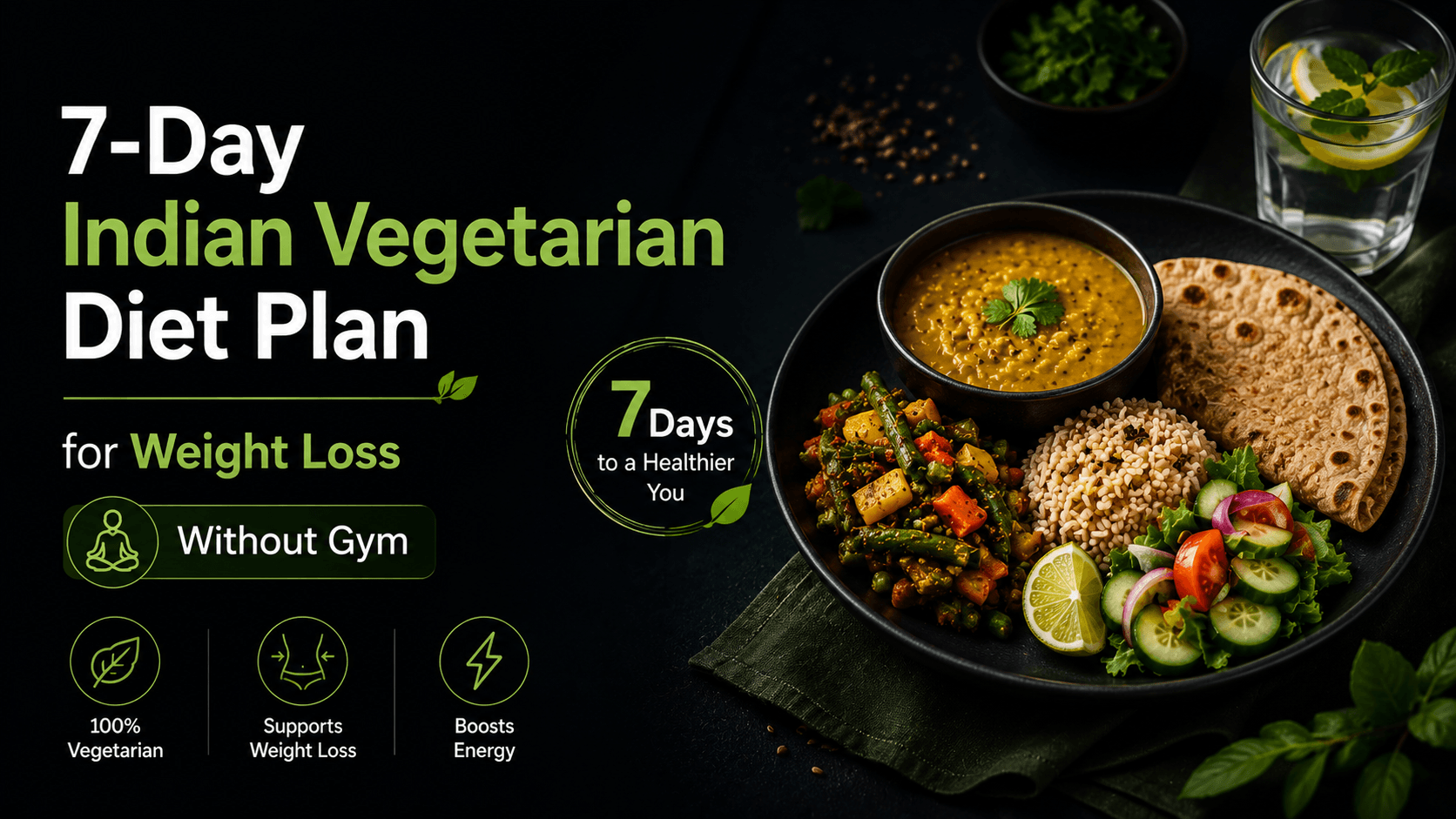 Diet Plans
7-Day Indian Vegetarian Diet Plan for Weight Loss Without Gym
A practical 7-day Indian vegetarian diet plan for weight loss without gym. Eat dal, roti, sabzi, and chaas the right ...
Read Article arrow_forward Healthy Lifestyle
Cellular Longevity: 5 Essential Anti-Aging Markers Guide
Want to live longer and healthier? Discover the 5 crucial cellular markers that drive anti-aging. Learn how to unders...
Read Article arrow_forward Ayurvedic Tips
 Healthcare News
Best Blood Group for Immunity and Health — What Science Really Says
Which blood group is best for immunity? Learn how blood types A, B, AB, and O differ in disease resistance, COVID ris...
Read Article arrow_forward