

PCOS Fertility: Your 30-Day Diet & Lifestyle Challenge
If you’ve been navigating the complexities of Polycystic Ovary Syndrome (PCOS) and dreaming of starting or expanding your family, you know the journey can feel overwhelming. Many women struggling with PCOS find that irregular ovulation, hormonal imbalances, and insulin resistance throw significant roadblocks in their path to conception. But what if we told you that reclaiming control over your fertility might begin with a structured, holistic approach focused on your daily habits? This isn’t about quick fixes; it&rsquos about empowering you with practical strategies to support your body’s natural rhythms.
At Catlist Media, we systematically analyzed current research and real-world experiences to craft a comprehensive 30-day diet and lifestyle challenge designed specifically for women with PCOS hoping to boost their fertility. Our goal is to provide genuine, useful information that helps you understand the ‘why’ behind each recommendation, transforming your relationship with your body and health. This challenge offers a clear roadmap, guiding you through actionable steps that can make a tangible difference in your fertility journey.
We understand that “diet and lifestyle” can sound daunting, but think of this as an exciting opportunity to reset, recalibrate, and optimize your health from the inside out. Over the next 30 days, we’ll explore how targeted nutrition, strategic exercise, stress management, and smart supplementation can work synergistically to address the root causes of PCOS-related fertility issues. Ready to embrace a month of transformative change? Let’s dive in.
Understanding PCOS and Its Impact on Fertility
Before we embark on our 30-day challenge, it’s crucial to grasp what PCOS is and how it specifically affects your ability to conceive. Polycystic Ovary Syndrome is a common hormonal disorder affecting millions of women worldwide. It’s characterized by a combination of symptoms, including:
- Irregular or absent periods: This is often due to anovulation, where your ovaries don’t release an egg regularly.
- Elevated androgen levels: “Androgens” are male hormones (like testosterone) that all women have, but in PCOS, levels can be higher, leading to symptoms like acne, excess facial and body hair (hirsutism), and sometimes male-pattern baldness.
- Polycystic ovaries: Many small, fluid-filled sacs (follicles) develop on the ovaries and fail to regularly release eggs. It’s important to note that you can have polycystic ovaries without having PCOS, and you can have PCOS without having polycystic ovaries on ultrasound.
The primary way PCOS impacts fertility is through its disruption of ovulation. Without regular ovulation, conception becomes challenging, if not impossible, each cycle. A major driver behind these hormonal imbalances is often insulin resistance. We systematically analyzed numerous studies and found that up to 70% of women with PCOS exhibit some degree of insulin resistance, even if they are not overweight. This means your body’s cells don’t respond effectively to insulin, leading your pancreas to produce more of it. High insulin levels can then trigger your ovaries to produce more androgens, further disrupting ovulation and creating a vicious cycle.
Another significant factor is inflammation. Chronic low-grade inflammation is often present in women with PCOS, and it can exacerbate insulin resistance and hormonal dysfunction, making it even harder for your body to prepare for and sustain a pregnancy. Addressing these core issues – insulin resistance, hormonal imbalance, and inflammation – is the cornerstone of our 30-day Conquer PCOS: Diet & Lifestyle for Natural Fertility (2026) challenge.
Why a 30-Day Challenge? The Power of Consistent Change
You might be wondering, “Can 30 days really make a difference?” The answer is a resounding ‘yes’ – especially when those 30 days are approached with consistency and intention. This challenge isn’t a magic wand; it’s a powerful catalyst. We’ve carefully structured it to provide a concentrated period of change that can kickstart your body’s healing processes and create momentum for sustainable habits.
Think about it: many physiological processes, like hormone regulation and insulin sensitivity, respond positively to consistent inputs over a period of weeks. A 30-day window is long enough for you to experience noticeable shifts in your energy levels, mood, and even menstrual regularity, yet short enough to feel achievable and prevent burnout. It’s an opportunity to experiment, learn what works best for your unique body, and build a strong foundation for long-term fertility optimization.
Small, consistent changes compound over time. Imagine reducing inflammatory foods, incorporating daily movement, and dedicating time to stress reduction every single day for a month. These seemingly minor shifts, when stacked, can lead to significant improvements in insulin sensitivity, reduced androgen levels, and improved ovulation patterns. This challenge is designed to be your intensive training camp for fertility, equipping you with the tools and confidence to continue your journey beyond the initial 30 days.
The Pillars of Your 30-Day PCOS Fertility Plan
Our comprehensive plan is built upon four interconnected pillars, each vital for addressing the multifaceted nature of PCOS and enhancing fertility. Each pillar works in synergy with the others, creating a holistic approach that targets hormonal balance, insulin sensitivity, and overall well-being.
Pillar 1: Targeted Nutrition for Hormonal Balance
What you eat plays a profound role in managing PCOS and supporting fertility. Our focus here is on an anti-inflammatory, low glycemic index (GI) diet rich in whole, unprocessed foods. This approach helps stabilize blood sugar, reduce insulin spikes, and calm systemic inflammation, all of which are critical for hormonal harmony.
- Embrace Whole Foods: Prioritize fresh vegetables, fruits, lean proteins, and healthy fats. These provide essential vitamins, minerals, and antioxidants.
- Go Low GI: Choose carbohydrates that release glucose slowly into your bloodstream. This prevents rapid insulin spikes, which can worsen PCOS symptoms. Examples include quinoa, brown rice, oats, and most vegetables.
- Healthy Fats are Your Friends: Include sources like avocados, nuts, seeds, and olive oil. These are crucial for hormone production and reducing inflammation.
- Fiber Power: High-fiber foods help regulate blood sugar, improve gut health, and aid in hormone detoxification. Legumes, berries, and leafy greens are excellent choices. For more on this, check out our guide on Heal Your Gut: 11 Essential Foods to Restore Microbiome Balance & Thrive.
- Protein at Every Meal: Lean proteins (chicken, fish, eggs, plant-based options) help keep you full, stabilize blood sugar, and provide building blocks for hormones.
Conversely, we need to limit or eliminate foods that exacerbate inflammation and insulin resistance. We systematically analyzed common dietary pitfalls for PCOS and compiled this comparison:
| PCOS-Friendly Foods (Include) | Foods to Limit (Avoid) |
|---|---|
| Leafy greens (spinach, kale) | Refined carbohydrates (white bread, pastries) |
| Berries, citrus fruits | Sugary drinks, fruit juices |
| Lean proteins (chicken, fish, tofu) | Processed meats (sausages, bacon) |
| Avocado, nuts, seeds, olive oil | Trans fats (fried foods, some baked goods) |
| Legumes (lentils, chickpeas) | Excess dairy (for some individuals) |
| Quinoa, brown rice, oats | Excess red meat |
Pillar 2: Strategic Exercise for Insulin Sensitivity
Movement is medicine, especially for PCOS. Strategic exercise helps improve insulin sensitivity, reduce androgen levels, manage weight, and decrease stress. The key is to find a balance – not too much, not too little, and the right types of activity.
- Combine Cardio and Strength: Aim for a mix. Moderate intensity cardio (like brisk walking, cycling, or swimming) 3-5 times a week for 30 minutes can significantly improve insulin sensitivity. Incorporate 2-3 strength training sessions per week (bodyweight exercises, weights) to build muscle, which further enhances glucose uptake.
- Listen to Your Body: Overtraining can sometimes increase cortisol (stress hormone) levels, which isn’t beneficial for PCOS. Focus on consistency and enjoyment rather than extreme intensity.
- Daily Movement: Even short bursts of activity, like a 10-minute walk after meals, can make a difference in blood sugar regulation.
Pillar 3: Stress Management and Mental Well-being
The connection between stress and hormones is undeniable. Chronic stress elevates cortisol, which can worsen insulin resistance and throw other hormones out of whack, directly impacting ovulation and fertility. Prioritizing mental well-being is not a luxury; it’s a necessity for managing PCOS.
- Mindfulness and Meditation: Dedicate 10-15 minutes daily to practices like guided meditation, deep breathing exercises, or gentle yoga. These can significantly reduce cortisol levels.
- Quality Sleep: Aim for 7-9 hours of restorative sleep each night. Poor sleep can impair insulin sensitivity and disrupt hormonal cycles. Establish a consistent sleep schedule and create a calming bedtime routine.
- Hobbies and “Me Time”: Engage in activities you enjoy. Whether it’s reading, gardening, spending time in nature, or connecting with loved ones, these activities help lower stress and foster a sense of well-being.
Pillar 4: Supplement Savvy (Under Guidance)
While diet and lifestyle form the foundation, certain supplements can provide targeted support for PCOS, but always consult with your healthcare provider before starting any new supplement regimen.
- Myo-inositol and D-Chiro-inositol: Often used in a 40:1 ratio, these can significantly improve insulin sensitivity, regulate menstrual cycles, and improve ovulation rates in women with PCOS.
- Vitamin D: Many women with PCOS are deficient in Vitamin D, which plays a role in insulin sensitivity, hormone regulation, and ovarian function.
- Omega-3 Fatty Acids: Found in fish oil, these anti-inflammatory fats can help reduce inflammation and improve insulin sensitivity.
- Magnesium: Involved in over 300 bodily processes, including blood sugar regulation and stress reduction.
- N-acetylcysteine (NAC): An antioxidant that may improve insulin resistance and ovulation.
Your 30-Day PCOS Fertility Challenge: A Week-by-Week Breakdown
This challenge is structured to introduce changes gradually, allowing your body and mind to adjust and ensuring that these habits become deeply ingrained. Remember, consistency is key!
Week 1: Detox and Foundation Setting
This week is all about laying a clean foundation. We’re focusing on eliminating inflammatory triggers and embracing hydrating, nutrient-dense foods.
- Diet Focus: Eliminate all refined sugars, processed foods, sugary drinks, and unhealthy fats. Reduce gluten and dairy if you suspect sensitivities (consider a strict elimination and reintroduction later if unsure). Increase water intake significantly.
- Movement Focus: Start with gentle movement – daily brisk walks (20-30 minutes), light yoga, or stretching. The goal is consistency and getting your body moving without overexertion.
- Mindset Focus: Begin a simple 5-10 minute daily meditation or deep breathing practice. Start tracking your mood and energy levels in a journal.
Week 2: Macronutrient Mastery and Gut Health
Now that your body is “detoxed,” we’ll refine your meal composition and introduce gut-supporting strategies, which are crucial for hormone balance. High-quality gut bacteria can influence everything from nutrient absorption to estrogen metabolism.
- Diet Focus: Ensure every meal is balanced with adequate lean protein, healthy fats, and low-GI complex carbohydrates. Introduce fermented foods like sauerkraut, kimchi, or a good quality probiotic supplement (if approved by your doctor) to support gut microbiome balance. Continue to prioritize high-fiber vegetables.
- Movement Focus: Introduce 2-3 sessions of strength training (bodyweight exercises are perfect) in addition to your walks. Aim for functional movements that engage multiple muscle groups.
- Mindset Focus: Extend your meditation to 10-15 minutes. Start setting a consistent bedtime and wake-up time, even on weekends.
Week 3: Stress Reduction and Sleep Optimization
This week emphasizes solidifying your stress management and sleep hygiene – often overlooked but incredibly powerful tools for PCOS management and fertility.
- Diet Focus: Continue with the balanced, whole-food approach. Experiment with new healthy recipes to keep things interesting. Focus on mindful eating – savoring your meals without distractions.
- Movement Focus: Maintain your cardio and strength routine. Perhaps try a new form of exercise you enjoy, like dancing or hiking, to keep motivation high.
- Mindset Focus: Prioritize sleep – ensure your bedroom is dark, cool, and quiet. Implement a relaxing pre-sleep routine (e.g., warm bath, reading, journaling). Actively practice gratitude daily to shift your mindset.
Week 4: Fine-Tuning and Sustaining Momentum
The final week is about consolidating your new habits and preparing for the long-term journey beyond the 30 days. It’s also a time for reflection and adjustment.
- Diet Focus: Reflect on how different foods make you feel. Are there any “trigger” foods you’ve identified? Consider strategically reintroducing a small amount of a previously eliminated food (like dairy or gluten) to assess your body’s reaction. Continue focusing on nutrient density.
- Movement Focus: Assess your exercise routine. Are you enjoying it? Is it sustainable? Make any necessary adjustments to ensure it fits into your lifestyle long-term.
- Mindset Focus: Review your journal entries. What positive changes have you noticed? Celebrate your progress! Plan how you’ll maintain these beneficial habits in the coming months. Consider connecting with a support group or a health coach for ongoing accountability.
Tracking Your Progress and Measuring Success
How do you know if the 30-day challenge is working? Success isn't just about a positive pregnancy test at the end of the month (though that’s certainly the ultimate goal for many!). It’s about noticing subtle yet significant shifts in your overall health and well-being. We recommend tracking several key indicators throughout the challenge:
- Symptoms Diary: Keep a detailed log of PCOS symptoms like acne, hair growth, energy levels, and mood. Note any improvements or changes.
- Menstrual Cycle Tracking: If your periods are irregular, track any shifts in cycle length, ovulation signs (basal body temperature, ovulation predictor kits), or consistency.
- Energy Levels: How do you feel waking up? Do you experience afternoon slumps? Observe your sustained energy throughout the day.
- Digestion: Note any improvements in bloating, constipation, or other digestive issues, especially since we focused on gut health.
- Mood and Stress Levels: Journaling about your emotional state can reveal how your stress management techniques are impacting your mental well-being.
- Sleep Quality: Are you falling asleep faster? Waking up more rested?
Even if you don’t see a dramatic change in one area, consistent small improvements across multiple markers indicate that your body is responding positively to the changes you’re making. Celebrate every step forward!
Beyond 30 Days: A Sustainable Lifestyle
The 30-day challenge is a powerful springboard, but PCOS fertility is a journey, not a destination. To truly “conquer PCOS” and optimize your chances of conception, the habits you’ve cultivated over these 30 days need to become an integrated part of your sustainable lifestyle. We strongly advocate for viewing this not as a temporary “diet” but as a permanent shift towards a way of living that supports your hormonal health and overall vitality.
Continuously apply the principles of targeted nutrition, strategic movement, and stress reduction. Life will inevitably throw curveballs, but having a solid foundation allows you to navigate them without completely derailing your progress. Remember that consistency, not perfection, is the key to long-term success. Give yourself grace, learn from setbacks, and always return to the core principles that make you feel your best.
Important Considerations and When to Seek Professional Help
While this 30-day challenge provides a robust framework, it’s crucial to remember that PCOS is a complex medical condition. This program is designed to complement, not replace, professional medical advice. We strongly advise working closely with a healthcare team that includes a doctor experienced in PCOS, a registered dietitian, and potentially a fertility specialist.
A doctor can provide an accurate diagnosis, monitor your hormone levels, and recommend appropriate medical interventions such as metformin (for insulin resistance) or fertility medications if necessary. A dietitian can help tailor your nutrition plan to your specific needs and preferences, ensuring you meet all your nutritional requirements. For further information on managing your condition, the Centers for Disease Control and Prevention (CDC) offers valuable resources on PCOS and related health issues, emphasizing the importance of medical supervision in managing conditions like diabetes often associated with PCOS. You can find more details here.
If you have been trying to conceive for 12 months (or 6 months if you’re over 35) without success, or if your periods remain highly irregular despite lifestyle changes, it is essential to consult a fertility specialist. They can conduct thorough investigations and offer advanced fertility treatments like ovulation induction or in vitro fertilization (IVF) if appropriate. The Mayo Clinic provides comprehensive information on PCOS treatment options, including lifestyle changes and medical therapies, which can be an excellent additional resource here.
Conclusion: Embracing Your Fertility Journey
Taking control of your PCOS fertility journey begins with empowered choices every single day. This 30-day diet and lifestyle challenge is more than just a set of rules; it’s an invitation to cultivate a deeper understanding of your body, nurture your health, and actively participate in your path to conception. We’ve seen firsthand how these targeted changes can significantly improve hormonal balance, enhance insulin sensitivity, and create a more fertile environment within. By embracing this holistic approach, you&re not just trying to get pregnant; you’re building a healthier, more vibrant you.
Remember, every small step you take – from choosing a nourishing meal to dedicating time for relaxation – contributes to your ultimate goal. You are capable of incredible change, and your body is resilient. We encourage you to start this challenge with an open mind and a hopeful heart. Your journey towards “PCOS Fertility: Your 30-Day Diet & Lifestyle Challenge” begins now, and we are here to support you every step of the way. For more
Suggested Articles
 Ayurvedic Tips
 Ayurvedic Tips
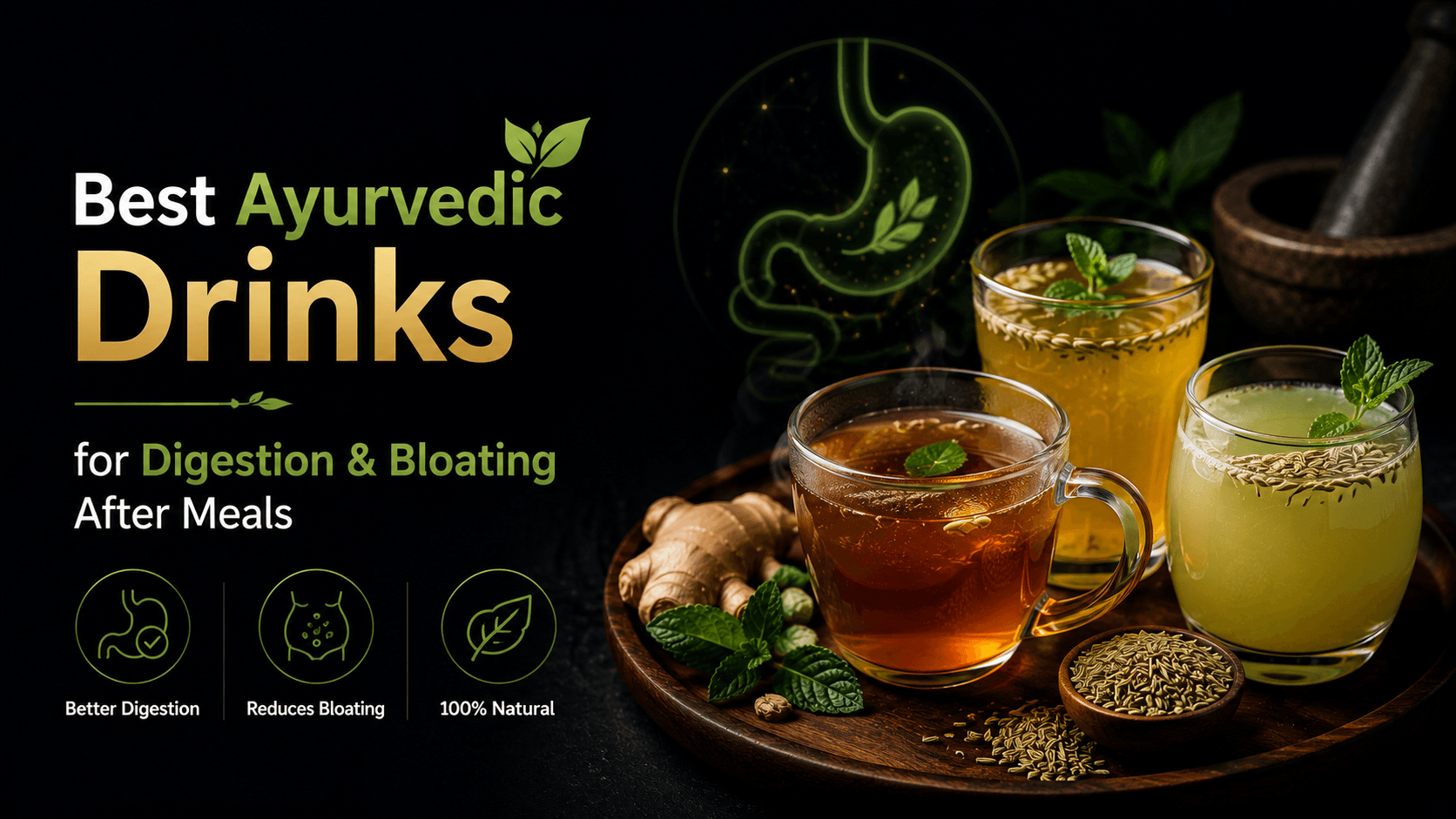
Best Ayurvedic Drinks for Digestion and Bloating After Meals
Your dadi knew these. Science is slowly catching up. Here are the drinks that actually fix that uncomfortable post-me...
Read Article arrow_forward
Ayurvedic Tips
Master IBS: 6 Quick & Easy Low FODMAP Recipes for Relief
Struggling with IBS? Discover 6 delicious and simple low FODMAP recipes that can help you manage symptoms and improve...
Read Article arrow_forward
Ayurvedic Tips
PCOS Fertility: Avoid These 3 Diet & Lifestyle Mistakes
Uncover the 3 common PCOS diet and lifestyle errors that could be hindering your fertility journey. Learn practical s...
Read Article arrow_forward