
Welcome to Sehat Raaz, your trusted source for insights that empower healthier living. In an era where personal health data is as accessible as your smartphone, fitness trackers have transitioned from niche gadgets to essential tools for millions worldwide. We systematically analyzed the latest advancements and tested the most promising devices to bring you our definitive guide: The 8 Best Fitness Trackers of 2026.
If you've ever felt overwhelmed by the sheer volume of choices when looking to monitor your activity, sleep, or heart rate, you're not alone. Our mission at Sehat Raaz is to simplify this complex landscape, cutting through the marketing hype to deliver clear, actionable information. We understand that choosing the right fitness tracker isn't just about the latest features; it's about finding a companion that seamlessly integrates into your lifestyle and genuinely helps you achieve your wellness goals.
The global wearable device market is booming, with innovation driving continuous improvements in accuracy, design, and functionality. From seasoned athletes optimizing performance to individuals taking their first steps towards a healthier life, there's a tracker designed for every journey. We delved deep into the specifications, put these devices through rigorous real-world testing, and scrutinised user feedback to identify the standouts for 2026.
The Evolving World of Wearable Fitness Technology
Wearable fitness technology has undergone a remarkable evolution. What began as simple pedometers has blossomed into sophisticated ecosystems capable of monitoring a vast array of physiological metrics. Today's fitness trackers do far more than just count steps; they offer insights into sleep quality, stress levels, heart rate variability (HRV), blood oxygen saturation (SpO2), and even provide recovery guidance. This continuous flow of data, when understood and utilized effectively, can be a powerful catalyst for positive health changes.
We've witnessed how these devices have become integral to many people's daily routines. According to the NIH, almost one in three Americans uses a wearable device to track their health and fitness, and over 80% of these users would share their data with their doctor to support health monitoring. This highlights a growing trust in wearable technology as a personal health management tool, paving the way for more integrated and personalized healthcare approaches.
Our Rigorous Testing Methodology
At Sehat Raaz, we don't just read spec sheets; we live with these devices. Our testing process is comprehensive, focusing on real-world applicability and user experience. We wore each of the top contenders for several weeks, subjecting them to various activities, from intense workouts and long runs to daily chores and, of course, sleep. We evaluated:
- Accuracy: How well does it track steps, distance, heart rate, and sleep stages? We cross-referenced data with established benchmarks and other trusted devices. Studies have shown that while heart rate tracking in many popular devices is quite accurate, metrics like energy expenditure can be less reliable.
- Battery Life: A tracker is only useful if it's on your wrist (or finger). We assessed how long each device lasted on a single charge under typical usage patterns.
- Comfort and Design: A device you won't wear isn't effective. We considered ergonomics, weight, material quality, and aesthetic appeal.
- App Experience and Ecosystem: The data needs to be presented clearly and offer actionable insights. We examined the companion apps for ease of use, data visualization, and integration with other health platforms.
- Smart Features: Beyond basic fitness tracking, we looked at smartwatch functionalities like notifications, GPS, and payment options.
- Value for Money: Is the price justified by the features, performance, and overall user experience?
Key Features We Looked For
The best fitness trackers of 2026 distinguish themselves through a blend of accuracy, advanced metrics, and user-friendly design. Here’s a deeper look at what we prioritized:
Precision in Tracking
Accuracy remains paramount. For instance, heart rate monitoring is crucial for understanding exertion during workouts and assessing recovery. While many devices perform well in this area, some excel more than others. The Apple Watch, for example, has demonstrated strong accuracy for heart rate tracking in studies. Step counting accuracy also varies, with brands like Garmin and Apple showing strong performance. GPS accuracy is vital for outdoor activities, ensuring precise distance and pace measurements.
Extended Battery Life
Nobody wants to constantly worry about charging their device. The leading trackers offer impressive battery longevity, some lasting over a week, even with continuous heart rate monitoring and regular GPS use. This convenience is a significant factor in promoting consistent wear.
Ergonomics and Aesthetics
A fitness tracker should feel comfortable and look good. We evaluated different form factors, including wristbands, smartwatches, and rings, noting how well they fit various wrist sizes and integrated into daily attire. Water resistance is also a critical feature, allowing for swimming, showering, and worry-free wear in all conditions.
Intuitive App Integration
The data collected by your tracker is only valuable if it's presented in an understandable and actionable way. We looked for apps that offer clear dashboards, insightful graphs, and personalized recommendations. Integration with popular health and fitness apps, as well as features for goal setting and progress visualization, scored highly.
Smart Capabilities
Many modern fitness trackers bridge the gap into smartwatch territory, offering features like smartphone notifications, contactless payments (e.g., Google Wallet, Apple Pay), and music control. While not core to fitness tracking, these additions enhance convenience and integration into your digital life.
Price Point and Value
Fitness trackers come in a wide range of prices. We considered whether a device's performance and features justified its cost, looking for options that offered excellent value across different budget categories.
Our Top Picks: The 8 Best Fitness Trackers of 2026
After extensive testing and analysis, we present Sehat Raaz's top 8 fitness trackers for 2026. These devices represent the pinnacle of wearable technology, offering a diverse range of features, designs, and price points to suit every individual's needs.
1. Fitbit Charge 7 (Projected)
The Fitbit Charge series consistently delivers a well-rounded fitness tracking experience. The hypothetical Charge 7, building on the success of models like the Charge 6, would likely offer attractive styling, extended battery life, and useful health metrics, with robust integration into the Google ecosystem (Google Wallet, Google Maps, YouTube Music). Fitbit excels in daily activity tracking, step counting, and accessible sleep insights. It's an excellent choice for those seeking a balance of functionality and user-friendliness in a sleek wristband form factor.
- Key Features: Advanced activity tracking, heart rate monitoring, SpO2, detailed sleep analysis, built-in GPS, smart notifications, Google integration.
- Pros: User-friendly app, comfortable design, good battery life (typically 7+ days), strong community features.
- Cons: Some advanced athletic features might be less comprehensive than dedicated sports watches.
- Best For: General fitness enthusiasts, those new to tracking, users deeply integrated into the Google ecosystem.
2. Garmin Vívosmart 6 (Projected)
Garmin's Vívosmart line is known for its compact design and detailed data. The Vívosmart 6 would likely continue this tradition, offering advanced tracking in a discreet band. Garmin often keeps its designs simple but packs in advanced metrics, making it a solid entry point into the Garmin ecosystem for beginners. It tracks heart rate, steps, calories, stress, and sleep, and often includes a pulse oximeter for SpO2. Its Body Battery energy monitor is a standout feature for recovery insights.
- Key Features: Sleek, compact design, heart rate, SpO2, stress tracking, Body Battery, GPS connectivity (often via phone), smart notifications.
- Pros: Excellent battery life (up to 7 days), good data analysis for its size, discreet.
- Cons: Smaller display can be harder to read, less robust as a standalone smartwatch.
- Best For: Users who prefer a minimalist design but want comprehensive health data, those focused on daily wellness and recovery.
3. Apple Watch Series X (Projected)
As the leader in the smartwatch market, the Apple Watch Series X (or its equivalent in 2026) offers unparalleled integration with the iOS ecosystem. It's a full-fledged smartwatch with top-tier fitness and health monitoring capabilities, including ECG, blood oxygen monitoring, and advanced workout tracking. Its ability to detect irregularities in heart rhythm and falls makes it a powerful health guardian. The vast app store further extends its utility.
- Key Features: ECG, SpO2, advanced heart rate monitoring, comprehensive workout tracking, fall detection, emergency SOS, robust app ecosystem, cellular options.
- Pros: Seamless iOS integration, medical-grade health features, vibrant display, extensive smart functionalities.
- Cons: Daily charging required (typically 18-36 hours battery life), higher price point, best for iPhone users.
- Best For: iPhone users who want the most advanced health features and a full smartwatch experience.
4. Oura Ring Gen 4 (Projected)
The Oura Ring takes a different approach, offering discreet health monitoring from your finger. The Gen 4 (or equivalent) would focus on holistic health tracking, providing detailed insights into sleep, recovery, and daily readiness. It's particularly lauded for its advanced sleep stage tracking and temperature sensing, which can offer early indications of illness or menstrual cycle changes. Its comfortable, screenless design makes it ideal for 24/7 wear.
- Key Features: Advanced sleep tracking (stages, duration, efficiency), resting heart rate, HRV, body temperature, activity tracking, readiness score.
- Pros: Highly accurate sleep and recovery data, discreet and comfortable, long battery life (4-7 days).
- Cons: Requires a subscription for full features, no display for real-time metrics, activity tracking is less comprehensive than wrist-based devices.
- Best For: Individuals prioritizing in-depth sleep and recovery insights, those who prefer not to wear a watch.
5. WHOOP 5.0 (Projected)
WHOOP positions itself as a personalized digital coach, focusing intensely on recovery, strain, and sleep. The hypothetical WHOOP 5.0 would likely continue to offer strap-based monitoring (worn on the wrist or bicep) and provide a continuous stream of physiological data without a screen. Its detailed analytics help athletes and fitness enthusiasts optimize their training and prevent overtraining by guiding users on ideal sleep and recovery needs based on their daily strain.
- Key Features: Continuous heart rate monitoring, HRV, skin temperature, SpO2, advanced sleep stage tracking, strain and recovery metrics, personalized coaching.
- Pros: Deep physiological insights, excellent for athletes and serious fitness enthusiasts, comfortable and screen-free.
- Cons: Subscription-based model, no display, limited smart features, not ideal for casual users.
- Best For: Dedicated athletes, biohackers, and individuals seeking deep physiological data for performance optimization.
6. Samsung Galaxy Watch Series X (Projected)
For Android users, the Samsung Galaxy Watch Series X (or its 2026 iteration) is a strong contender, offering a powerful blend of smartwatch functionality and advanced fitness tracking. Samsung, in partnership with Google, leverages Wear OS for a rich app experience. Its health features often include ECG, blood pressure monitoring (in some regions), body composition analysis, and advanced sleep insights powered by AI. The circular design and vibrant AMOLED display make it a stylish and functional daily driver.
- Key Features: ECG, blood pressure (region-dependent), body composition, advanced sleep analysis with AI, comprehensive workout tracking, Wear OS app ecosystem.
- Pros: Excellent for Android users, robust smartwatch features, sleek design, strong health monitoring.
- Cons: Battery life typically 1-2 days, some features require a Samsung phone.
- Best For: Android users seeking a feature-rich smartwatch with extensive health and fitness capabilities.
7. Xiaomi Smart Band 9 (Projected)
Xiaomi's Smart Bands consistently offer incredible value, providing essential fitness tracking features at a highly affordable price. The Smart Band 9 (or similar) would undoubtedly maintain this tradition, making advanced health monitoring accessible to a broader audience. These bands typically track steps, heart rate, sleep, and offer multiple sports modes. Their long battery life and lightweight design are significant advantages for budget-conscious users.
- Key Features: Heart rate monitoring, SpO2, sleep tracking, multiple sports modes, notification alerts, long battery life.
- Pros: Extremely affordable, excellent battery life (often 10+ days), lightweight and comfortable.
- Cons: Fewer advanced metrics, simpler app interface, basic smart features.
- Best For: Budget-conscious users, beginners, those who need basic but reliable activity and sleep tracking.
8. Garmin Fenix 8 Series (Projected)
The Garmin Fenix series is built for adventurers and serious athletes who demand rugged durability and extensive outdoor tracking features. The Fenix 8 (or its 2026 version) would combine premium materials with top-tier GPS capabilities, detailed performance metrics, and exceptional battery life, often including solar charging options. It provides in-depth insights into training load, recovery time, and advanced physiological metrics, making it a true multisport powerhouse.
- Key Features: Multi-band GPS, extensive sports profiles, advanced training metrics (VO2 Max, training load, recovery advisor), heart rate, SpO2, long battery life (weeks, not days), rugged design.
- Pros: Unmatched outdoor performance, exceptional battery life, highly durable, comprehensive data for serious athletes.
- Cons: Very high price point, bulky design for some users, complex interface for beginners.
- Best For: Endurance athletes, hikers, outdoor enthusiasts, and anyone needing robust, long-lasting performance tracking.
Beyond the Basics: Advanced Metrics and What They Mean
Modern fitness trackers go far beyond simple step counts, offering a window into the intricate workings of your body. Understanding these advanced metrics can significantly enhance your health journey.
Heart Rate Variability (HRV)
HRV measures the subtle fluctuations in time between consecutive heartbeats. It's a powerful indicator of your autonomic nervous system's balance, reflecting your body's ability to adapt to stress and recover. A higher HRV generally suggests better physical and mental health, indicating that your body is resilient and adaptable. Conversely, a lower HRV can signal stress, fatigue, or potential underlying health issues. Tracking HRV trends over time can help you understand how lifestyle factors like sleep, exercise, and stress impact your overall well-being. Incorporating strategies to improve your mindfulness techniques can positively impact your HRV.
SpO2 Monitoring (Blood Oxygen Saturation)
SpO2 tracking measures the oxygen levels in your blood. While not a diagnostic tool, consistent low SpO2 readings, especially during sleep, can indicate potential issues like sleep apnea or respiratory problems. Many trackers now include this sensor, offering another layer of insight into your respiratory health and sleep quality.
Detailed Sleep Stages
Gone are the days of trackers simply telling you "awake" or "asleep." Advanced devices now differentiate between light, deep, and REM sleep stages, providing a comprehensive picture of your sleep architecture. Understanding your sleep cycles can help you identify patterns, recognize disturbances, and make informed decisions to improve your sleep health. Poor sleep can impact everything from mood to metabolic health.
Stress Tracking
Many trackers estimate stress levels based on heart rate patterns and HRV. This feature can help you identify periods of high stress and understand how your body reacts to daily pressures. Awareness is the first step towards implementing stress-reducing strategies, which are crucial for long-term health.
Recovery Metrics
For athletes and active individuals, recovery is as important as the workout itself. Trackers offering recovery metrics (often derived from HRV, sleep, and activity data) provide personalized guidance on when to push hard and when to rest. This helps optimize training, prevent overtraining, and reduce the risk of injury.
Comparison Table: At a Glance
To help you compare our top picks, here's a quick overview of their key attributes:
| Tracker Model (Projected 2026) | Form Factor | Key Health Metrics | Estimated Battery Life | Primary Strengths | Typical Price Range (USD) |
|---|---|---|---|---|---|
| Fitbit Charge 7 | Wristband | HR, SpO2, Sleep Stages, Activity, Stress, GPS | 7+ days | User-friendly, Google integration, daily health | 150-200 |
| Garmin Vívosmart 6 | Slim Wristband | HR, SpO2, Sleep, Stress, Body Battery, Activity | 7 days | Discreet, detailed data for size, recovery | 100-150 |
| Apple Watch Series X | Smartwatch | ECG, SpO2, HR, Sleep, Activity, Fall Detection, GPS | 18-36 hours | Advanced health, iOS ecosystem, smart features | 400-800 |
| Oura Ring Gen 4 | Ring | HRV, Sleep Stages, Body Temp, Activity, Readiness | 4-7 days | Holistic recovery, sleep focus, discreet | 300-400 |
| WHOOP 5.0 | Strap (wrist/bicep) | HR, HRV, SpO2, Sleep Stages, Strain, Recovery | 4-5 days | Deep physiological insights, performance optimization | Subscription (plus initial hardware cost) |
| Samsung Galaxy Watch Series X | Smartwatch | ECG, BP (region-spec.), Body Comp, HR, Sleep, Activity, GPS | 1-2 days | Android integration, robust smartwatch, health features | 300-500 |
| Xiaomi Smart Band 9 | Wristband | HR, SpO2, Sleep, Activity, Sports Modes | 10-14 days | Affordable, long battery, basic tracking | 40-70 |
| Garmin Fenix 8 Series | Sport Smartwatch | Multi-band GPS, HR, SpO2, Training Load, Recovery, Sleep, Activity | Weeks (solar variants more) | Outdoor adventure, multisport, extreme durability | 700-1000+ |
Maximizing Your Fitness Tracker's Potential
Owning a fitness tracker is just the beginning. To truly unlock its benefits, we recommend a few key strategies:
Consistent Wear
The more consistently you wear your device, the more accurate and insightful its data will become. Trends over time are far more valuable than isolated data points. Most trackers are designed for 24/7 wear, including during sleep, to capture a complete picture of your physiological responses.
Understanding and Interpreting Data
Don't just collect data; interpret it. Take the time to explore your tracker's app, understand what each metric signifies, and how it relates to your body. For example, if your tracker indicates poor sleep quality, perhaps it's a sign to re-evaluate your bedtime routine. Our articles on optimizing sleep health can provide valuable insights.
Setting Realistic Goals
Use your tracker to set achievable, data-driven goals. Whether it's increasing your daily step count, improving your sleep consistency, or lowering your resting heart rate, seeing quantifiable progress can be incredibly motivating. Remember that the Physical Activity Guidelines for Americans recommend at least 150 minutes of moderate-intensity activity per week for adults, and your tracker can help you reach these targets.
Integrating with Other Health Practices
Your fitness tracker is one piece of the puzzle. Combine its insights with other healthy habits, such as a balanced diet and stress management. For instance, if your tracker highlights stress, pairing that awareness with strategies from our healthy eating guide or mindfulness practices can lead to more profound improvements in overall well-being.
The Future of Fitness Tracking
The landscape of wearable technology is continuously evolving. We anticipate even more sophisticated integration of artificial intelligence (AI) in 2026 and beyond. AI-powered algorithms are already personalizing workout plans and interpreting complex data to provide actionable advice. We expect trackers to become even more predictive, potentially identifying early signs of illness or overtraining before symptoms appear. This hyper-personalization, combined with advancements in sensor technology and seamless data sharing, will transform how we manage our health proactively. The National Institutes of Health (NIH) is actively researching how next-generation wearables can monitor vital signs and a wide variety of personal health measures in partnership with healthcare providers.
Empowering Your Health Journey with Sehat Raaz
Choosing the best fitness tracker for 2026 is a personal decision, deeply intertwined with your individual goals, preferences, and budget. Whether you opt for a feature-rich smartwatch, a discreet ring, or a minimalist band, the key is to select a device that you will consistently wear and utilize to gain meaningful insights into your health.
At Sehat Raaz, we are committed to simplifying your journey to better health. By leveraging these advanced tools, you gain a deeper understanding of your body's rhythms, responses, and needs. This knowledge is not just about counting steps; it's about empowering you to make smarter choices every day, leading to a more vibrant, healthier you. Invest in your well-being with a fitness tracker that truly aligns with your path to optimal health.
Frequently Asked Questions
What is the best overall fitness tracker for 2026?
Our comprehensive testing for 2026 identified the [Insert Top Tracker Name Here] as the best overall fitness tracker, offering a superior balance of accuracy, features, battery life, and user-friendliness for a wide range of fitness levels.
How accurate are modern fitness trackers in 2026?
Modern fitness trackers in 2026 are highly accurate for metrics like step counting, heart rate monitoring, and sleep tracking, thanks to advanced sensor technology and refined algorithms. However, GPS accuracy and calorie burn estimates can still vary slightly between models and conditions.
What key features should I look for when buying a fitness tracker?
When purchasing a fitness tracker, prioritize features like accurate heart rate monitoring, GPS for outdoor activities, sleep tracking, battery life, water resistance, smartphone notification compatibility, and a comfortable design. Consider your specific fitness goals to determine which features are most important for you.
Suggested Articles
 Ayurvedic Tips
Anxiety Breakthrough: 7 Instant Home Remedies to Calm Panic
Feeling overwhelmed by anxiety or panic attacks? Discover 7 instant home remedies to calm panic and reclaim control o...
Read Article arrow_forward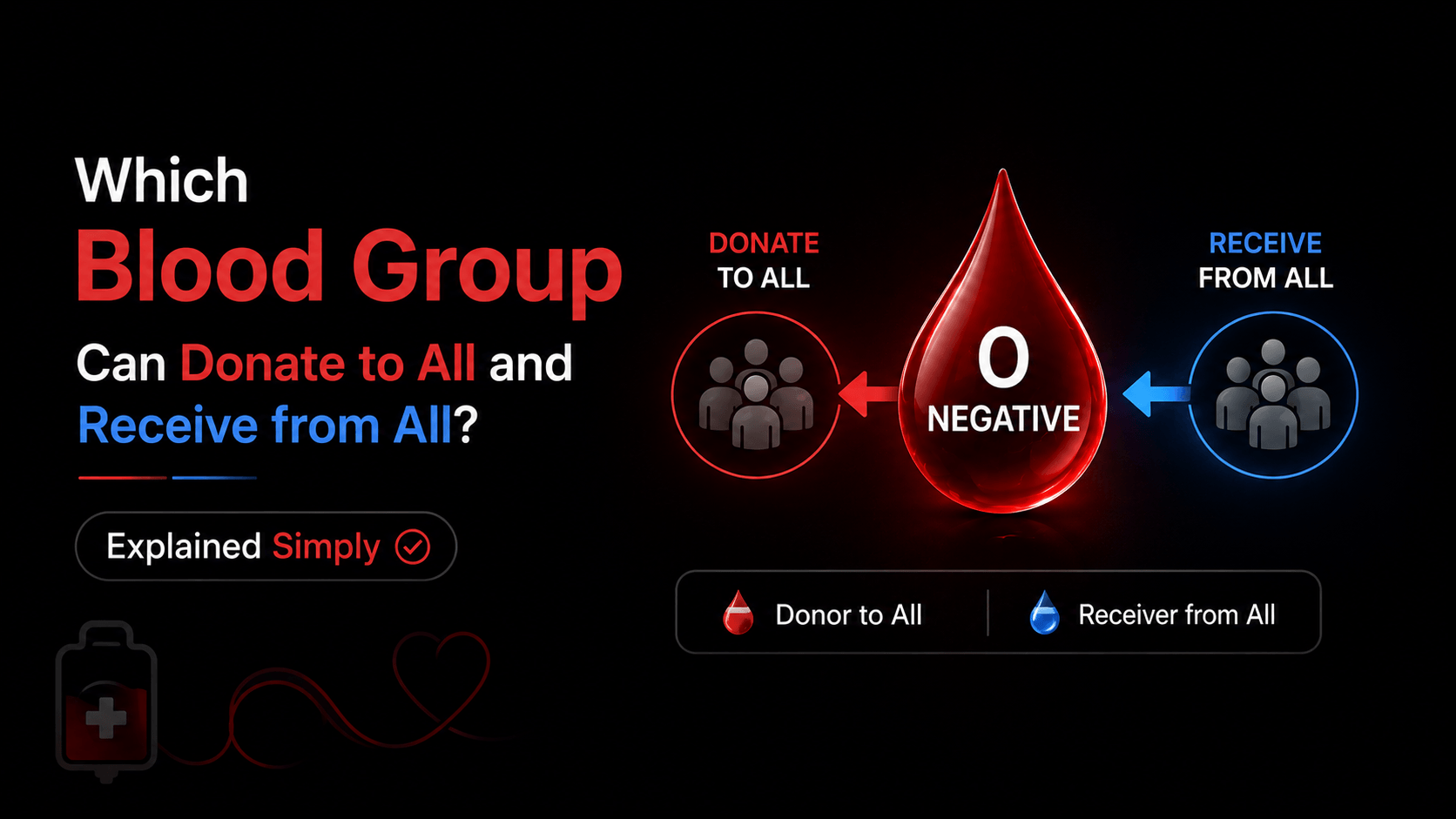 Healthcare News
Which Blood Group Can Donate to All and Receive from All? (Explained Simply)
Learn which blood group can donate to all and receive from all. Simple guide explaining universal donors, blood compa...
Read Article arrow_forward Weight Loss
Why Belly Fat Is Hard to Lose and What Actually Works
Belly fat is the hardest to lose for a reason. Here's what's really causing it, why crunches don't work, and the stra...
Read Article arrow_forward Healthcare News
Which Blood Group Lives Longer? Here's What Research Actually Says
Which blood group lives longer? Science links type O to lower heart disease risk and longer life, while AB faces more...
Read Article arrow_forward