

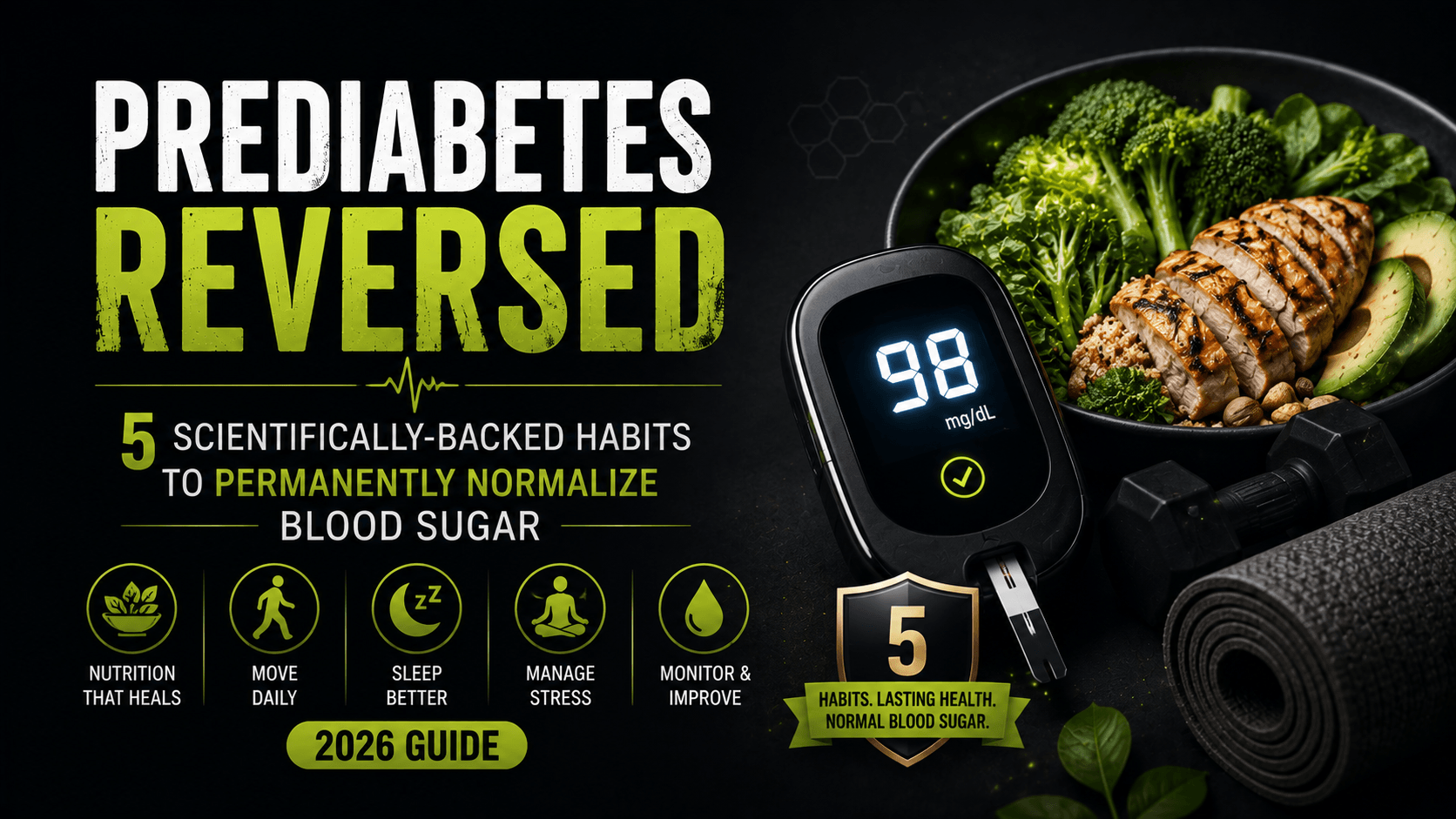
Prediabetes Reversed: 5 Scientifically-Backed Habits to Permanently Normalize Blood Sugar (2026 Guide)
At Sehat Raaz, we systematically analyzed the latest scientific research and clinical insights to bring you this comprehensive guide on reversing prediabetes. We understand that a diagnosis of prediabetes can feel daunting, like standing at a crossroads. Your blood sugar levels are higher than normal, yet not quite at the threshold for type 2 diabetes. This 'warning sign' indicates that your body isn't processing glucose as efficiently as it should, often due to insulin resistance, where your cells don't respond well to insulin. The good news? Prediabetes is not a life sentence; it's a powerful opportunity for change. With dedicated efforts and moderate lifestyle adjustments, many individuals can return their blood sugar levels to a normal range, effectively delaying or preventing the onset of type 2 diabetes. We will explore five scientifically-backed habits that can help you achieve this reversal and permanently normalize your blood sugar.
Understanding Prediabetes: A Critical Crossroads for Your Health
Prediabetes is characterized by elevated blood sugar levels that fall between normal and diabetic ranges. Specifically, the American Diabetes Association defines prediabetes by one of three criteria: a fasting plasma glucose between 100 mg/dL and 125 mg/dL, a 2-hour plasma glucose during a 75-gram Oral Glucose Tolerance Test (OGTT) between 140 mg/dL and 199 mg/dL, or a Hemoglobin A1c (HbA1c) level between 5.7% and 6.4%. For many, prediabetes remains asymptomatic, making regular screenings crucial, especially if you have risk factors such as being overweight, having an unhealthy diet, a sedentary lifestyle, high blood pressure, or a family history of diabetes.
The stakes are significant. Without intervention, an estimated 15-30% of individuals with prediabetes will develop type 2 diabetes within five years. Moreover, prediabetes significantly increases your risk for developing cardiovascular diseases like heart attacks and strokes. The good news, however, is empowering: research consistently shows that prediabetes is reversible through lifestyle interventions. Studies have shown that bringing blood sugar levels back to normal may dramatically reduce the danger posed by prediabetes, with a King's College London study finding a 58% lower risk of cardiovascular death or hospitalization for heart failure and a 42% lower risk of major heart problems for those who achieved remission. This reversal is not a quick fix; it requires a sustained commitment to healthier habits.
Habit 1: Embrace a Balanced, Nutrient-Dense Diet Plan
The cornerstone of reversing prediabetes often begins with your plate. We consistently find that dietary changes are among the most impactful interventions. Focusing on whole, unprocessed foods, rich in fiber, lean protein, and healthy fats, is paramount. Conversely, limiting refined carbohydrates, sugary drinks, and processed foods is crucial because they contribute to insulin resistance and higher blood sugar levels.
A balanced diet for prediabetes isn't about deprivation; it's about smart choices that nourish your body and stabilize your blood sugar. We encourage a focus on foods that have a low glycemic index, which means they cause a slower, more gradual rise in blood sugar. Eating fewer carbohydrates reduces the burden on the pancreas and can lower insulin resistance, sometimes even independently of weight loss.
The Power of Fiber and Lean Proteins
Fiber, particularly soluble fiber, slows down the absorption of sugar into your bloodstream, preventing sharp spikes in glucose levels. Excellent sources include vegetables, fruits (especially berries), legumes, and whole grains. Lean proteins, such as chicken, fish, beans, and tofu, help keep you feeling full, reduce cravings, and have a minimal impact on blood sugar. High-protein diets have also been shown to be effective in promoting weight loss and improving insulin sensitivity.
We've observed that portion control is equally vital. Even healthy foods can contribute to elevated blood sugar if consumed in excess. Adopting an eating pattern like the Mediterranean diet, with its emphasis on vegetables, whole grains, lean protein, and healthy fats, is often recommended for its comprehensive benefits.
Habit 2: Move Your Body Regularly with Targeted Exercise and Fitness
Physical activity is a powerful tool in your arsenal against prediabetes. We know from extensive research that regular exercise improves insulin sensitivity, meaning your body's cells become more responsive to insulin, allowing glucose to enter them more effectively. This reduces the amount of sugar circulating in your blood.
The American Diabetes Association (ADA) recommends at least 150 minutes of moderate-intensity exercise per week for effective prediabetes management. This could be as simple as a 30-minute brisk walk five days a week. Both aerobic exercise and strength training offer distinct benefits. Aerobic activities like walking, jogging, swimming, or cycling, reduce blood glucose levels and improve cardiovascular health. Strength training, on the other hand, builds muscle mass, and more muscle means more places for your body to store glucose, further contributing to stable blood sugar levels. Even without significant weight loss, exercise can enhance insulin action.
Integrating Movement into Your Daily Routine
The key is consistency, not just intensity. We advise our clients to find activities they genuinely enjoy to make exercise a sustainable habit. Short bursts of activity, like taking a 10-15 minute walk after your two largest meals, can be highly effective at blunting post-meal blood sugar spikes. High-intensity interval training (HIIT) has also shown promise, improving glucose control and reducing abdominal fat. For those leading busy lives, HIIT's shorter periods of intense exercise followed by varied recovery can be a time-saver.
Don't feel pressured to become a marathon runner overnight. Start small, perhaps with a daily 10-minute walk, and gradually increase duration and intensity as your fitness improves. Every step counts towards better glucose control and overall well-being. For more tailored advice, exploring our resources on exercise and fitness can provide you with practical strategies.
Habit 3: Prioritize Quality Sleep for Blood Sugar Regulation
Often overlooked, sufficient and restorative sleep plays a critical role in metabolic health. We have observed that chronic sleep deprivation can significantly impact your body's ability to regulate blood sugar, increasing the risk of insulin resistance, a primary driver of prediabetes and type 2 diabetes.
When you skimp on sleep, your body's hormonal balance is disrupted. Research shows that inadequate sleep can lead to increased levels of stress hormones like cortisol, which, when sustained, can lead to higher blood insulin levels and promote fat accumulation, particularly around the belly. Moreover, sleep deprivation affects appetite-regulating hormones, potentially leading to increased food cravings and overeating. Poor sleep quality has been associated with increased blood glucose levels in people with prediabetes.
Improving Your Sleep Hygiene
Aim for 7 to 8 hours of quality sleep per night. We recommend establishing a consistent sleep schedule, even on weekends. Create a relaxing bedtime routine, ensure your bedroom is dark, quiet, and cool, and limit screen time before bed. Avoiding heavy meals, caffeine, and alcohol close to bedtime can also make a significant difference. If you suspect you have a sleep disorder like sleep apnea, which is linked to impaired glucose control, it's essential to consult a healthcare professional.
Habit 4: Master Stress Management for Metabolic Health and Mental Well-being
In our fast-paced world, stress is an undeniable part of life, but its impact on blood sugar control is often underestimated. We've seen that chronic stress can have a direct and detrimental effect on your metabolic health. When you're stressed, your body releases hormones like cortisol, adrenaline, and epinephrine. These hormones are designed to prepare your body for a 'fight or flight' response, which includes increasing the amount of glucose in your bloodstream to provide quick energy. While this is beneficial in acute situations, persistent stress leads to chronically elevated blood sugar, contributing to insulin resistance over time.
Studies have shown a clear link between higher perceived stress levels and increased fasting glucose, even in individuals with prediabetes. Chronic stress can lead to dysregulated glucose metabolism and low-grade inflammation, further exacerbating the risk of progressing to type 2 diabetes. Furthermore, psychological stress can adversely affect health behaviors such as food choices, physical activity, and medication adherence, creating a vicious cycle.
Techniques for Cultivating Calm
Fortunately, mastering stress management is a skill you can develop. We encourage incorporating stress-reducing practices into your daily routine. Techniques such as mindfulness meditation, deep breathing exercises, yoga, or spending time in nature can significantly lower stress hormone levels. Prioritizing self-care activities that bring you joy and relaxation, whether it's reading a book, listening to music, or connecting with loved ones, is also crucial. Recognising that stress is a risk factor for prediabetes progression, targeting stress might be key in mitigating this risk. For more detailed strategies on managing stress for overall well-being, our mental health resources can offer valuable guidance.
Habit 5: Regular Monitoring and Professional Guidance for Diabetes Management
While adopting healthy habits is crucial, consistent monitoring and ongoing professional guidance are equally vital for permanently normalizing blood sugar and preventing the progression of prediabetes. We emphasize that reversing prediabetes is a journey, not a destination, and it's best navigated with the support of healthcare professionals.
Regular check-ups with your doctor are essential to monitor your progress. This typically involves periodic blood tests, including fasting blood glucose and HbA1c, which provide a snapshot of your average blood sugar levels over the past two to three months. These tests help track the effectiveness of your lifestyle changes and indicate if adjustments are needed. There is no single timeline for reversing prediabetes; for some, it may take a few months, while for others, it could take years.
Interpreting Your Numbers: What Do They Mean?
Understanding your numbers empowers you to take an active role in your health. Your doctor will interpret your A1c and fasting glucose results and help set personalized targets. While an A1c of 5.7%-6.4% indicates prediabetes, the goal for reversal is typically below 5.7%. They can also guide you on other important metrics like blood pressure and cholesterol, which are often interconnected with blood sugar control and heart health.
Working with a team of healthcare providers, which may include a doctor, a registered dietitian, and a certified diabetes educator, offers comprehensive support. These experts can provide personalized diet plans, exercise and fitness routines, and strategies for mental well-being tailored to your specific needs. Programs like the CDC-recognized National Diabetes Prevention Program (National DPP) offer structured, evidence-based lifestyle change interventions that have been shown to reduce the risk of type 2 diabetes by 58% (and 71% for those over 60 years old) through modest weight loss and increased physical activity. These programs often include group support and coaching, proving highly effective.
The Science Behind Reversal: Why These Habits Work
The efficacy of these five habits in reversing prediabetes is firmly rooted in scientific understanding of glucose metabolism and insulin sensitivity. When we embrace a balanced, nutrient-dense diet and engage in regular physical activity, we directly combat insulin resistance. Dietary changes, particularly reducing refined carbohydrates and sugar, alleviate the burden on the pancreas, which is responsible for insulin production, and directly lower blood sugar levels. Weight loss, even modest amounts (5-7% of body weight), has been consistently shown to significantly reduce the risk of progressing to type 2 diabetes and improve insulin sensitivity. In fact, the Diabetes Prevention Program (DPP) demonstrated a 58% reduction in type 2 diabetes incidence with intensive lifestyle intervention focusing on weight loss and physical activity.
Exercise, whether aerobic or strength training, makes your muscles more receptive to insulin and helps them absorb glucose from the bloodstream more efficiently, even without weight loss. It also enhances fat oxidation and improves cardiorespiratory fitness. Insufficient sleep, on the other hand, triggers hormonal imbalances that lead to increased insulin resistance and elevated blood sugar. Similarly, chronic stress hormones, like cortisol, directly increase glucose production and impair insulin function. By consciously prioritizing quality sleep and practicing stress management, we directly mitigate these detrimental physiological responses, thereby supporting healthier blood sugar levels.
These lifestyle modifications work synergistically. For instance, improved sleep often leads to better energy levels for exercise and reduced cravings, making healthy eating easier. Reduced stress can also improve sleep quality and adherence to healthy habits. This holistic approach empowers the body's natural mechanisms to restore normal glucose regulation and maintain it long-term. As outlined in a systematic review, lifestyle modification provides the strongest evidence of effectiveness for reversing prediabetes and should remain the recommended approach.
Your Journey to Normalized Blood Sugar: A Sehat Raaz Perspective
Reversing prediabetes is one of the most proactive steps you can take for your long-term health, significantly reducing your risk of developing type 2 diabetes and its associated complications, including heart disease. It's a testament to the incredible resilience of the human body when given the right support.
At Sehat Raaz, we believe in empowering you with accurate, actionable information. We've seen countless individuals transform their health by embracing these five scientifically-backed habits: a balanced diet, regular exercise, quality sleep, effective stress management, and consistent monitoring with professional guidance. This isn't about perfection, but about consistent, sustainable progress. Start small, be patient with yourself, and celebrate every step of the journey.
The path to normalized blood sugar is within your reach. Take control today, and begin your journey towards a healthier, more vibrant future. For further support and resources on managing your health, we invite you to explore more insights on Sehat Raaz.
Suggested Articles
 Women’s Health
Early Signs of PCOS Every Woman Should Know
PCOS often hides behind symptoms women dismiss as normal. Here are the early signs every woman should know, from irre...
Read Article arrow_forward Ayurvedic Tips
HALT Diabetes Now: 9 Science-Backed Habits to Reclaim Your Health from Prediabetes (2026 Blueprint)
Learn 9 practical habits to manage prediabetes, improve blood sugar control, and build a healthier lifestyle with sim...
Read Article arrow_forward Healthcare News
Which Blood Group Can Donate to All and Receive from All? (Explained Simply)
Learn which blood group can donate to all and receive from all. Simple guide explaining universal donors, blood compa...
Read Article arrow_forward Nutrition
High-Protein Vegetarian Foods in India: 20+ Protein-Rich Foods
Meeting your protein needs as a vegetarian in India is easier than you think. Here are the best high-protein foods av...
Read Article arrow_forward